
Featured Image Credit: The Diary Of A CEO / YouTube
A sex scientist explains the bizarre phenomenon of 'Ozempic penis' and its impact on sex in a new episode of the Diary of a CEO podcast with Steven Bartlett.
GLP-1 drugs like Ozempic and Mounjaro have become a popular option in the healthcare community, offering a rapid route to weight loss through a weekly injection.
High-profile figures like Elon Musk, have also helped push the medications into mainstream conversation after admitting to using Mounjaro in a previous Christmas post.
But the reality behind these drugs is not yet clear-cut. Side effects including so-called Ozempic breath, a heightened risk of osteoporosis, and concerns about mental health have caused the World Health Organization to reconsider its position on them.
Advert
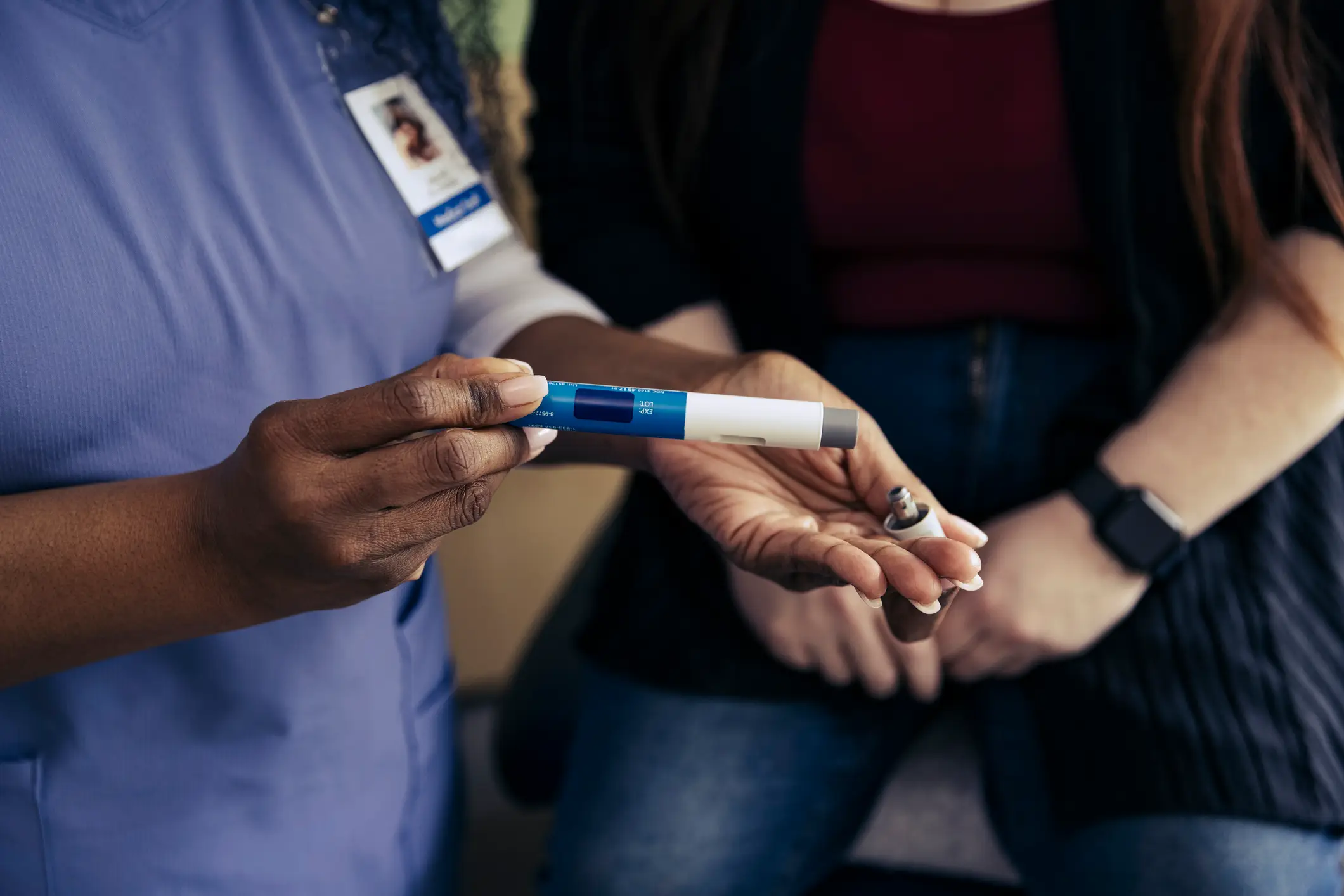
Now, there are growing concerns about how these semaglutide injections can impact our private parts and sex lives.
Speaking on Steven Bartlett's Diary of a CEO podcast, sexual health expert Dr. Rena Malik shared how GLP-1 medications can interact with libido, arousal and sexual function.
On the positive side, the scientist explained the many benefits of taking Ozempic, including 'improvements in metabolic diseases, diabetes, heart disease and overall health.'
Healthier blood vessels mean improved blood flow to the genitals, which can result in 'stronger sexual function and arousal,' Dr. Malik said.
She also addressed the commonly dubbed 'Ozempic penis' in which users reported having a longer penis since taking the drug.
Dr. Malik went on to say that as Ozempic reduces body fat, the fat pad above the penis also reduces in size, making more of the penis visible.
"It's not actually that your penis is getting longer, it's that this fat is going down, so now you're seeing more of your penis," she noted.
However, on the downside, users' libido can take a hit. Ozempic also works on the brain's reward system, the same pathways that regulate desire for dopamine habits like eating food, smoking, drinking alcohol and gambling.
Because sex sits within that same reward system, the drug can dampen the desire for it too, Dr. Malik pointed out.
"Because it works on the same pathways, it could also decrease desire for sex," the sexual health expert suggested.
"There's so many people on these medications, there's so many metabolic benefits that I worry that people may not even realise that their sexual desire is changing."
Dr. Malik added that more data is needed to confirm the link between GLP-1 drugs and libido, but any changes in sexual desire are 'something to be aware of,' as we could 'start seeing more of it.'
"If you start feeling like you have less desire for sex [...], talk to your doctor because maybe your dose is just too high and maybe it just needs to come down a little bit," she advised.