
New study reveals exactly how often you need to ejaculate to ‘build up’ sperm count


New research determining just how often you should ejaculate to 'build' sperm count could have a positive impact on fertility treatment as men have previously been told to abstain from ejaculation in order to ‘build up’ their sperm count.
However, a team of researchers from Oxford University have shared their study which suggests sperm does not actually age well when stored in the male body.
On the contrary, the longer the sperm is stored, the more it starts to show signs of DNA damage.
Speaking to the Guardian, Dr Krish Sanghvi, who is a biologist at the University of Oxford and the lead author on the study, said: “In men, the negative effects we found on sperm DNA damage and oxidative damage were large-ish, so we are confident that this is a biologically meaningful and important effect.”
Advert
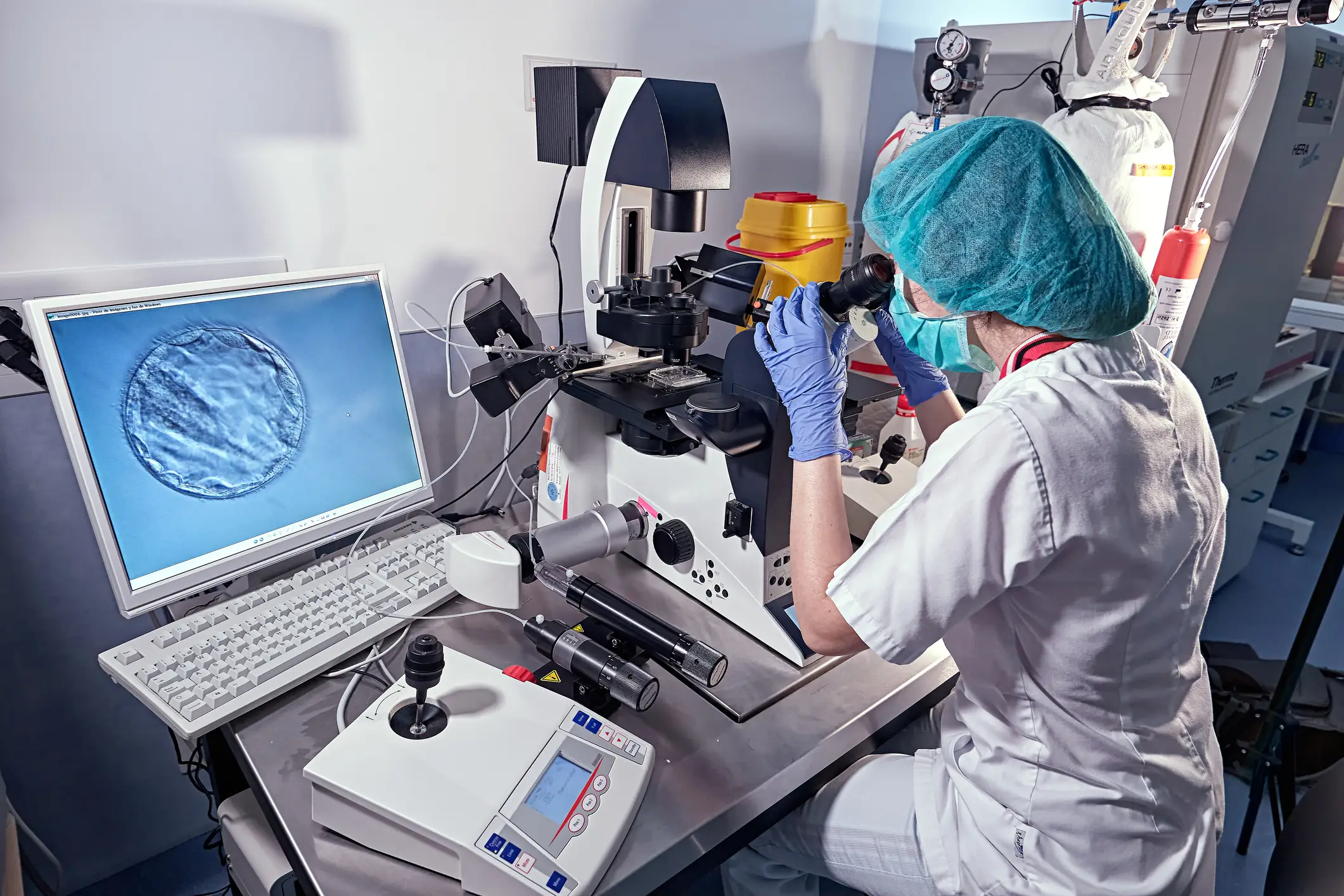
In the study, the team of experts analyzed the data from previous studies which involved almost 55,000 men.
The scientists also looked into animals and found a pattern that showed abstaining leads to DNA damage as well as reduced mobility and poorer viability.
According to the NHS, it is recommended to abstain from ejaculation for two to three days before providing a sperm sample for fertility treatment, although other guidelines suggest up to five days.
This is said to allow for the balance between maximizing sperm count while reducing the risk of DNA damage.
However, this contradicts the findings of the new research, which suggests that only 48 hours would improve the quality of the sperm sample.
Sanghvi went on to say: “All we recommend is that clinicians and couples reconsider whether long abstinence is always good, because abstinence leads to deterioration in sperm quality.

“If sperm quantity is the only thing that matters for a clinic or couple, then sexual abstinence is not necessarily a bad thing, but usually fertilisation success will be determined not only by how many sperm there are but the quality of the sperm too, for example in IVF.”
The expert added: “For couples, our recommendation would be that longer abstinence is not always a good thing, and that a balance between quantity [and] quality needs to be struck.”
Allan Pacey, who is a professor of andrology at the University of Manchester, stated: “There has been growing evidence in recent years that a shorter abstinence time might be beneficial when undergoing assisted reproduction such as IVF. This is because with a short abstinence time the sperm are fresher, more motile and have lower levels of DNA damage.
“The two to seven days abstinence rule is important to stick to for men undergoing semen analysis at the diagnosis stage, as it allows results to be compared over time between laboratories and against international benchmarks. But it isn’t as important when IVF treatment is actually taking place.”