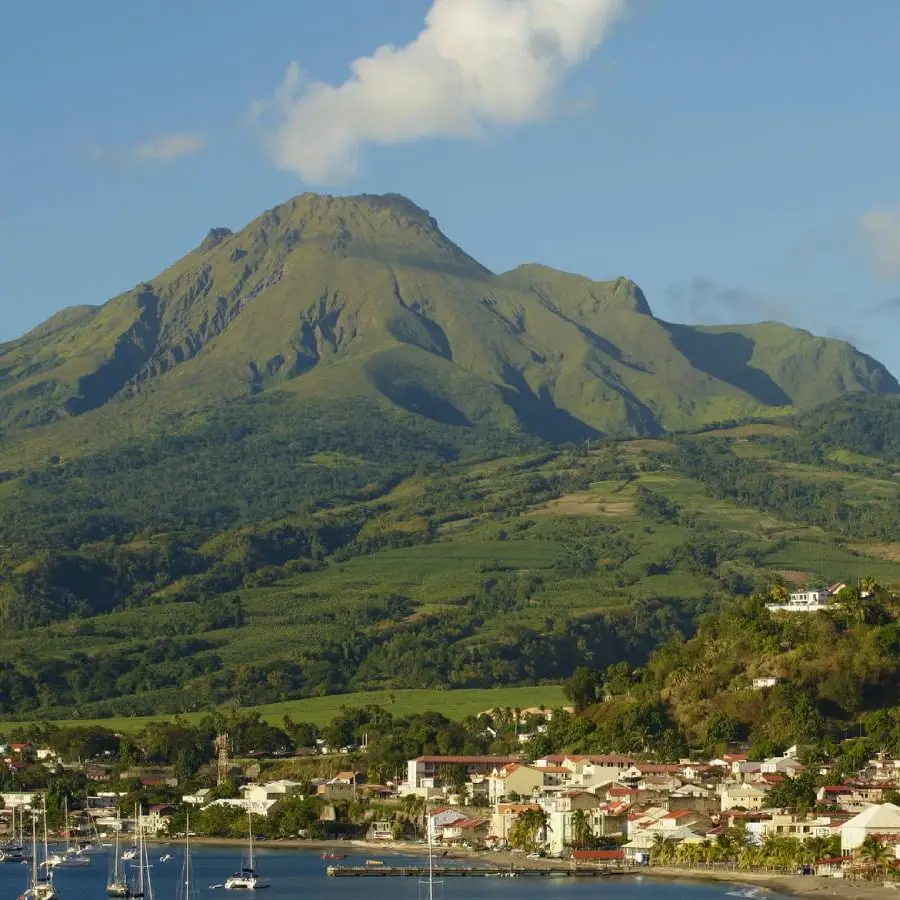
Alert issued after deadly volcano asleep for decades reawakens


A seemingly dozy volcano is in danger of waking from its slumber, raising concerns about the status of Martinique's Mount Pelée after decades of dormancy. In particular, the fact that the volcano's violent past includes one incident where 30,000 people were killed has alarm bells ringing.
There are around 1500 active volcanoes on Earth right now, and although anywhere between 50 and 70 of them erupt every year, most go unnoticed because they happen in remote areas or underwater.
This is highlighted by the colossal Tamu Massif, spanning a whopping 310,000 square kilometers but lying at the bottom of the Pacific Ocean. Of course, history is littered with volcanic horror stories like Pompeii, 1883's Krakatoa claiming over 36,000 lives, and the 1980 eruption of Mount St. Helens being seen around the globe.
Advert
More recently, 2010's Eyjafjallajökull eruption grounded flights, while the southwestern side of Anak Krakatoa collapsing onto its caldera triggered the devastating 2018 Sunda Strait tsunami.
Mother Nature has a terrifying way of reminding us she's in charge, with Mount Pelée previously showing its might.
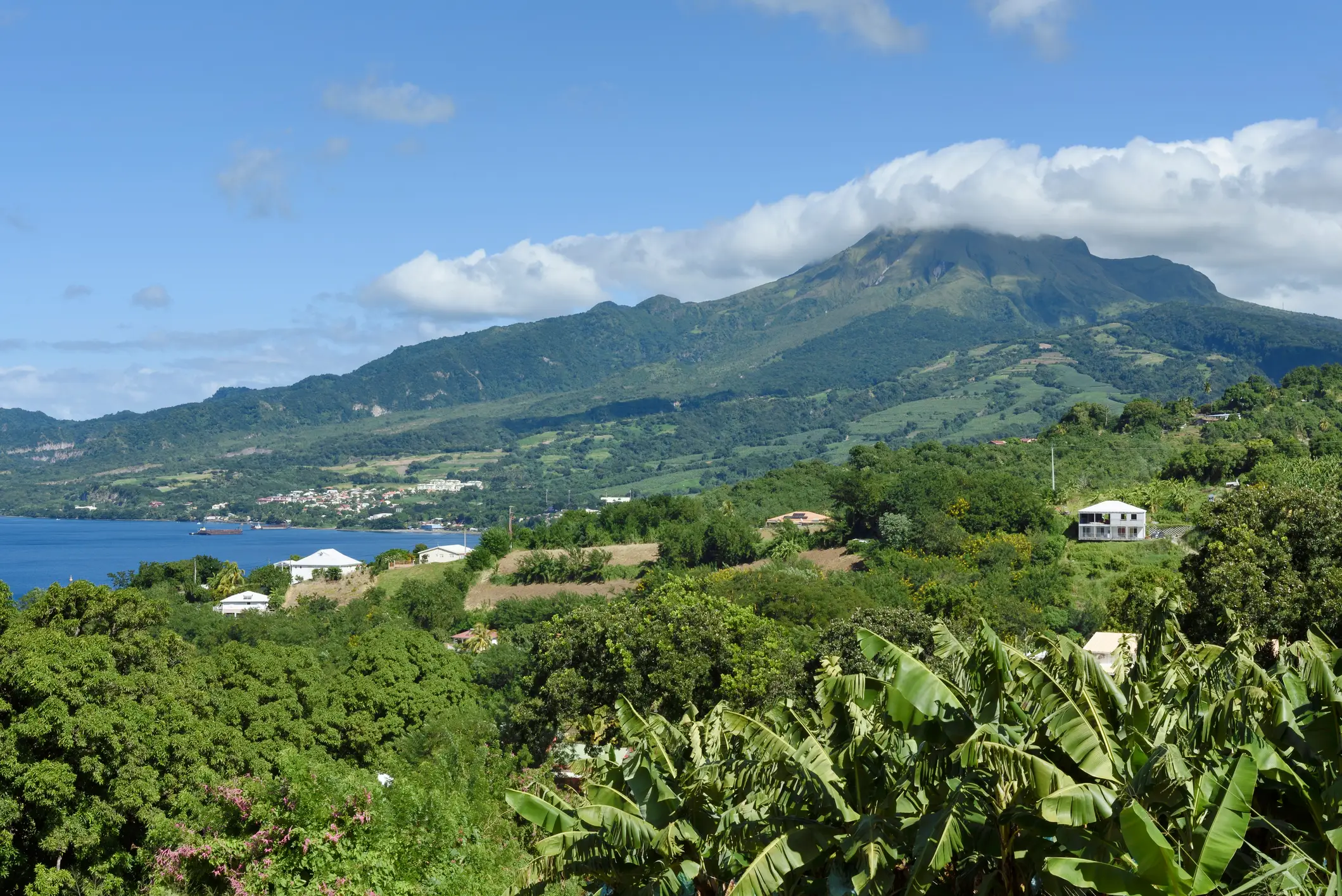
A fresh warning from the Martinique Volcanological and Seismological Observatory has noted a spike in Mount Pelée's activity. The observatory confirmed that the dormant volcano has been hit by 124 earthquakes between July 24 and July 31. Earthquakes are nothing unusual when it comes to dormant volcanoes, but considering Mount Pelée has been relatively quiet since 1932, and the latest recordings are three times more than the week prior, scientists are keeping an eye on the fiery foe.
It's important to remember that seismic activity alone doesn't mean an eruption is on the way, although earthquakes often occur when rising magma and pressurized fluids are forced against a fracture in solid rock.
Although none of the 331 volcanic earthquakes being recorded in July 2026 (averaging 85 per week) were above a magnitude 1 or were strong enough to be felt by nearby residents, experts are taking note.
Alongside the earthquakes, the Martinique observatory has noticed ground movement at the summit. Experts have put this down to a deformation around 0.6 miles below the summit, which has caused it to inflate from within. However, with the numbers slowing over the past four weeks, it's a hopeful sign that pressure is easing.
Looking at what all of this means for Mount Pelée, the Martinique Observatory has reiterated: "The probability of eruptive activity in the short term remains low. However, considering the observations accumulated over the past months and years, an evolution of the situation in the medium term (weeks to months) cannot be excluded."
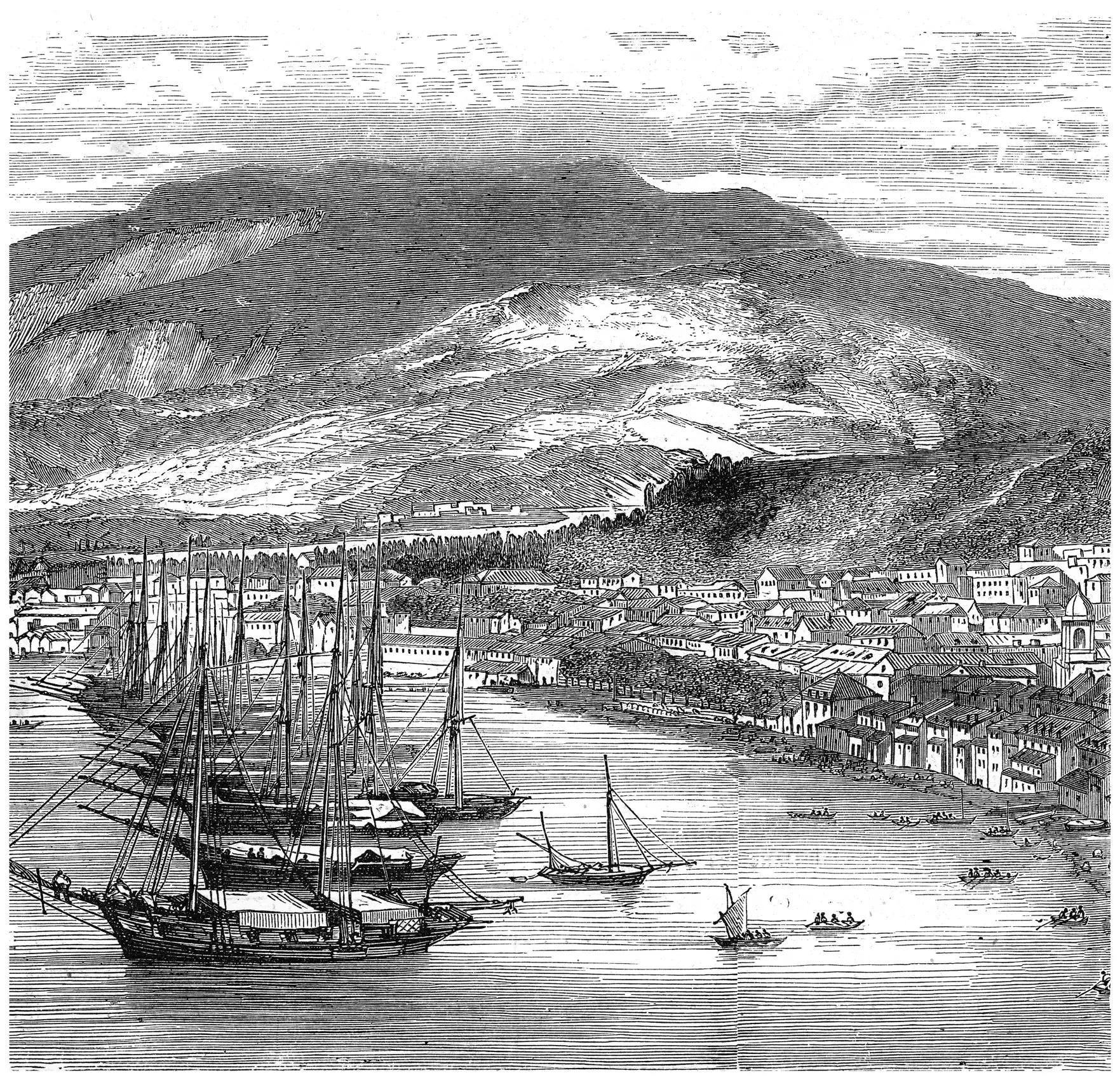
As mentioned above, Mount Pelée's deadliest incident killed 30,000 people back in 1902. The stratovolcano's eruption completely wiped out the town of Saint-Pierre in a matter of minutes and left only three survivors. Ludger Sylbaris was being held in a dungeon-like jail cell with poor ventilation, Léon Compère-Léandre lived on the edge of the city but escaped with severe burns, and a young girl called Havivra Da Ifrile fled to a nearby sea cave.
The 1902 eruption is considered the worst volcanic disaster of the 20th century.
For now, Mount Pelée's alert level sits at 'YELLOW', requiring vigilance.