How high-speed trains are kept apart as investigators examine Spain’s deadly collision


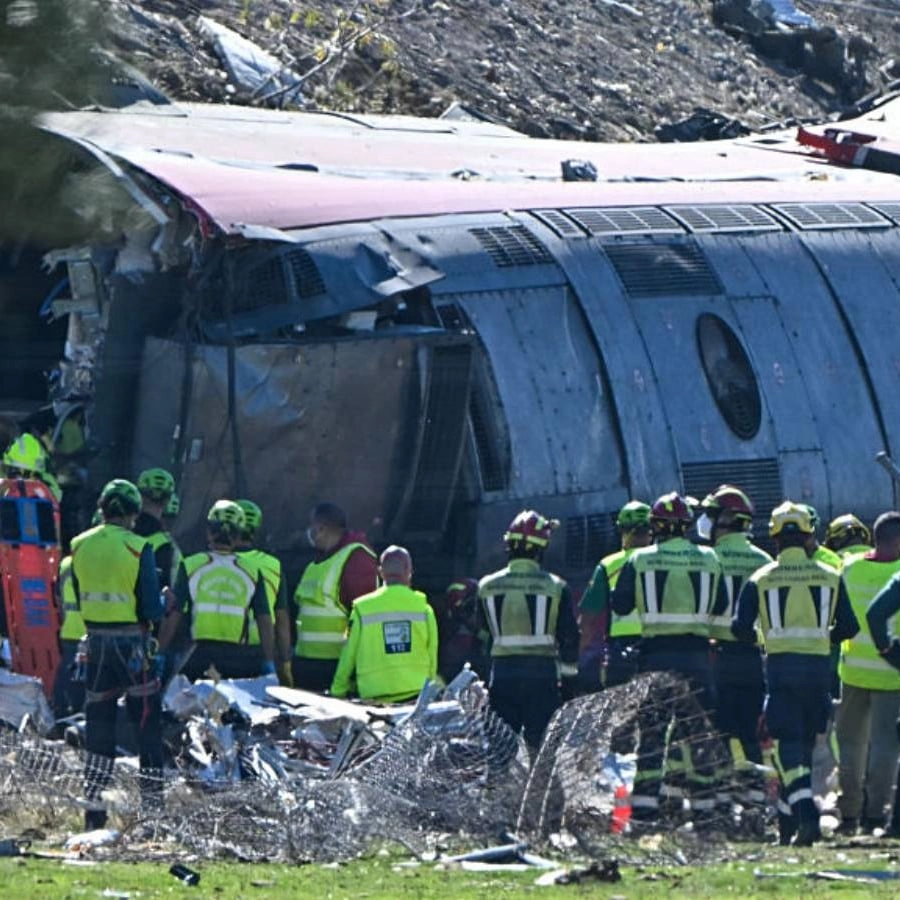
Investigators are looking into a tragic high-speed train collision that has left at least 46 people dead in the Spanish province of Toledo. A government spokesperson for the Castilla-La Mancha region explained how the incident took place just after 9:00 a.m. local time near the town of Urda, with 544 people travelling on the two trains.
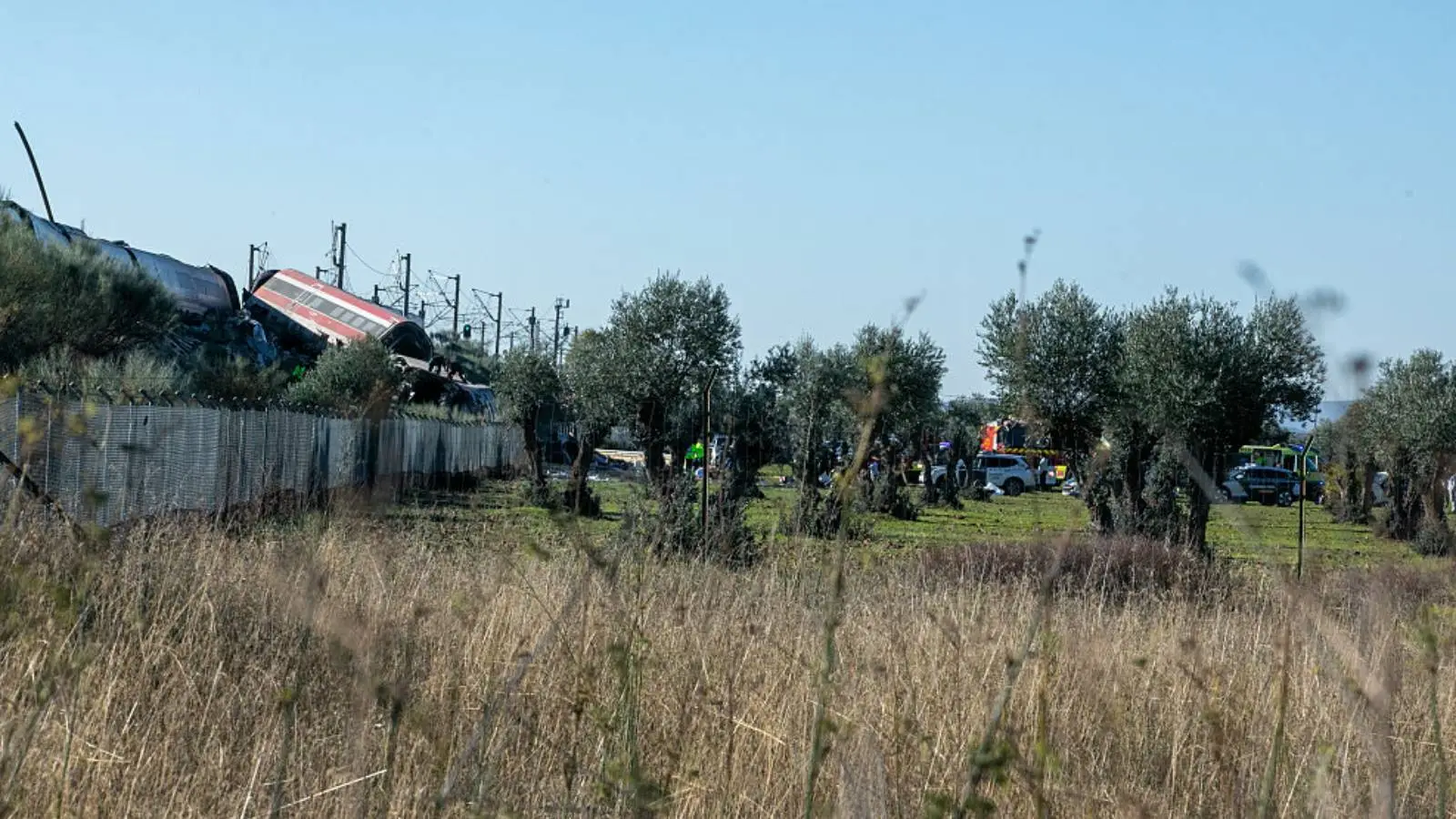
It's said that a state-owned Renfe high-speed train crashed into a stationary private Iryo high-speed train. Both were heading from Madrid to Seville, with dramatic images in the aftermath showing derailed Iryo carriages in a ditch.
Emergency services were quick to attend the scene, while Urda opened a local sports hall to serve as a temporary facility to process survivors and coordinate treatment for the injured.
397 were aboard the Renfe service and 147 on the Iryo train, and while the initial death toll was said to be 10, it has continued to climb.
Advert
Speaking to Spanish outlet El País, survivor Jesus Jeronimo said that "people were thrown from the train," adding: "We thought we had derailed. Then, little by little, we got out and saw that our train was tilted. There were many injured people and a lot of people shaken up.”
With local authorities believing the number of fatalities could rise, it would make the Urda incident one of the worst train accidents in Spain’s modern history.
How are high-speed trains kept apart?
When it comes to the Madrid-Seville line, it's usually operated with high-tech, automated safety tech that controls train intervals to prevent an incident like this.
In a YouTube video from train enthusiast RMTransit, he previously spoke to signalling expert Tyson Moore about how things are supposed to work. Moore explained how signalling allows railways to operate in a safe way by warning trains about speed and whether they're too close to each other.
This can be done via the fixed block method, which separates trains into specific sections and ensures only one is operating in a block at any given time. Fixed block signalling is what most passenger and freight mainline railways use, or alternatively, you can opt for moving block signalling that creates a buffer zone to ensure trains don't get too close to each other.
Moving block signalling is apparently what most high-capacity metro lines use.
Moore revealed that many systems will have train protection that will stop a vehicle if it's going too fast.
Trains have come a long way since railway policemen kept them apart via stopwatches and flags in the 1830s, but with this, there are concerns about an overreliance on modern tech and what happens if it goes wrong.
Rail Engineer reports that while there's increased demand to transport more passengers and freight, the idea of constructing new tracks is expensive and unpopular.
On high-speed lines, trains have to run several kilometers apart to make sure they can stop in time. Sadly, this doesn't always work in incidents of technology failure or human error.
There's increased research looking at autonomous road vehicles and whether this could be applied to trains, but as you can imagine, there's plenty of controversy surrounding the topic.
What happened during the Urda train crash?
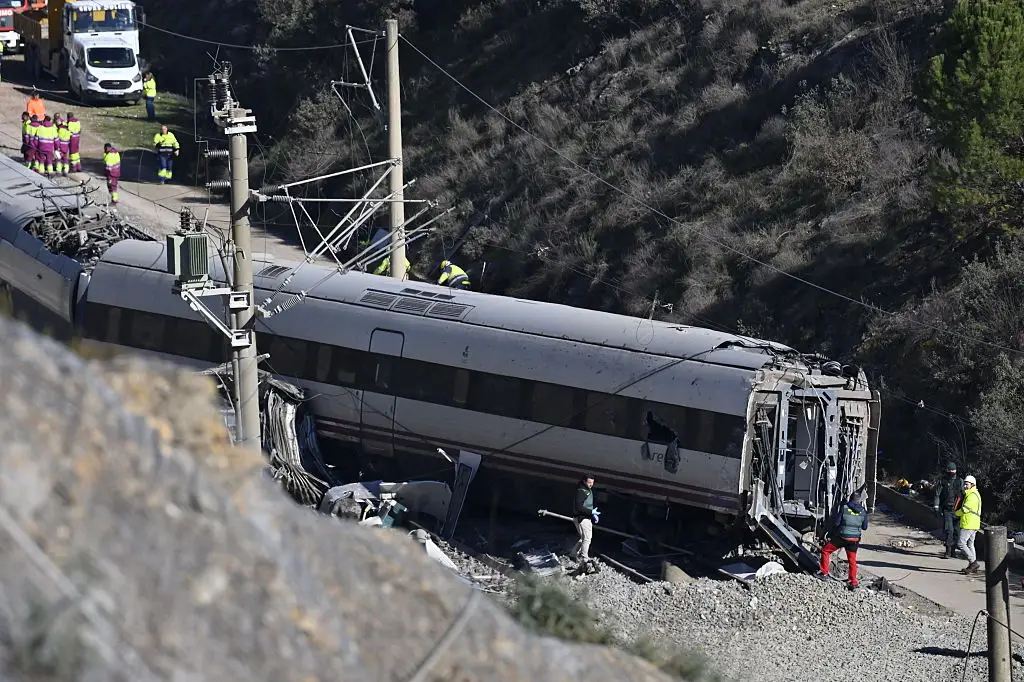
Following the Urda crash, railway infrastructure operator ADIF suspended high-speed rail services between Madrid and Andalusia, with the Civil Guard dispatching a specialist disaster investigation team to the scene.
According to El País, the initial hypothesis points to 'human error by an ADIF operator during a failure of the main signaling system." Government sources say that while the safety system is automated, it switches to manual operation when it fails.
The outlet maintains that Spain's LZB safety system malfunctioned on Wednesday morning and caused around eight trains to stop in the area.
The control center supposedly switched to manual operation and told all trains to resume their journeys as planned.
For reasons that are still unclear, it's said the Iryo train remained stationary, with human error being blamed.
A tragic chain reaction reportedly led to a controller at the Atocha station ordering the Renfe train to proceed, leading to the resulting crash.
As investigations continue, we're reminded that this is the second major crash to shock Spain this year. In January 2026, a collision in Adamuz led to 46 deaths and 292 injuries, the country's most serious incident since 2013.
At the core of both these accidents are questions about the safety standards and management of Spain's high-speed rail network.