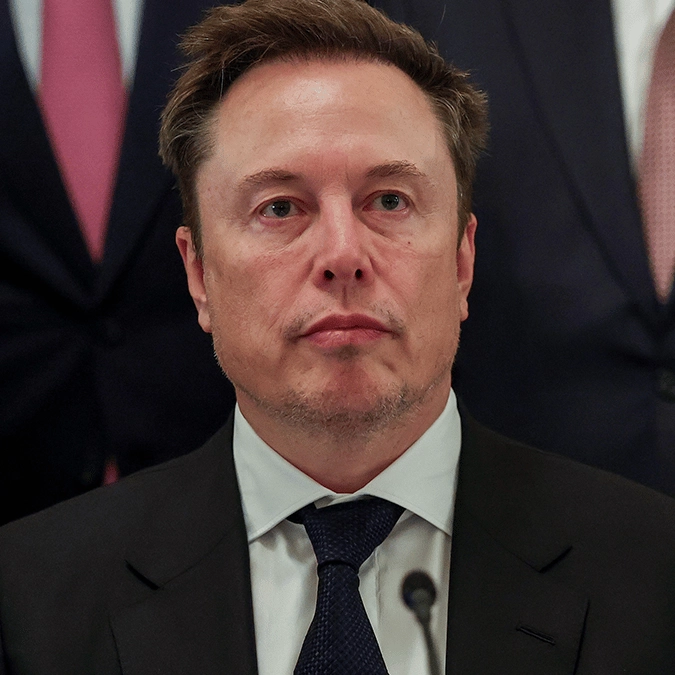
Flagship feature of Musk's new 'flying car' poses massive risk to pedestrians


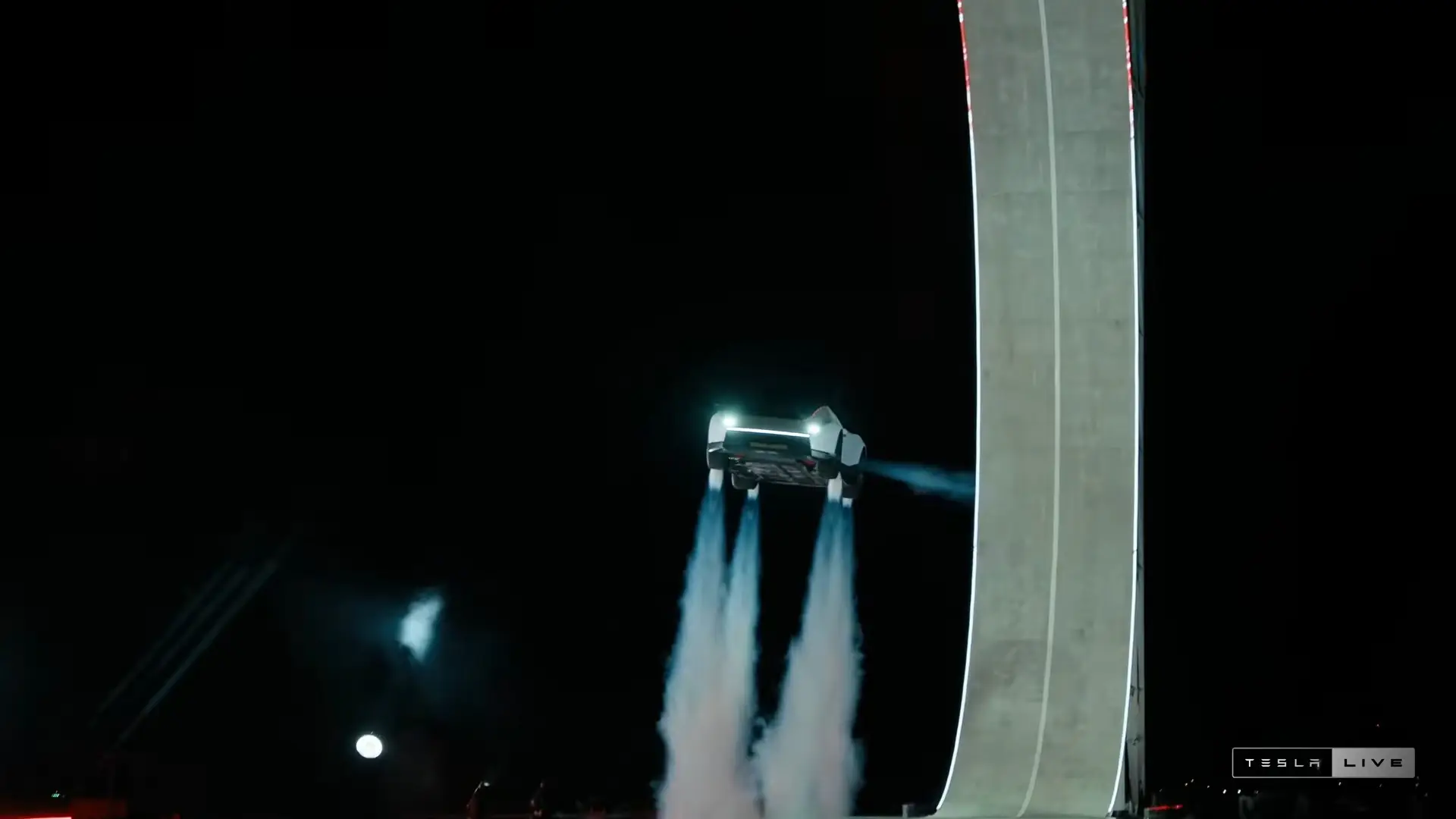
Many were left with their mouth agape when Tesla's latest even showed off what can only be described as a 'flying car', with the Tesla Roadster capable of doing mid-air flips, barrel rolls, and even driving upside down.
Whether this is actually practical in real life or will ever be road safe is another question, but what immediately occupied the minds of many was the safety of a vehicle that relies so heavily on a heavily pressurized container.
Most people might have thought of flying cars as like those you might see in a science fiction or futuristic film that simply float into the air, but in reality it requires a lot of pressure to propel the vehicle off of the ground or in a direction that gravity otherwise would deem to be impossible.
People worry that the Tesla Roadster will lead to deaths
While it might look impressive in practice in a demonstration, the prospect of these flying cars being let out into the wild is something that many are understandably not too happy with — and it's even got little to do with the threat that vehicles soaring through the air would cause.
Sharing their concerns on X, one user declared in a now-viral post: "Glad to see Tesla is still innovating; now the greatest hazard to pedestrians isn't pickup trucks, it's getting your skin blown clean off your body by 400 bar nitrogen."
Advert
This sentiment was echoed by another popular post, with a user somewhat flippantly asking Grok what would happen if you crashed a car "with a tank of nitrogen pressurized to 700 bar right behind your seats?"
Grok gave a predictably concerning response, outlining that "in a severe crash that ruptures it, the sudden release produces a powerful blast wave plus high-velocity composite fragments that can lethally injure occupants within a few meters."
It's generally accepted that nitrogen exceeding 300 bar – equating to around 4,350 psi – is considered dangerous for industrial equipment, and while it's unclear exactly what pressure the Tesla Roadster requires to 'fly' and perform tricks in the air, it's likely to be higher than this recommended limit.
How does the Tesla Roadster fly?
The mechanics behind Tesla's miraculous achievement are obviously incredibly complex, yet at the heart is what's known as a composite-overwrapped pressure vessel, or COPV for short.
As per MotorTrend, this is connected to two pipes that are in turn feeding four nozzles, providing the car with powerful cold gas thrusters (CGT) that propel the car up into the air or around in a circle.
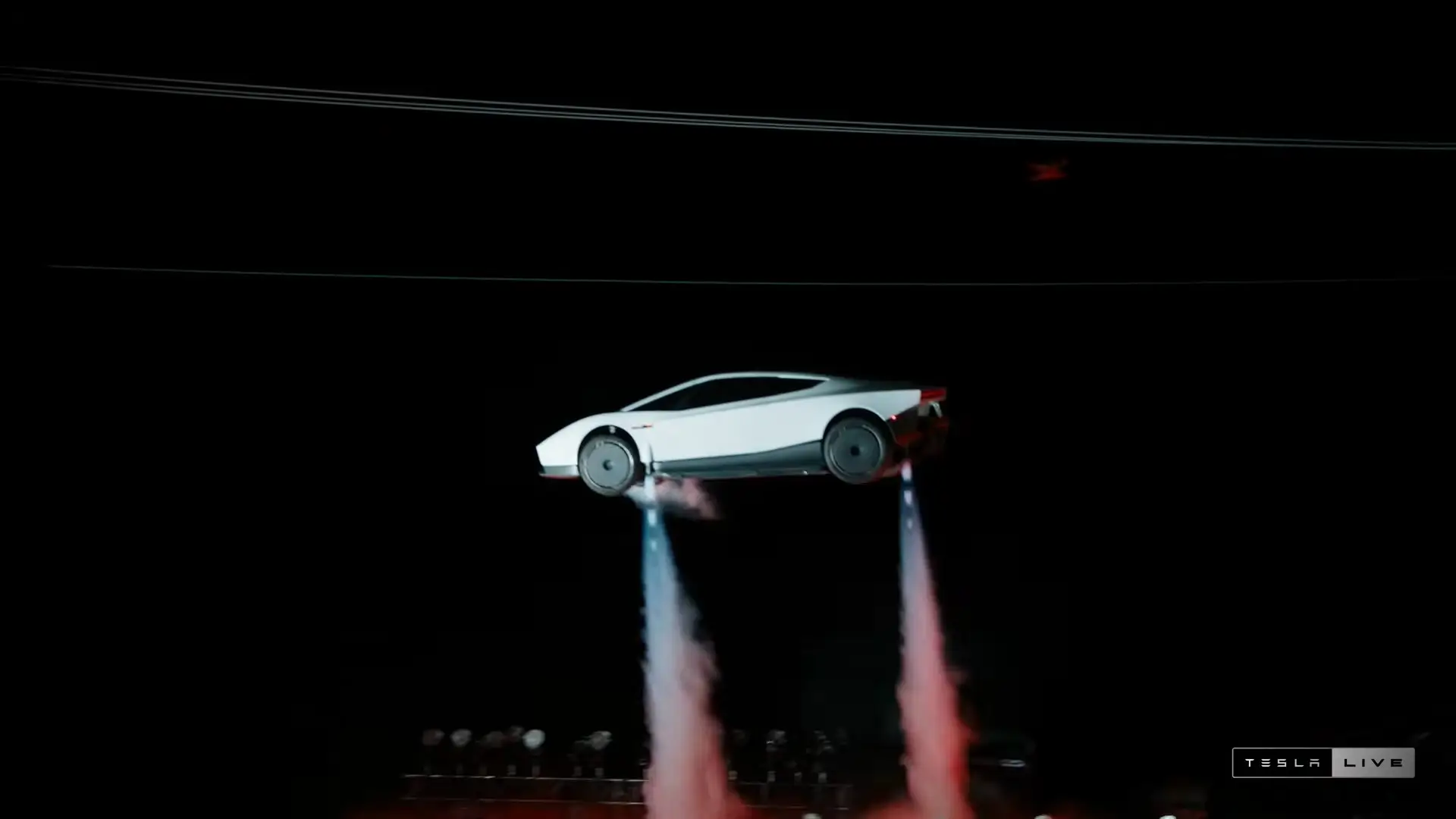
Nitrogen is stored within the COPV at pressures of up to 10,000 psi and potentially volumes of up to 200 literes in similar contexts, and offer similar technology to what you might find in a spacecraft or shuttle — with Elon Musk's work at SpaceX likely informing this creation.
Key to the achievement too is Tesla's acquisition of Hexagon Masterworks, a company that manufacturers COPVs, which allows the company to create its own models internally instead of relying on outside operations.