Students detained by armed police over Doritos bag take legal action against AI company


A group of teenagers is suing an AI-focused company amid claims that its technology mistook a bag of potato chips for a gun and led to them being accosted by local authorities.
The group of four Black students and former students are taking Baltimore County to task after they were allegedly left fearing for their lives during the October 2025 incident involving an AI security system.
Allen, et al. v. Omnilert, et al., sees the Lawyers’ Committee for Civil Rights Under Law representing the four teenagers, named Taki Allen, Yui-Osa Ogbeide, Devon Thompson Jr., and Keith Winfield III.
In a November 17 release, the Lawyers' Committee explains how it has filed action against Omnilert, LLC, Baltimore County Public Schools (BCPS) and personnel, the Baltimore County Police Department, and individual officers. This is for the "unlawful detention and search of the students due to both technological and human errors involving an AI weapon-detection surveillance system."
Advert
We're told that Baltimore County Public Schools use the Omnilert Gun Detect system to keep students safe, but during an incident at Kenwood High School, one of the teens' bags of Doritos was mistaken for a firearm.
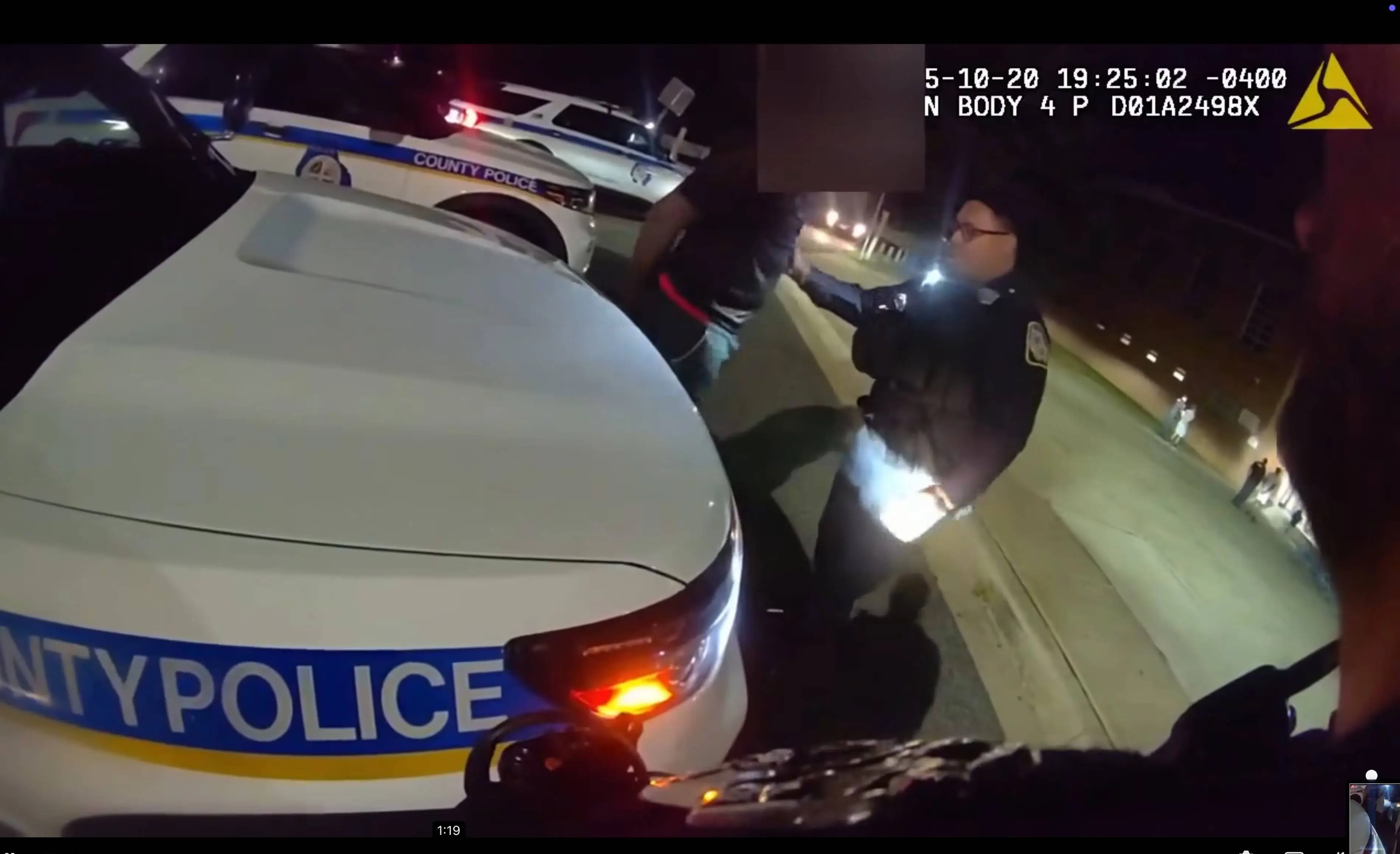
Armed officers from Baltimore County police supposedly swarmed the campus, ordered the four students to their knees, handcuffed and searched one of them, despite doing nothing wrong.
Body cam footage seen by CBS News shows officers searching one student and realizing it was little more than a bag of chips.
With no weapon found, the Department of School Safety and Security canceled the alert, although the boys were apparently left traumatized by the whole ordeal.
The Lawyers’ Committee for Civil Rights Under Law argues that the AI surveillance system set off a false alarm, which, combined with "a chain of human failures," led to "everyone from Omnilert’s own staff and the school principal to the Baltimore County Police Department all missing or ignoring clear evidence there was no gun."
The organization says that school officials knew the security system produced false positives, and despite the alert being cancelled, armed police were still dispatched because there's a lack of protocols to prevent cancelled alerts from triggering an armed response.
The whole situation has been called out by Damon Hewitt, president and executive director of the Lawyers’ Committee for Civil Rights Under Law: "These students were failed not only by a technology that is prone to false alerts, but also by the very adults meant to keep them safe when we send them to school. Instead of this protection, they were met with guns and traumatized. And it could have been even worse."
Hewitt blames an "overreliance on artificial intelligence technology mixed with inept communication and coordination among key officials," branding it a 'toxic' mix. He concluded: "We need a reckoning on how AI is being used, especially concerning public safety and kids. We are fighting to deliver justice in this case, but it also holds lessons for educators and police officials across the country who should think twice before putting our children’s fate in the hands of AI.”
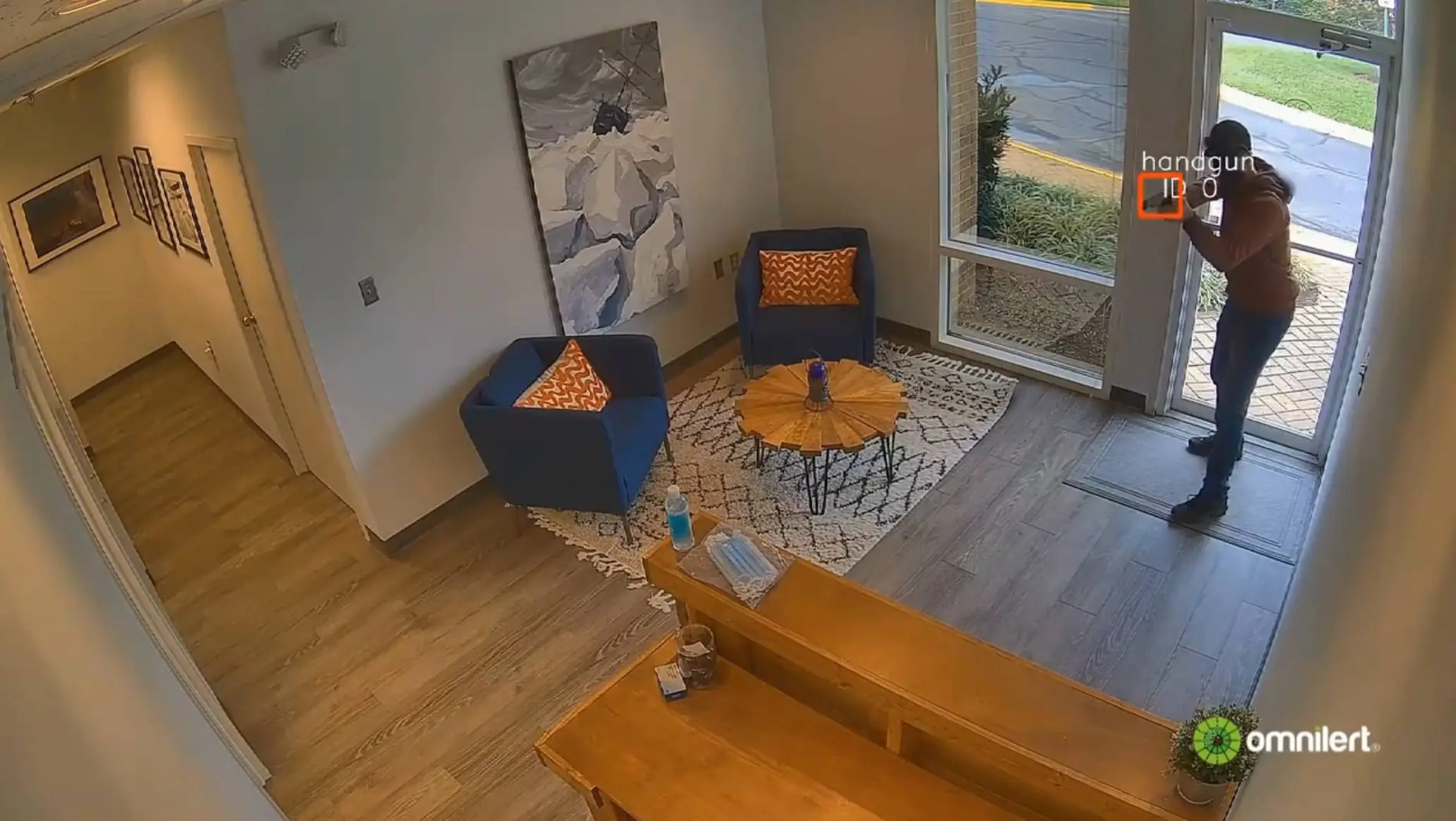
A spokesperson for Omnilert issued the following statement to UNILADTech: "What these four students went through on October 20, 2025 should not have happened, and we are truly sorry for the fear they and their families experienced. We understand why they want answers."
Saying that the system is built to detect anything that could be a firearm and flag it to trained humans to review "because missing a real gun is the worst possible outcome," the company maintains that Baltimore County Public Schools' designated safety staff reviewed the alert and canceled it within about two minutes.
Omnilert added: "That is exactly why human review matters, and why a canceled alert must stay canceled. Maryland’s Inspector General for Education investigated and found no bias in our system.
“We are reviewing the complaint and will respond in court. Every student deserves to be safe at school and treated with dignity there, and we work every day toward both."
The system was also defended by then-Superintendent Myriam Rodgers, telling CBS: "The program did what it was supposed to do, which was signal an alert and for humans to take a look to find out if there was cause for concern in that moment."
UNILADTech has reached out to the Lawyers’ Committee for Civil Rights Under Law for comment.