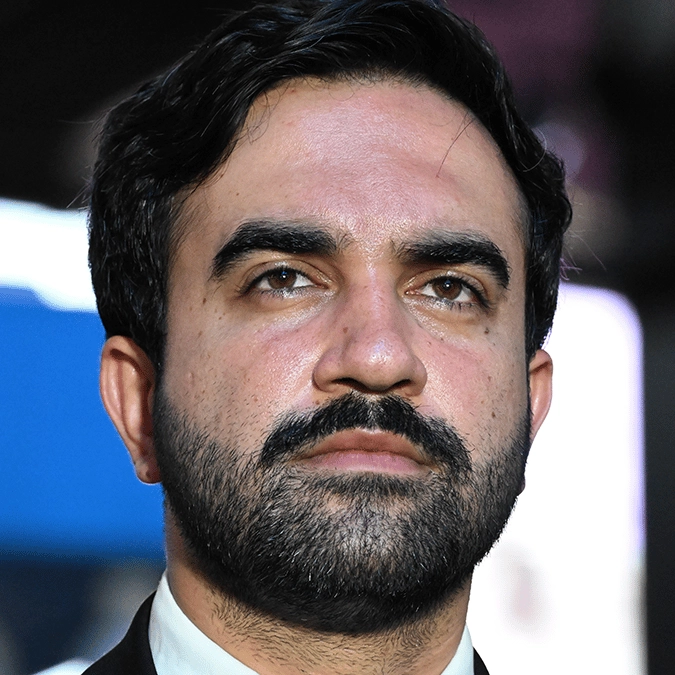
Zohran Mamdani bans AI for over half a million students in New York


Children in New York City have been temporarily banned from using generative AI tools in school for the next year, with Mayor Zohran Mamdani outlining how he opposed certain positions held by the tech industry.
The ban, as reported by ABC News, extends to children from K-2 to eighth grade, preventing them from using any form of generative AI for school work or in the school environment for the foreseeable future.
While the ban is active, the city's public schools will spend the next year "studying the impacts of this technology" before a more permanent decision is made on its place in the classroom, specifically targeting student-facing AI tools and companion chatbots for the time being.
Alongside this, while high school students won't be explicitly banned from using these tools, they will instead be offered twice-yearly 'AI literacy' classes that aim to help them 'think critically' about the rapidly evolving software at a time when its importance only continues to grow.
Advert
This, in the eyes of the school district, will help them understand the benefits and drawbacks of the software before they begin to 'rely' on it, which could be key to their continued development.
Mayor Mamdani outlines opposition to AI in schools
Speaking about the change, Zohran Mamdani declared that "the tech industry wants us to believe that AI-powered early education is not only inevitable, but necessary. We don't see it that way."
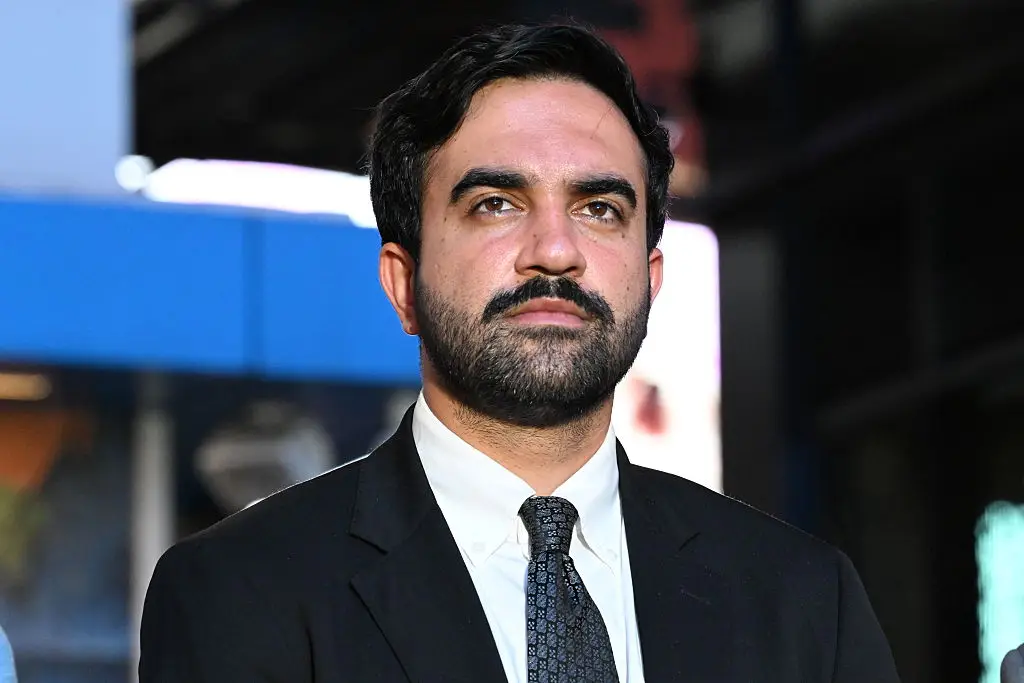
It certainly serves as clear opposition to one of the biggest purported benefits of AI, as while it might not necessarily make teachers redundant – especially in early-age classrooms – those developing the tech believe that it will revolutionize how information is taught.
Among the figures pushing these claims is Bill Gates, who is one of the biggest advocates for integrating AI into both education and healthcare settings as he believes that it will provide vital support, especially in some of the world's more vulnerable locations.
How could this temporary ban help students?
While some teachers have already adopted AI in the last few years, even in some cases encouraging their students to use the software to assist in their learning, key figures in New York believe that it would pose a risk in current classrooms.
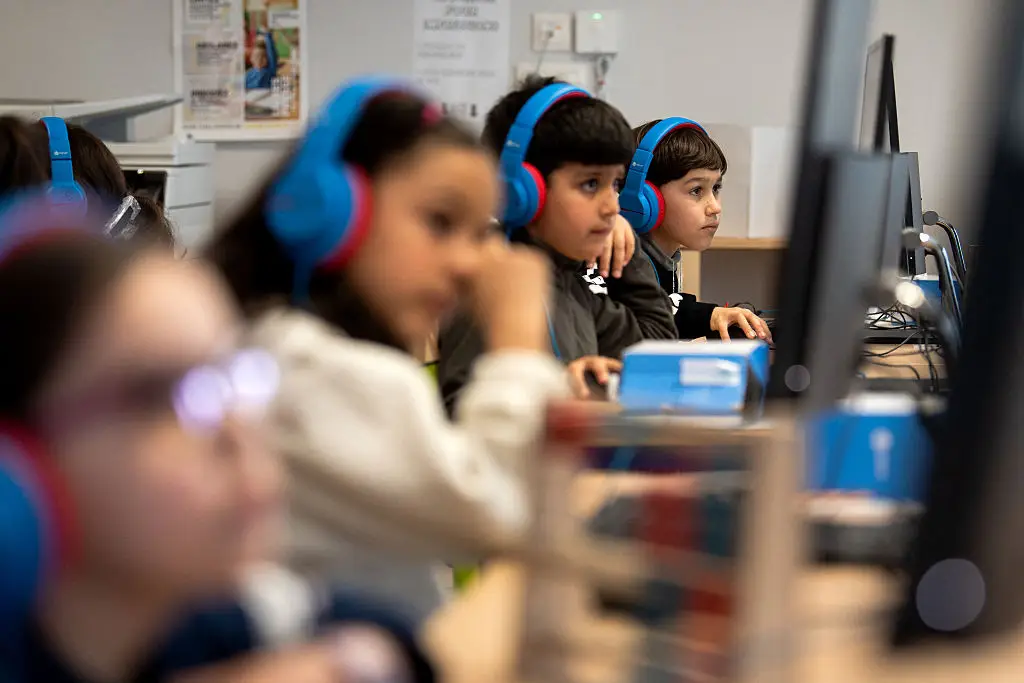
"We're standing firmly in our decision to not conflate innovation with more tech," explained New York City Schools Chancellor Kamar Samuels, "and we're going to lead over the next year with evidence and make sure technology serves learning — not the other way around."
He believes that this temporary pause – that could also be extended into a more permanent ban – helps restore critical thinking skills in students that would otherwise defer their methods to AI software that can't necessarily always be relied on.