Police raid offices of vaccine researchers working on trial that would leave 7,000 newborns at risk


A team of controversial vaccine researchers have been raided by police at their offices in Guinea-Bissau, where they seized a batch of hepatitis B vaccines intended for children in the country.
In a translated statement published to Facebook, the local police wrote: “The intervention, conducted by investigators from the Judicial Police, falls within the scope of investigative procedures aimed at clarifying the circumstances related to the said batch of vaccines.
“During the search, the investigators proceeded to identify and seize the material, which will be subject to the applicable legal procedures, given the investigation of the facts and any possible responsibilities.”
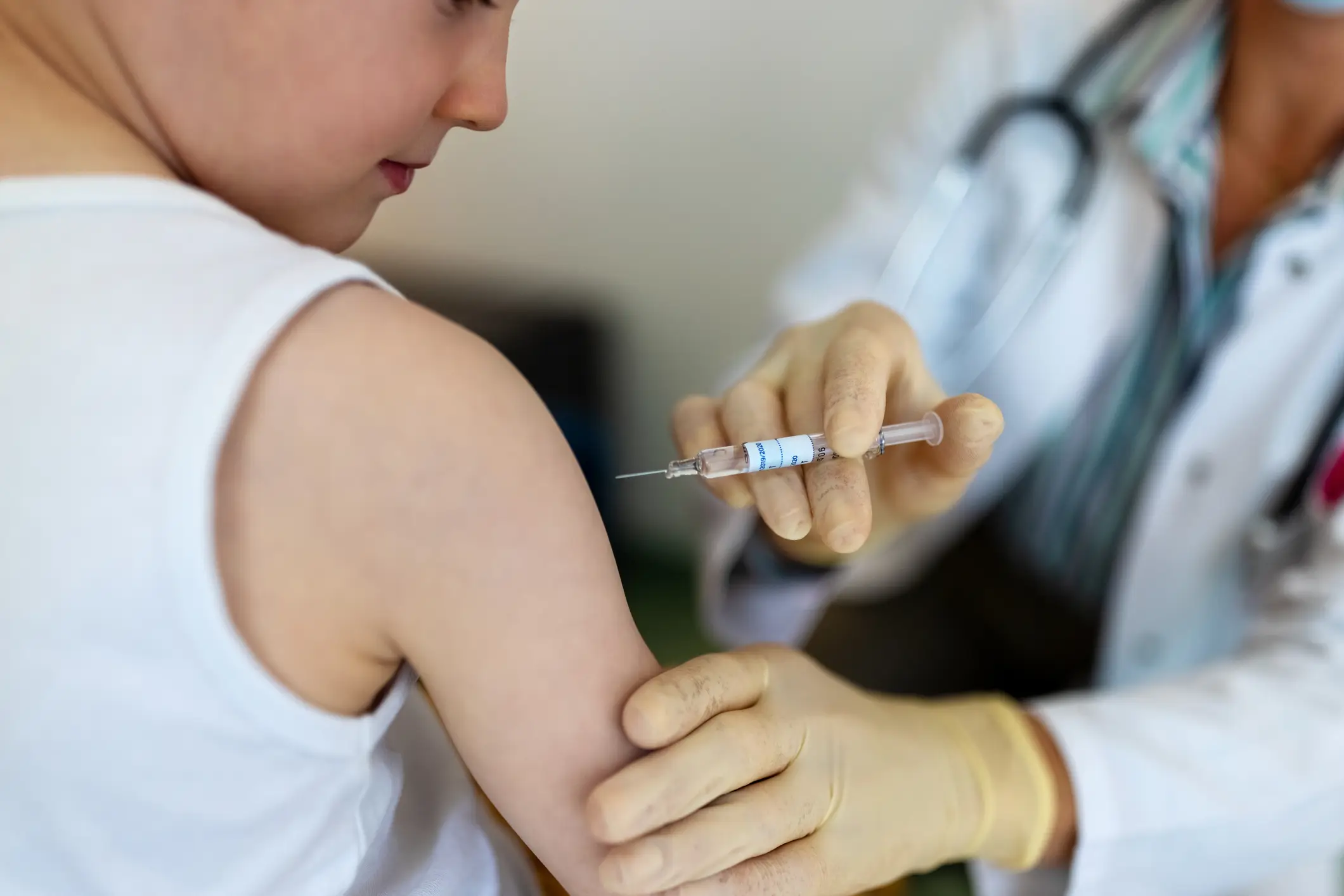
Vaccines intended for children were seized by police
The post goes on to say: “Since these products are intended for immunization of children, the Judicial Police recognizes the particular sensitivity of the matter and the importance of ensuring that any investigative procedures are carried out with the necessary rigor, safeguarding the public interest and the protection of children's health.
Advert
“The PJ clarifies that the seizure constitutes an investigative procedure and does not allow, in itself, to conclude the existence of irregularities in the quality, safety, or effectiveness of the vaccines.
“The investigations continue, with the aim of fully clarifying the facts, without prejudice to the respect for the secrecy of justice and other legally established guarantees.”
The Bandim Health Project had recently shared proof of a letter of approval for the trial to go ahead. This was addressed from the Guinea-Bissau national ethics committee at the ministry of public health.
Despite the study being revised over the summer, it would still leave 7,000 newborns without access to the hepatitis B vaccine during their first six weeks of life. This is particularly concerning in a country where around one in five adults lives with the virus.

Chronic hepatitis B can lead to liver failure and cancer, killing between 15% and 25% of those infected. Newborns are especially vulnerable, but receiving the vaccine within 24 hours of birth is considered to be safe and highly effective at preventing infection.
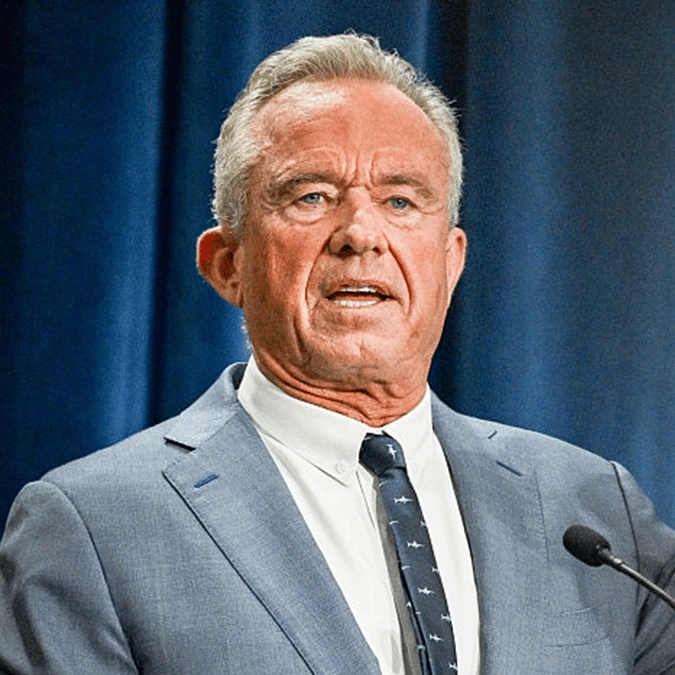
The work of the Bandim Health Project has previously been praised by United States Secretary of Health and Human Services Robert F. Kennedy Jr, who described them as the ‘deities of vaccine research’. This comment was made during his appearance at an anti-vaccine conference.
According to a report by The Guardian, Colette Delawalla, an American health researcher and founder of SUFS, said: “Our investigator encountered significant distrust of Bandim by the citizenry of Guinea-Bissau, however, because of the lack of public health infrastructure, Bandim is often the only option in situations where people are desperate to access medical care of any kind.”