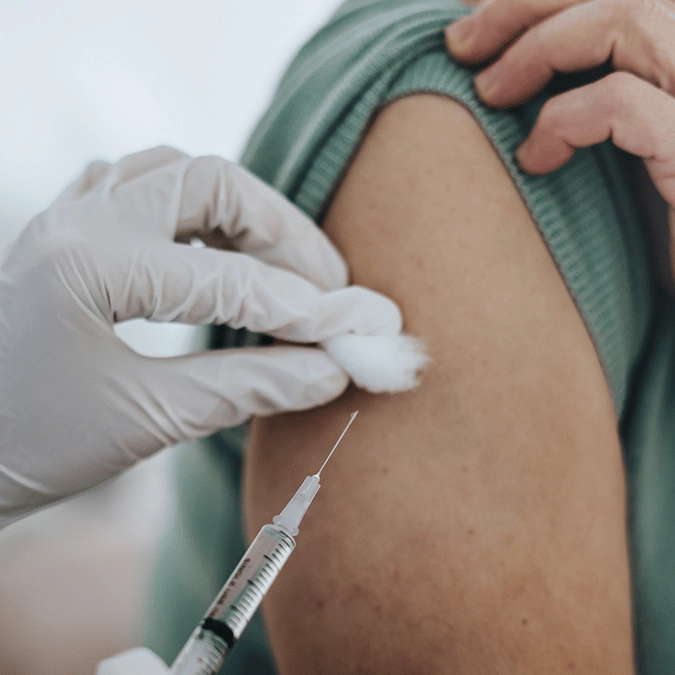
AI designs a universal vaccine that is completely needle-free in stunning world-first


Researchers have managed to use artificial intelligence to develop a groundbreaking new vaccine, as the tech forged a needle-free design that has a 'universal' application, making it useful against a wide variety of viruses and pandemics.
It's the first proper sign of AI's potential within medicine and health care, and the significant breakthrough could provide a pathway to further cures or preventative measures that previously seemed impossible.
Developed by a team of scientists at the University of Cambridge, the core key component of the treatment was designed entirely by AI, and has passed human trials successfully.
While it does treat a huge number of viruses, it doesn't cover everything right now and there are still major threats like the flu and Ebola that continue to elude this particular vaccine.
Advert
The team behind the breakthrough are working on the early stages of an improved vaccine, however, and have suggested that it could prove vital in tackling one of the medical world's biggest challenges.
"We're always behind," explained Professor Jonathan Heeney, when speaking to BBC News. "What we're trying to do is get ahead of the curve," he continued, asserting the importance of a tool like this in conjunction with AI.
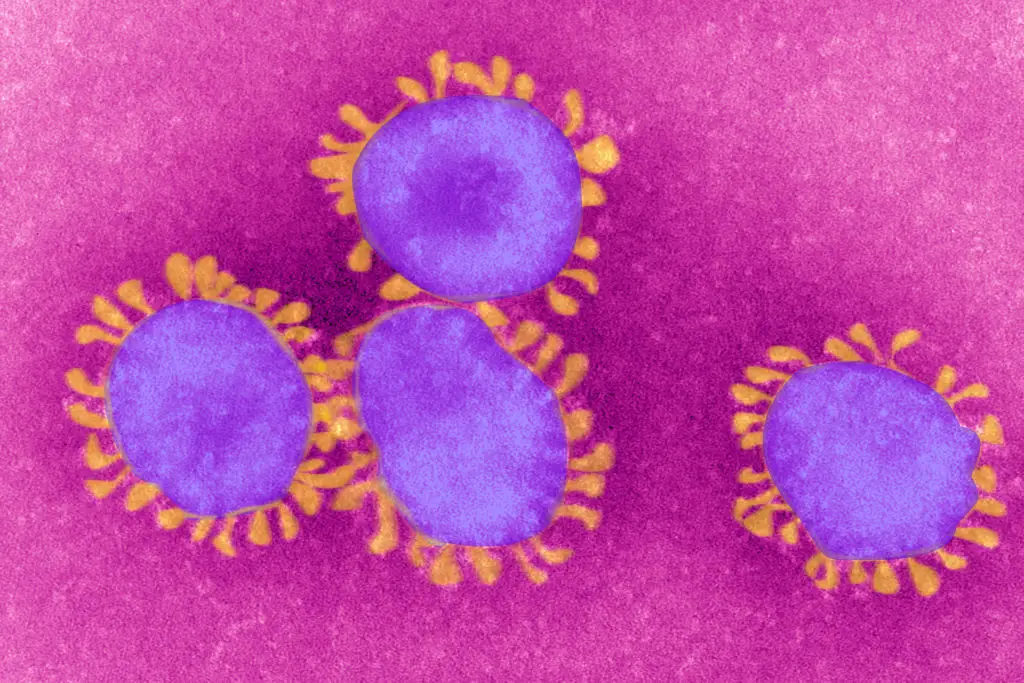
The power of this particular vaccine comes from analysis conducted by the AI software, in which it took the genetic codes of various forms of coronavirus and produced a 'super-antigen' that trains the immune system.
Upon application into the body, this super-antigen protects not only against existing viruses, but also new mutations or infections that might occur, proving to be a much stronger tool than traditional vaccinations.
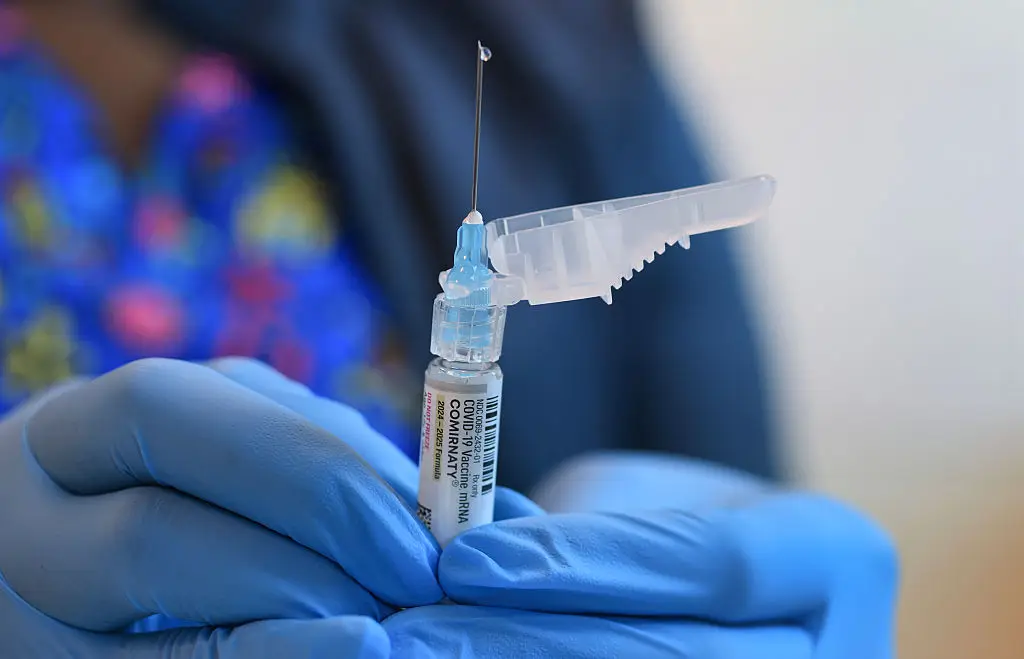
It also does away completely with the needle, which is fantastic news for anyone with trypanophobia. Instead, it employs a high-pressure and hair-thin stream of liquid the implant the super-antigen directly into your skin cells.
"This is about making vaccines that protect us, not just from today's viruses, but protect us from what can cause the next outbreak or disease," Professor Heeney explained.
"This is a fundamental shift in how we prepare for pandemics," he concluded.
While there are justifiable concerns about the dangers that the potency of medical AI tools can create, as in the wrong hands they could potentially lead to the development of dangerous bioweapons, yet for the moment in controlled environments they are showing great potential.
We're only likely seeing the beginning of what AI is capable of in the world of science, and hopefully there are more game-changing discoveries on the way.