Billionaire says you're 'too stupid' to understand AI if you think the bubble is real


The idea of an ‘AI bubble’ has been talked about a lot in recent years, with many anticipating that any second, it might burst.
The bubble itself refers to the huge financial investments that are being poured into the AI industry, with many fearing that this actually outweighs the profitability of the technology.
Some experts are warning that we could soon see a crash similar to that of the dot-com crash in the early 2000s.
However, one billionaire apparently doesn’t believe that the bubble even exists and has said if you do believe it’s real, then you’re ‘too stupid’ to understand AI.
Advert
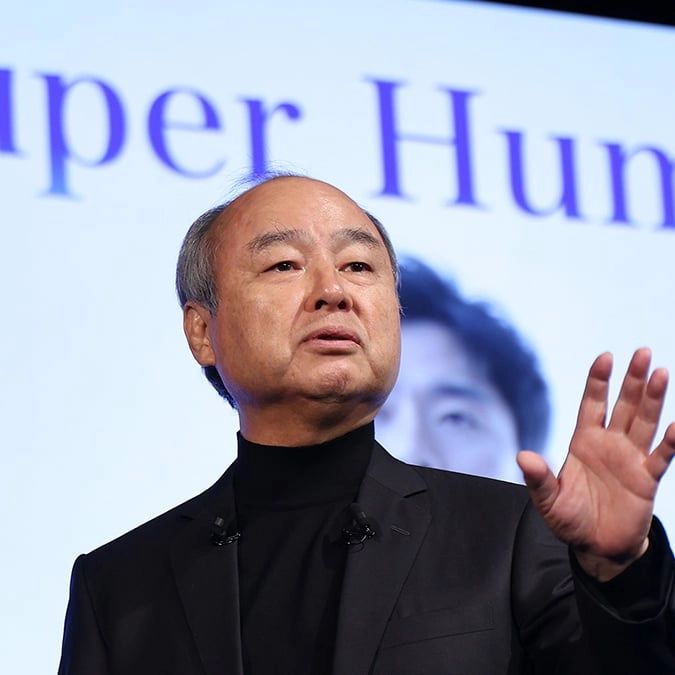
This comes after Masayoshi Son, who is the CEO of SoftBank, addressed attendees at the firm’s annual conference in Tokyo, Japan.
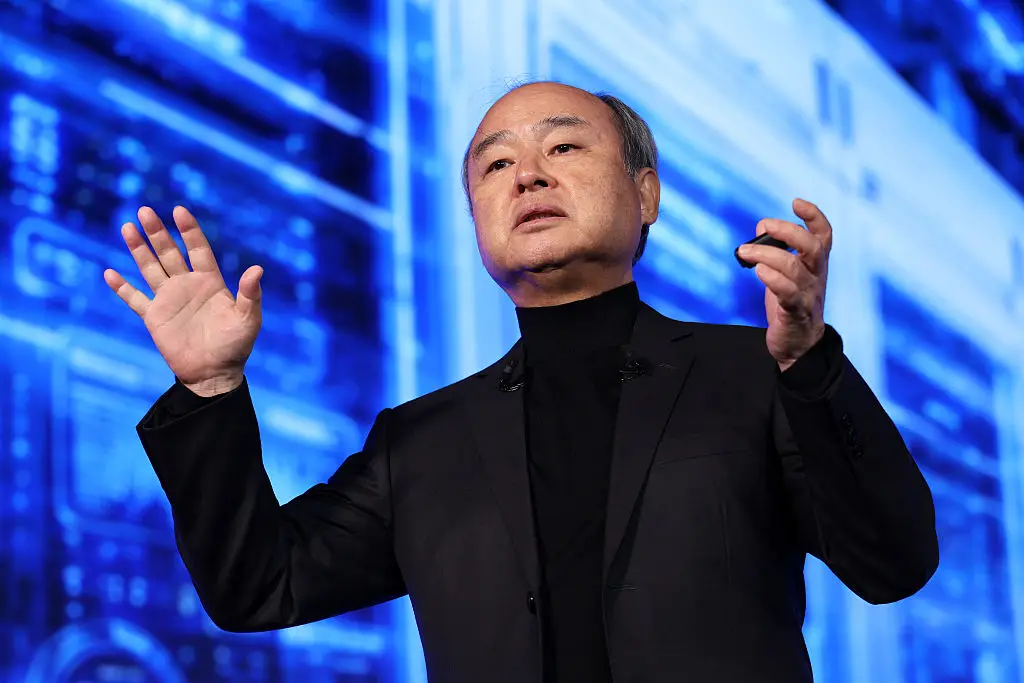
As reported by Reuters, Son said: “Asking if AI is a bubble is absurd. I don’t think people who ask that question know what AI is about.
“Every year $5 trillion, or 800 trillion yen, you might think that’s a lie, but I am confident that’s what it will cost.”
The billionaire went on to claim that it is ‘blasphemy against AI if you say it’s a bubble’, adding that its ‘potential will be unlocked’.
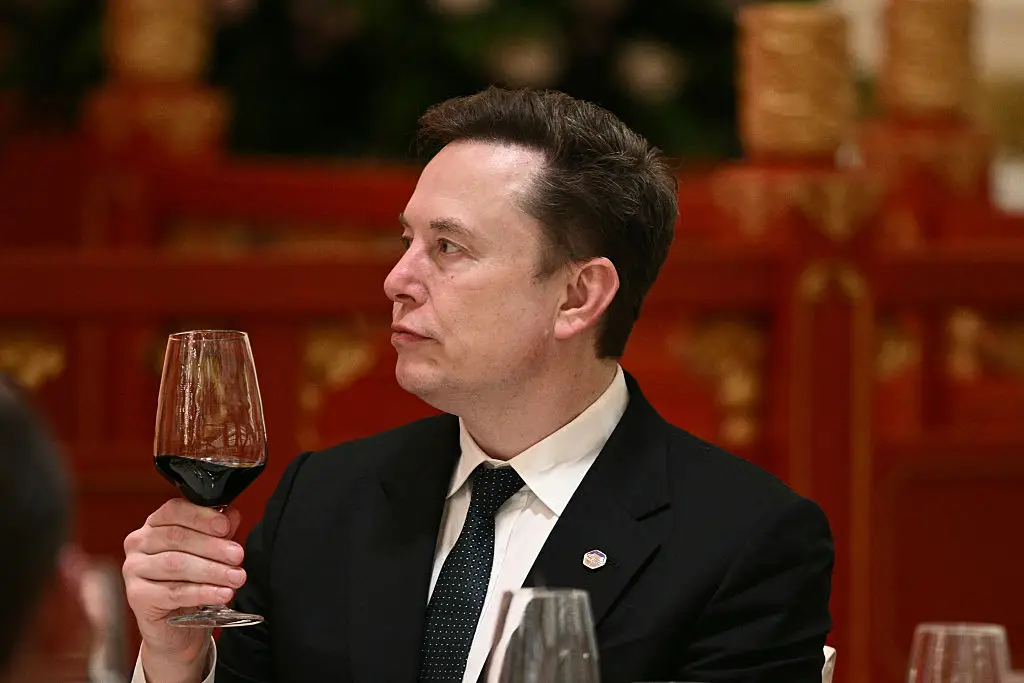
It seems that other tech moguls could be making alternative preparations for the advancement of AI, as Elon Musk was reported to have quietly bought a $1 billion company to support his AI firm xAI.
The billionaire - and briefly trillionaire - has snapped up a fleet of mobile gas and diesel turbines by purchasing APR Energy, as reported by Electrek.
On the APR Energy website, it states how the firm delivers ‘both interim and permanent power, behind-the-meter or grid-connected, with end-to-end ownership covering design, procurement, permitting, interconnection, construction, commissioning, and O&M’.
According to reports, this fleet, which has the capacity to generate over 1 GW of power, could be the answer to keeping Musk’s xAI firm in business.
The acquisition has led to much speculation that this could be a strategic move on Musk’s part in order to keep his AI company running.
This comes as the AI industry faces increasing issues with powering their artificially intelligent models.
As the industry grows, so does its demand for power, and the need for new infrastructure to power new data centers is struggling to keep up.
The building of a data center can take up to two years and the upgrading of the electricity grid can often take much longer.