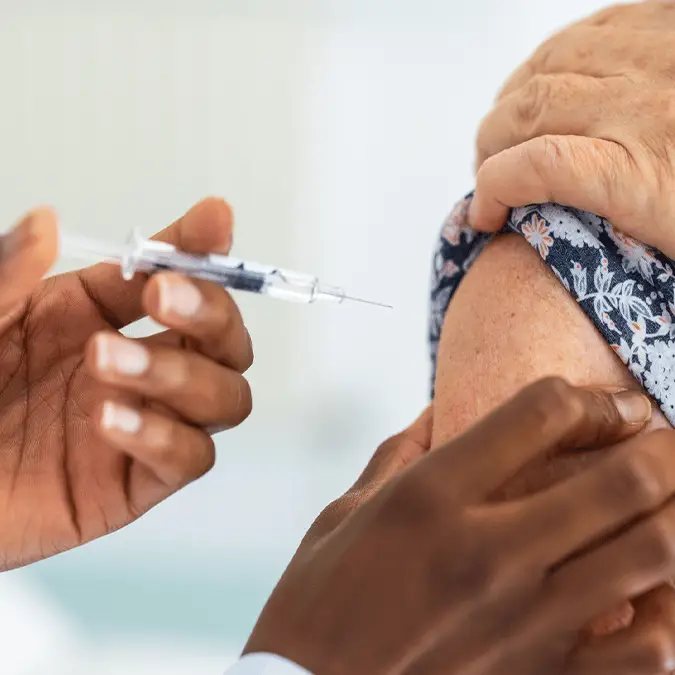
Existing vaccine could slow dementia and slash death risk by whopping 30%

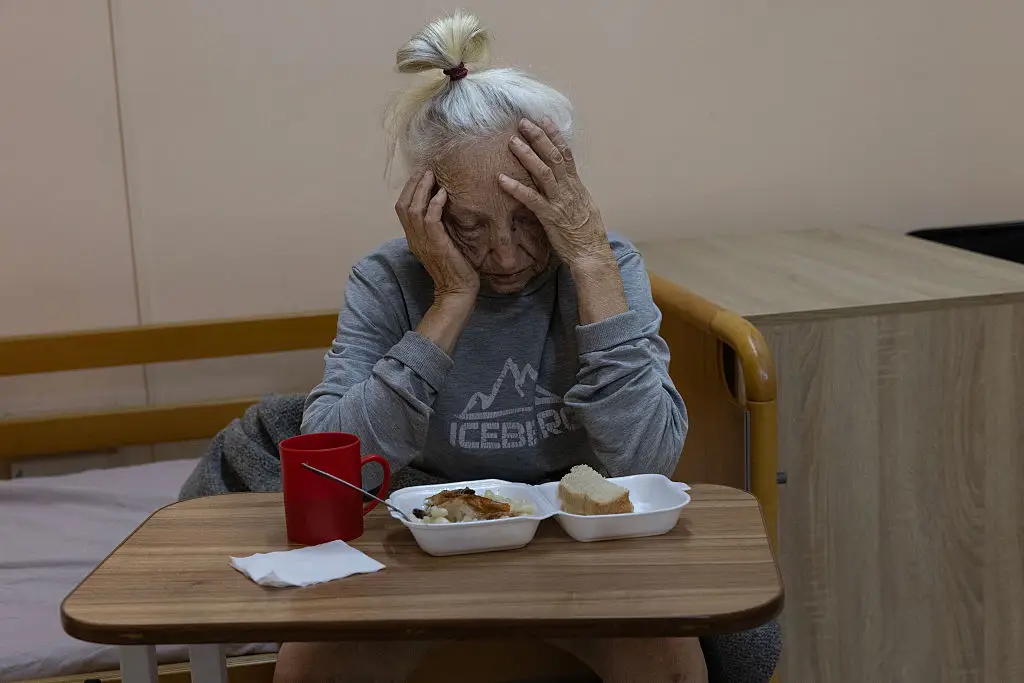
Nearly 10 million new cases of dementia are diagnosed every year, and in the USA, an estimated 5.6 million people are living with some sort of dementia.
Worrying statistics suggest that 42% of Americans over the age of 55 will develop dementia during their lives, while it's blamed for 100,000 deaths of US citizens every year.
With dementia being a major medical cause for concern that only seems to be growing due to an estimated cost of $781 billion a year, any idea of a so-called 'miracle cure' is sure to grab headlines.
Alongside us covering the man who thought he'd been diagnosed with dementia at the age of 41, there was also the recent development that obesity could be increasing your chances of getting dementia.
Advert
Now, ScienceAlert claims that a vaccine already in our hands could be the key to unlocking dementia, with follow-up research to an April report hammering how the idea.
The outlet says that a shingles vaccination program from 2013 has given 'fresh hope' to the idea that there's an effective way to treat dementia.
The two-fold discovery posits that a shingles vaccine that was trialed in Wales can reduce the risk of mild cognitive impairment, while also slowing dementia progression in people who've already been diagnosed.
Back in April, findings published in Nature suggested that common viral infections like shingles could be linked to dementia because the disease seeds the amyloid plaques that are thought to trigger neurodegeneration.
Testing this theory, vaccines protecting people from the likes of chickenpox and shingles could also come with an unexpected benefit of slashing dementia risk.
The latest report continues the hypothesis that stopping viruses like the varicella zoster virus (causing shingles) and others that affect the nervous system can also protect against dementia.
Even though testing these ideas proves challenging, Cardiff University's Haroon Ahmed said: "Because the vaccine is safe, affordable, and already widely available, this finding could have major implications for public health.
"More research is needed to test our work and understand more about the potential protective effect the vaccine offers against dementia, particularly how and why it works."
In 2013, the National Health Service allowed researchers the analyze a randomized clinical trial without running one.
Vaccines were rationed, which meant that those aged 79 could get it, but anyone aged 80 couldn't. This 'quirk' meant the effects of the vaccine could be studied in two very similar groups.
Out of the 14,350 who'd been diagnosed with dementia before the start of the program, around half died due to it within nine years.
Those who'd been vaccinated against shingles were 30% less likely to die from dementia and its complications.
The vaccinated group was also slower or less likely to develop mild cognitive impairment.
This ongoing work has been praised by biomedical scientist Pascal Geldsetzer from Stanford University in the US, who explained: "The most exciting part is that this really suggests the shingles vaccine doesn't have only preventive, delaying benefits for dementia, but also therapeutic potential for those who already have dementia."
It's now a case of figuring out why a shingles vaccine might react this way with dementia, with questions about whether it's the nervous or immune system at play.
Future studies will likely look at a bigger test group across a wider range of ages, but as Geldsetzer concludes: "At least investing a subset of our resources into investigating these pathways could lead to breakthroughs in terms of treatment and prevention."