Research uncovers eating this one food while you have cancer could increase risk of death by 60%


Scientists have identified one particular type of food that you should avoid if you have cancer, as new research discovered that consuming this increases the risk of death by around 60 percent.
There is already a long list of different food and drink that you should either cut down on or avoid entirely if you want to reduce your risk of developing cancer, yet few people are aware of the risks that certain consumables posses when you have actually developed the disease.
While groundbreaking new research is making progress on curing one of the most dangerous forms of cancer, other studies have identified that certain types of food actually increase your risk of death, warning people to avoid them at all costs.
A new study, published in the Cancer Epidemiology, Biomarkers & Prevention journal, has suggested that the high consumption of ultraprocessed foods is linked to increased cancer-related mortality rates, noting:
Advert
"Cancer survivors who consumed higher amounts of ultraprocessed foods as part of their diet had a significantly increased risk of both all-cause and cancer-specific death."
If you're unaware, ultraprocessed foods – often referred to as 'UPFs' – are items that have been industrially manufactured and changed dramatically from their original form, with the NOVA classification being "formulations of ingredients, mostly of exclusive industrial use, typically created by a series of industrial techniques and processes."
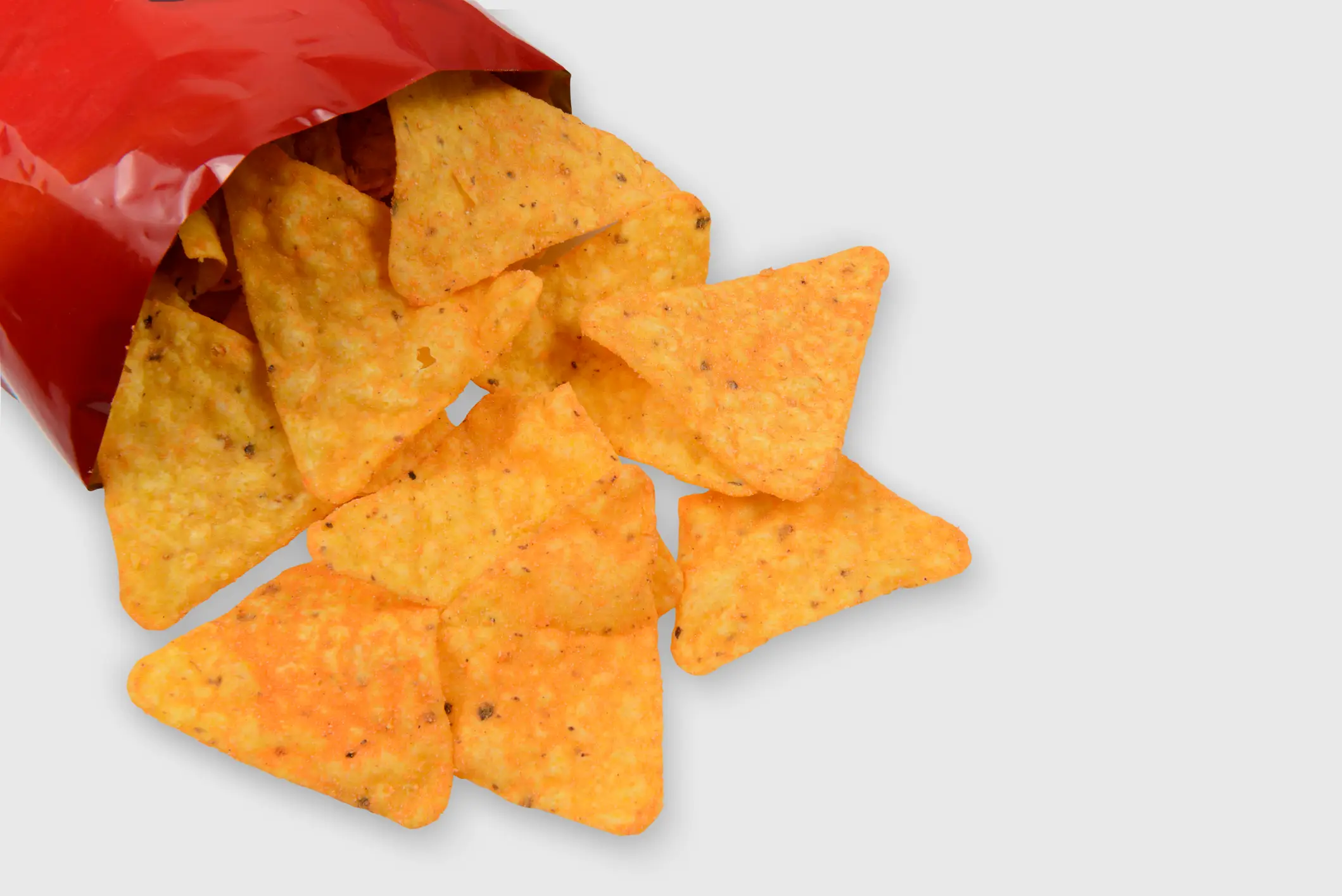
Items that are considered to be on the extreme end of this scale include things like chips/crisps, packaged cookies, reconstituted meats like hot dogs or deli ham, supermarket bread, frozen meals, and sugar-heavy breakfast cereals.
There's a good chance that most people consume UPFs on a semi-regular basis, and for some it even encompasses a large proportion of their diet.
Studies have already shown that ultraprocessed foods increase your risk of developing cancer in the first place, but this new revelation extends that danger past the point of diagnosis.
Not only are these foods low in essential nutrients, but they're also packed with additives, artificial flavorings, preservatives, emulsifiers, added sugars, and unhealthy fats.
"What people eat after a cancer diagnosis may influence survival, but most research in this population has focused only on nutrients, not how processed the food is," explains Marialaura Bonaccio, PhD, lead author of the study.
"The substances involved in the industrial processing of foods can interfere with metabolic processes, disrupt gut microbiota, and promote inflammation," she continues.
"As a result, even when an ultraprocessed food has a similar calorie count and nutritional composition on paper compared to a minimally processed or 'natural' food, it could still have a more harmful effect on the body."
The study itself followed 24,325 individuals, identifying 802 cancer survivors who provided their dietary information. Within this smaller group, 281 died across a 14.6-year follow-up period, with individuals in the 'highest third' of ultraprocessed food consumed by weight ratio possessing a 48% higher rate of death from any cause, alongside a 57% higher rate of death from cancer specifically.