
Scientists make major discovery about the effect eating chia seeds has on the body


If you're interested in healthy eating at all you'll likely have heard about or even tried to integrate chia seeds in your diet, yet new research conducted by scientists has revealed a revelatory property of the popular food.
Anyone looking to improve their diet should probably pay attention to items often referred to as 'super foods', as these pack in countless benefits for healthy living without too many (or any) downsides in the process.
One such of these super foods are chia seeds, which are packed with fiber, beneficial omega-3 fatty acids, protein, and antioxidants, and they can be integrated into a wide variety of meals and drinks — including your morning smoothie.
They do have their downsides, of course, as eating them in the wrong way or having too many in one meal can lead to gastrointestinal distress, comprising a number of uncomfortable stomach-related issues like bloating, gas, and even constipation.
Advert
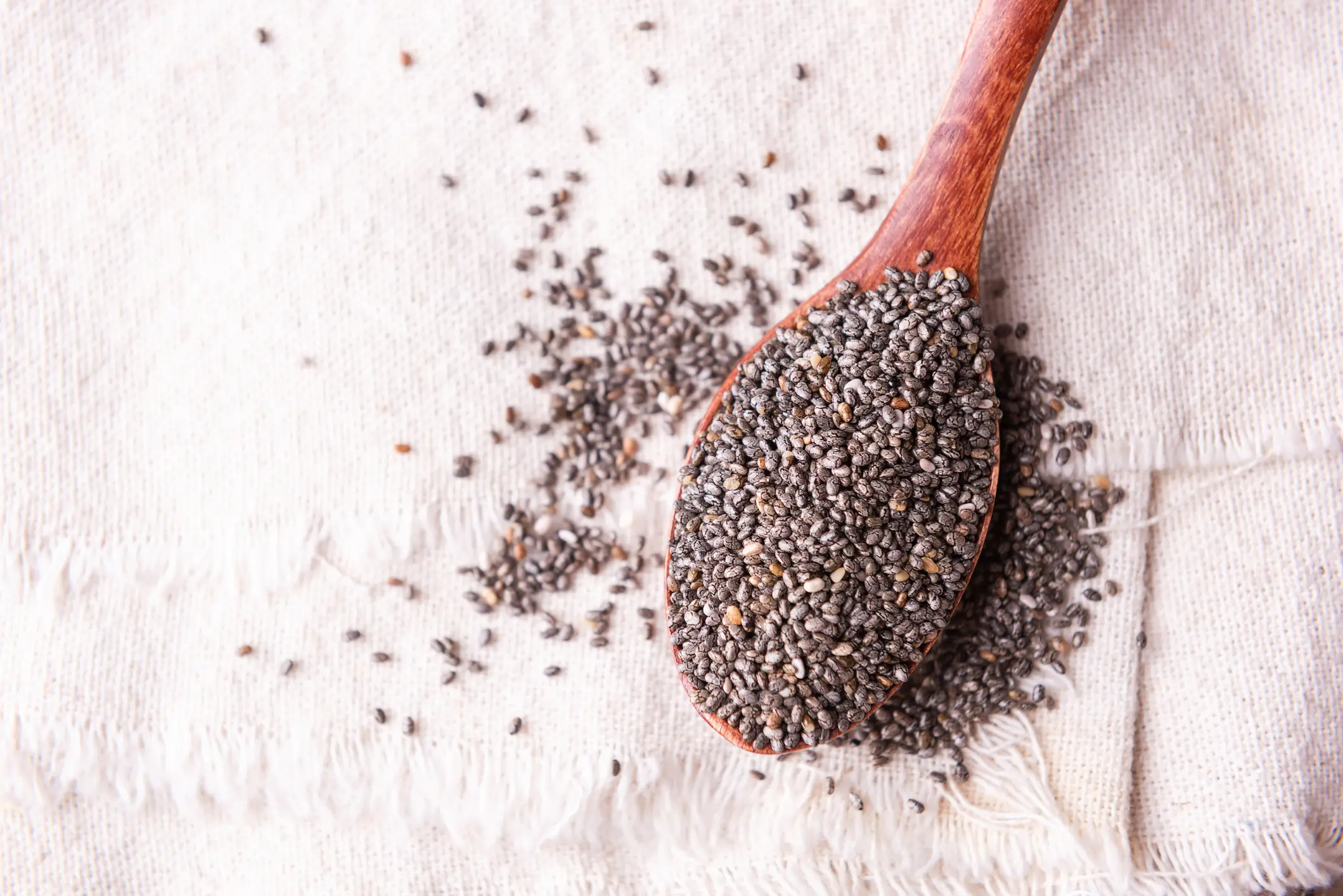
You can even find yourself at risk of choking under extreme circumstances or when eaten dry, as the seeds are prone to expand far beyond what they initially seem and could get lodged in your throat.
They are usually fine if you eat them responsibly though and many people are able to enjoy the benefits without any of the drawbacks, but a recent discovery made by scientists might just have given another major reason why you might want to buy into the chia seed hype.
As detailed in a research paper published in the ScienceDirect journal, Brazilian researchers have revealed an unexpected property of chia seeds that appears to suppress the feeling of hunger, making it a potentially potent ingredient for anyone looking to lose weight.
One of the biggest reasons why weight loss drugs like Ozempic work so well are because they artificially suppress the feeling of hunger inside the body, making it so that people taking it are far less inclined to over eat or increase their portion sizes.
The study itself saw the scientists observe the reaction of rats who were on high-fat, high-fructose (HFHF) diets, with one group being fed chia flour and the other chia oil.
Analyzing the brains of both groups of rats across a period of ten weeks, the research indicated that those that were fed chia oil had an increase in the activity of genes related to satiety – effectively measuring the state of 'fullness' – with chia flour showing no response in this regard.
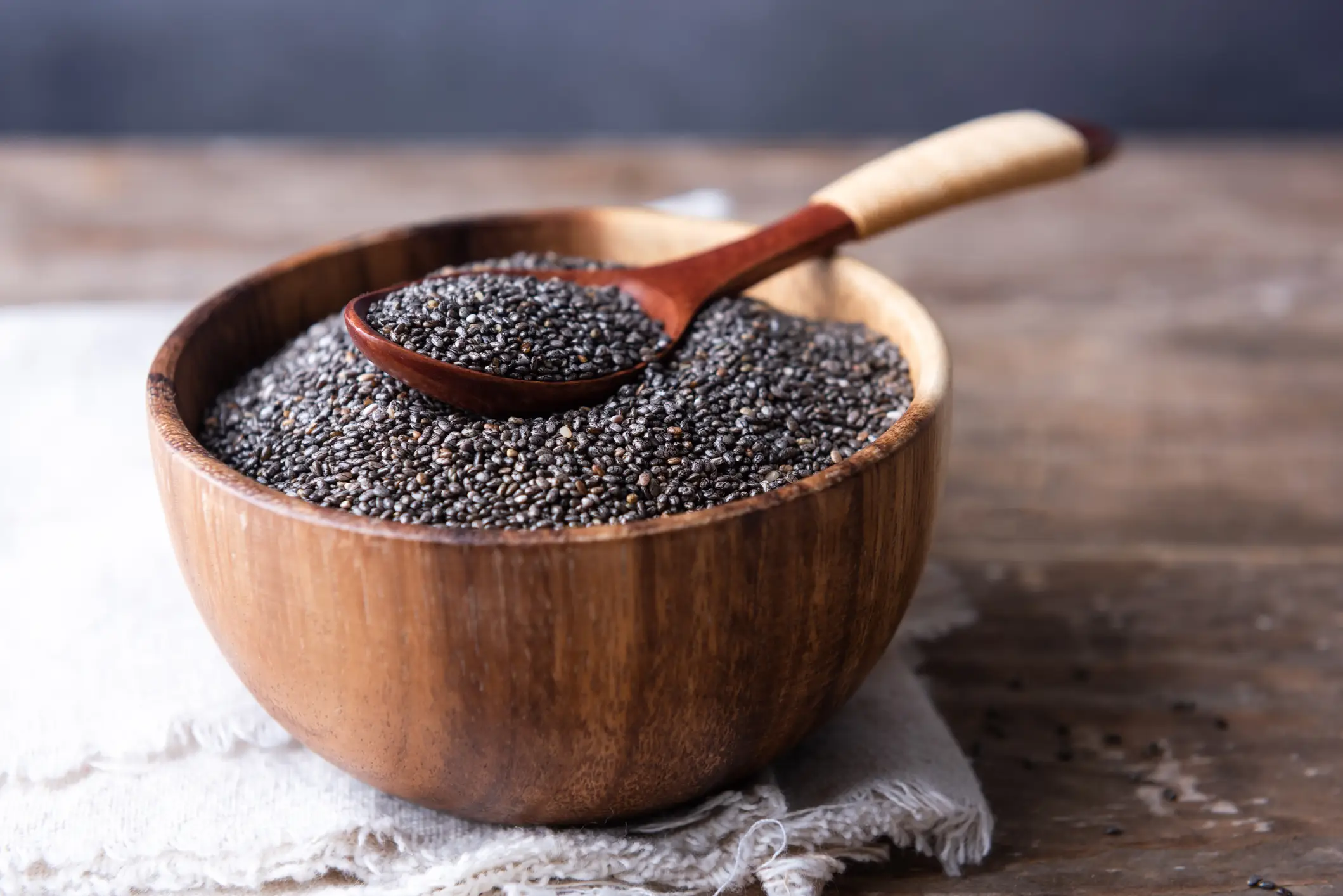
However, both appeared to show an enhanced response to leptin, a peptide hormone that regulates long-term energy balance and appetite within the body, effectively reducing the feeling of hunger and the desire to eat.
Similar effects have been seen in another ingredient often referred to as 'nature's Ozempic', but this could prove to be an additional benefit to an already impressively healthy ingredient, making it an even better move to integrate chia seeds into your diet — in regulation, of course.