
Five food and drinks linked to cancer as World Health Organization officially class lunch food as carcinogenic


You might want to make some adjustments to your diet after recent reports from the World Health Organization (WHO) revealed five different types of food and drink that have an alarmingly strong link to the development of cancer.
It was only recently that medical experts outlined the increased link that one popular lunch item has with cancer, yet four other key food and drink groups have emerged with similarly dangerous consequences.
These aren't just singular items either but broader types of food and drink that millions of people around the world regularly consume as part of their diet, and experts have urged people to make small changes at the very least in order to reduce the risk of health issues down the line.
You don't necessarily need to cut these out of your life completely, although some are certainly more harmful than others, but even reducing the rate at which you consume them is a positive change that you should definitely consider.
Red meat
As shared by the University of Texas MD Anderson Cancer Center, the first food group that has been revealed to possess a link to cancer is red meat, which comprises popular items such as beef, pork, venison, and lamb.
Advert
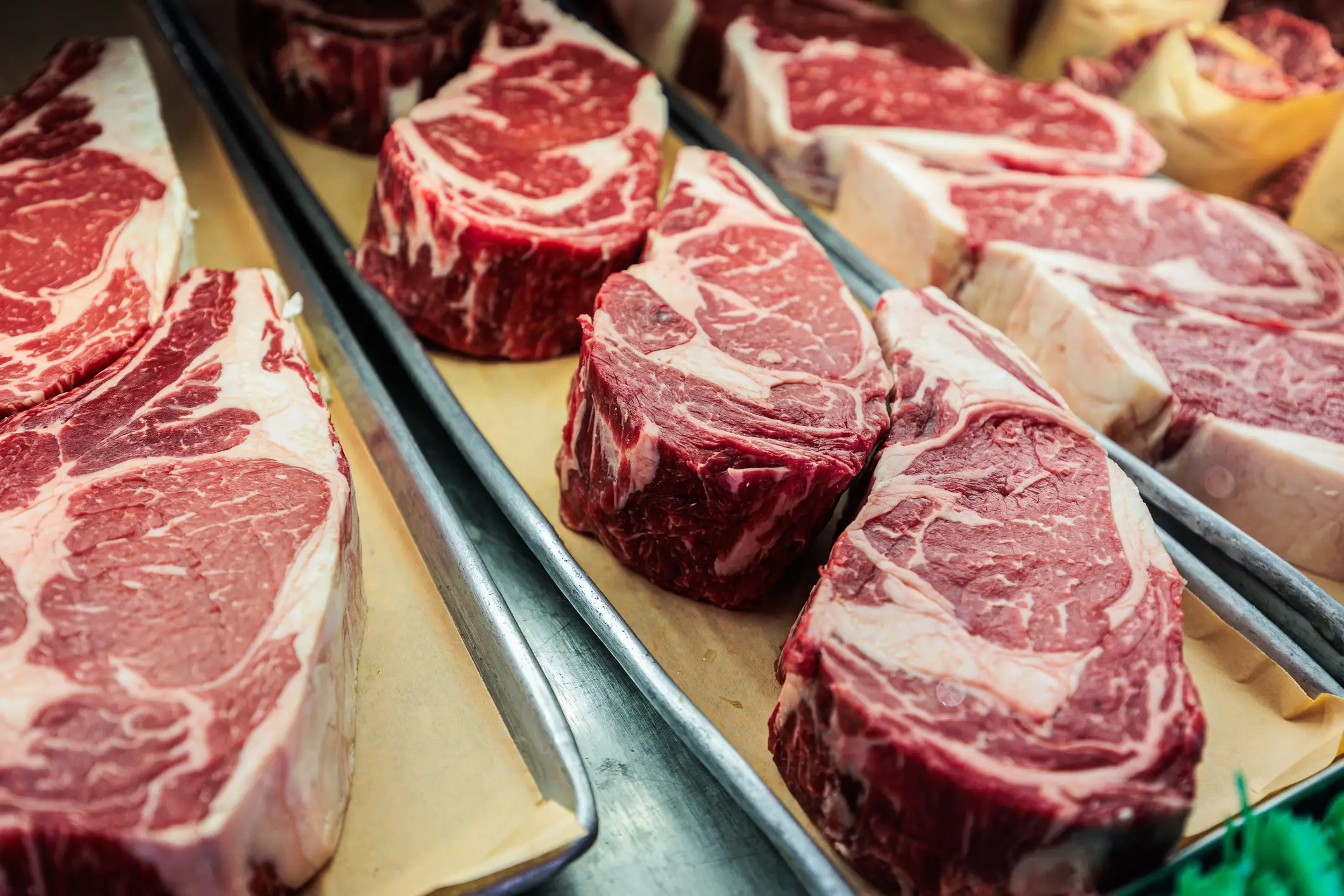
According to clinical dietitian Alyssa Tatum, consuming a large amount of red meat over your life can increase the risk of developing colorectal cancer, although you don't have to fully cut it out to see any benefits.
"We're not entirely saying 'Don't eat it', but we're saying 'Try to reduce the frequency of red meat intake and choose smaller portions'," Tatum explains, with suggestions from MD Anderson that you should replace it with plant-based alternatives instead.
Processed meats
Next up are processed meats, of which the contents might shock you as to how broad it applies. If you're unaware, the classification of 'processed' applies to a type of food that has been changed in either shape of flavor before being sold.
This applies to something as 'simple' as sausages, bacon, and deli counter items, or towards more 'extreme' items like hot dogs and luncheon ham which are dramatically different from their source meat.
Risks present within these items are typically associated with the nitrates and nitrites that are often used to preserve them, and this can increase the chance of developing colorectal and stomach cancers later on in life.

Tatum recommends people to look and see "if there are healthy swaps available for that food and reading labels to compare products."
Ultra-processed food and drink
Going up a level, ultra-processed foods (sometimes referred to as UPFs) and similar drinks can increase your risk of developing cancer due to the higher levels of sugar and sodium present.
"Eating these ultra-processed foods that are high in calories and low in nutritional value can increase your cancer risk by causing weight gain and obesity. Obesity can increase your risk for cancer," Tatum illustrates.
These UPFs include things like pre-made cakes, crisps, ready meals, and even breakfast cereal, and while it can be challenging to cut these out of your life completely, reducing what you consume is always going to be beneficial.
Alcohol
One potentially painful one for many is alcohol, as while it's something that many people across the world love to drink, its 'toxic' nature causes damage to tissues inside your body which can potentially lead to changes in your DNA, Tatum claims.
Excessive alcohol consumption is linked to stomach, colorectal, esophageal, liver, pancreatic, and breast cancer, and other medical experts will make you aware of other risks that these drinks can create — including one that suggests you cut it out completely after a certain age.
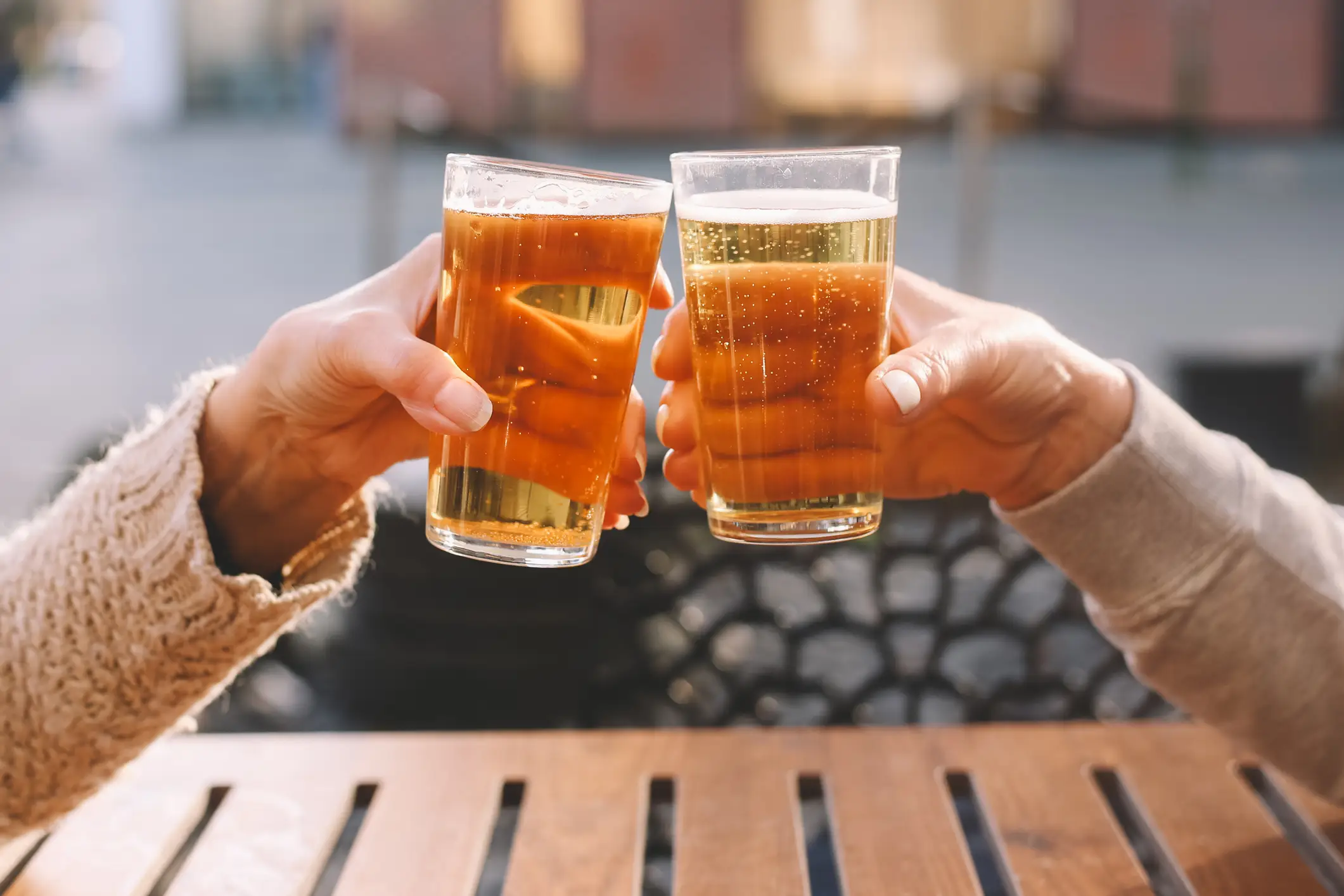
If you do still want to drink alcohol though, Tatum suggests that around one drink a day for women and two per day for men is the maximum, with moderation below this point always recommended.
Food and drink with added sugar
Finally, all food and drink with added sugars are going to contribute to weight gain and obesity, which in turn raise your risk of developing cancer in a similar way to UPFs.
One of the biggest ongoing debates in the medical world is the risk posed by artificial sweeteners too, as some argue that they contribute to cancer development whereas others aren't quite as convinced.
Ultimately though Tatum recommends that you practice moderation in general when it comes to high-sugar food and drink, and staying alert will help you keep your health in check.