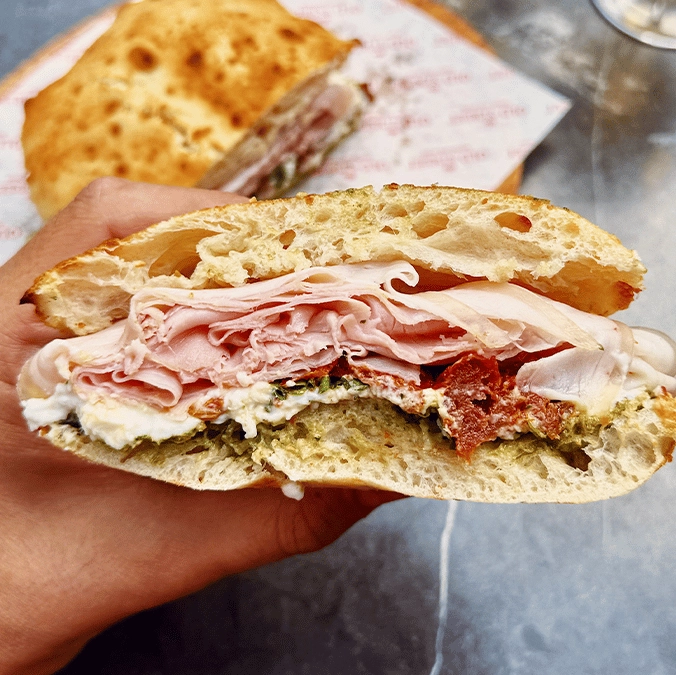
Major lunch food officially classed as cancer-causing by World Health Organization


There's no underestimating the importance of a balanced diet, and while everything should be consumed in moderation, there are some foods you'll want to be steering well clear of. After all, with everything from exposure to the Sun to alcohol, cigarettes, and inactivity being blamed for the DNA damage that causes cancer, the last thing anyone wants is to add something else onto the pile.
The White House recently came under fire for its revamped dietary guidelines that place an importance on red meat and butter, but when even the Secretary of Health accused the POTUS of pumping himself full of 'poison', there are obvious skeptics of any health advice given from the current administration.
As well as being warned about the dangers of ultra-processed foods overtaking tobacco in terms of contributing to premature deaths, we've also been told to look out for soybean oil and reprimanded for trying to cook bacon in an air fryer.
Sticking with pigs, it's been declared that one popular luncheon meat could be a cancer-causing worry.
Advert
The World Health Organization has long held the belief that the consumption of red and processed meat can be linked to colon cancer, with ham classed as a Group 1 carcinogen. Even the consumption of a small 50g amount daily can raise the risk of cancer by 18%.

CNN reports how France's NutriNet-Santé study has compared the lifestyle and medical data of 170,000 people in the French national health care system.
A new cancer study was published in the British Medical Journal, looking at how 58 preservatives affected 105,000 people who were free of cancer in 2009, following them for 14 years.
Out of 17 preservatives that were consumed by at least 10% of the participants, 11 were found to have no relationship with cancer.
Six that were linked to cancer are considered "generally recognized as safe” by the US Food and Drug Administration. This included sodium nitrite, potassium nitrate, sorbates, potassium metabisulfite, acetates, and acetic acid.
The latest research suggests that sodium nitrite leads to a 32% increased risk of prostate cancer. As sodium nitrate is a chemical salt that's found in many processed meats, hams, and deli meats, that quick lunchtime sandwich could be a deadly assassin you've not even considered. Elsewhere, its cousin, potassium nitrate, has been attributed to a 22% increase in the risk of breast cancer and a 13% increase in the risk of cancers in general.
Sorbates were associated with a 26% higher risk in terms of breast cancer, as well as a 14% increase in all types of cancers. As these water-soluble salts are used in everything from wine to cheese to prevent mold growing, they're far more common than you'd think.
Senior author Mathilde Touvier suggested: "These are very important findings for preservatives that are not only widely used in the French and European markets, but also in the United States.”
Touvier is also the director at France’s National Institute of Health and Medical Research in Paris, adding: "These are the two first studies in the world investigating the associations between exposure to these food additives and cancer and type 2 diabetes...And so we must be very cautious about the message. Obviously, the results need to be confirmed."
Even though more work needs to be done, preventive and lifestyle medicine specialist Dr David Katz explained: "The concern raised about preservatives is one more reason among many to emphasize the personal and public health importance of fresh, whole, minimally processed foods, mostly plants."
Touvier warned that 'natural' preservatives aren't as commonly linked to cancer, but they could still be harmful if used as additives: "The hypothesis here is when you isolate one substance from its original matrix of a whole fruit or vegetable, the action on our health can be different depending on the way our gut microbiota will digest it."
Finally, five of the cancer-causing preservatives (potassium sorbate, potassium metabisulfite, sodium nitrite, acetic acid, and sodium acetate) increased the risk of developing type 2 diabetesby a whopping 49%.
While we know it's hard to completely avoid preservatives, it could be time to rethink your choice of lunch.