
Little-known oil hidden in most popular foods linked with life-threatening condition


A recent study has revealed a little-known oil hidden in everyday foods may be causing a life-threatening condition.
Scientists are constantly uncovering hidden health connections that we didn't previously understand. From discovering health conditions that can accelerate Alzheimer's development by a third, to revealing extreme side effects of weight-loss drugs like Ozempic, researchers continue finding surprising links between various factors and how our bodies respond.
Now, a new study has turned attention to one of the most common vegetable oils that might be contributing to weight gain.
Soybean oil isn't something most people cook with directly, but it's often found in processed foods like salad dressings, margarine and crisps.
Advert
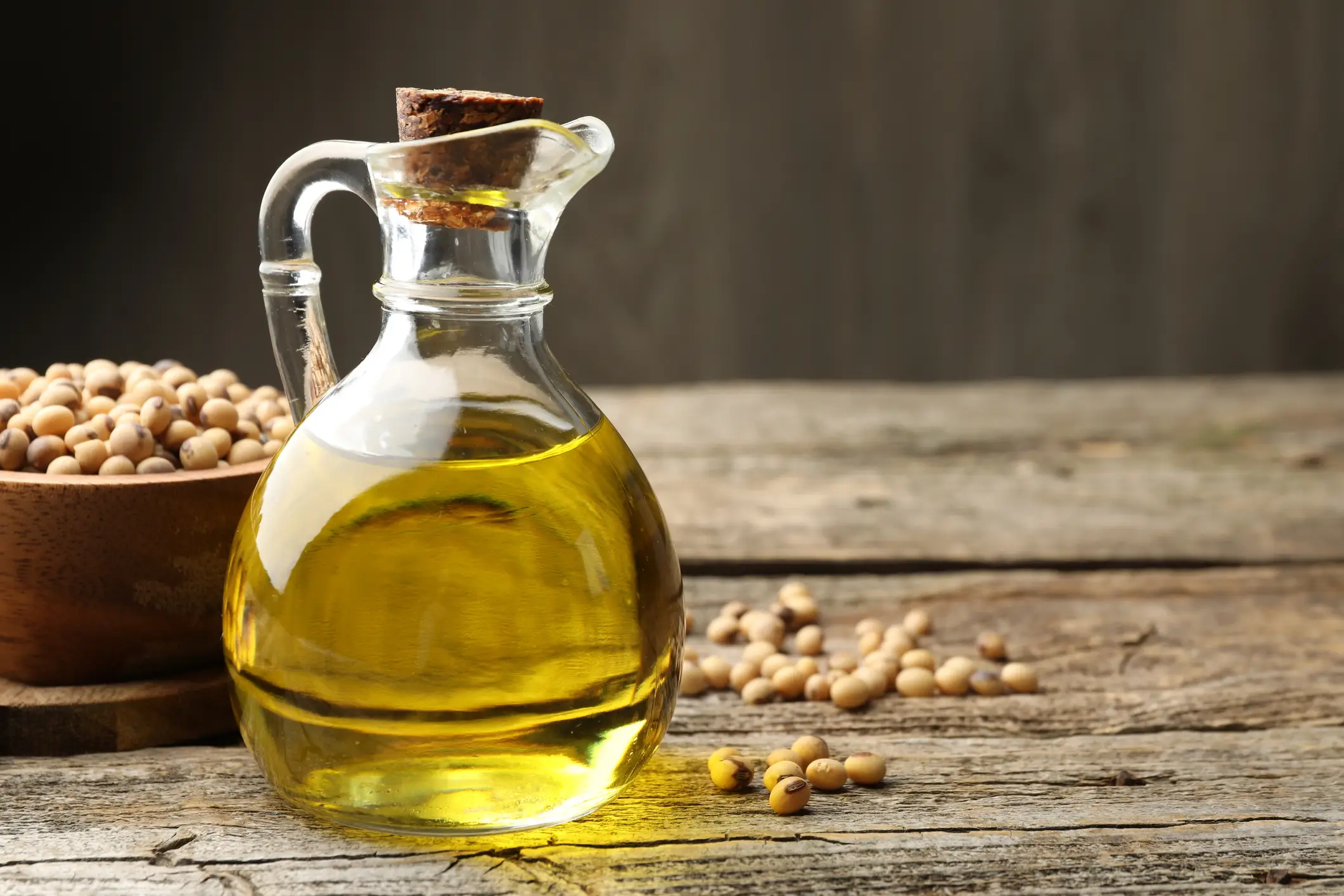
Previous studies have linked soybean oil consumption to weight gain, but couldn't determine exactly why only certain people experience significant weight gain after consuming it.
“Soybean oil isn’t inherently evil,” said Frances Sladek, professor of cell biology at the University of California. “But the quantities in which we consume it is triggering pathways our bodies didn’t evolve to handle.”
To understand what's happening, the research team at the University of California, Riverside conducted experiments on two groups of mice. Both were fed diets heavy in soybean oil. While the first group had no genetic modifications, the second group produced a slightly altered version of a liver protein that affects how the body breaks down fat.
As a result, the first group of mice gained substantial weight on the soybean oil diet while the second group gained no weight at all. This suggests that genetics and modern diets play a key role in obesity and explains why some people struggle more with weight gain than others when eating the same foods.
“This may be the first step toward understanding why some people gain weight more easily than others on a diet high in soybean oil,” said Sonia Deol, a biomedical scientist at the university and corresponding author of the study.
“We’ve known since our 2015 study that soybean oil is more obesogenic than coconut oil,” added Prof Sladek. “But now we have the clearest evidence yet that it’s not the oil itself, or even linoleic acid. It’s what the fat turns into inside the body.”

Soybean oil contains high amounts of linoleic acid, a fatty acid that your body converts into molecules called oxylipins. When you consume too much linoleic acid, your body produces excessive amounts of these oxylipins, which are linked to inflammation and fat storage.
In the study, the genetically engineered mice produced far fewer oxylipins despite eating the same high-fat diet. They also had healthier livers and showed improved mitochondrial function, which likely explains why they resisted weight gain.
While the team doesn't have plans for human trials yet, they hope these findings will influence future nutrition research and food policy.
“It took 100 years from the first observed link between chewing tobacco and cancer to get warning labels on cigarettes,” Prof Sladek said. “We hope it won’t take that long for society to recognise the link between excessive soybean oil consumption and negative health effects.”