
Fears of 'mega constellation' rise as China plan to launch 200,000 satellites into space


China's latest space plan could smash pre-existing records, as the government reveals an application to launch nearly 200,000 satellites into the sky in what some are concerned will end up being a 'mega constellation'.
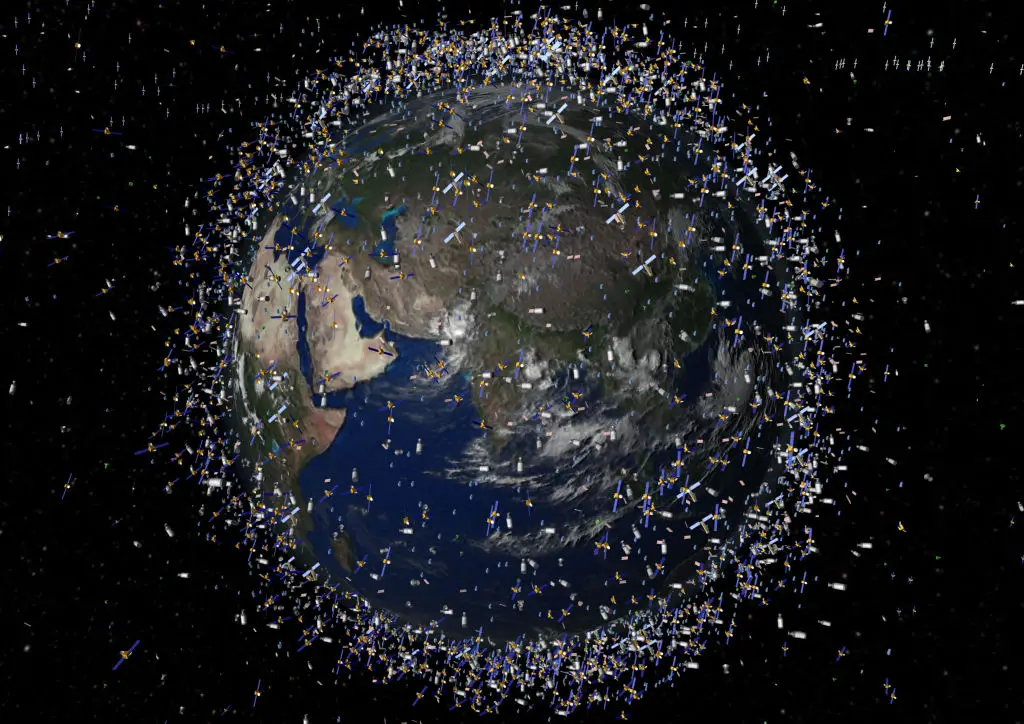
The rate at which satellites have been launched into the sky has increased dramatically over the past decade, as companies like SpaceX have pushed ahead with constellations that provide unparalleled network coverage across the world.
Elon Musk's company recently had to combat fears of a potentially catastrophic event, however, due to the sheer amount of objects that are floating around the sky, yet new plans revealed by China could make SpaceX efforts feel minuscule in comparison.
As reported by the Daily Mail, the Chinese government has now applied to launch a 'mega constellation' of almost 200,000 satellites into space, dwarfing the efforts of its competitors and achieving uncompromising dominance of Low Earth Orbit (LEO).
Advert
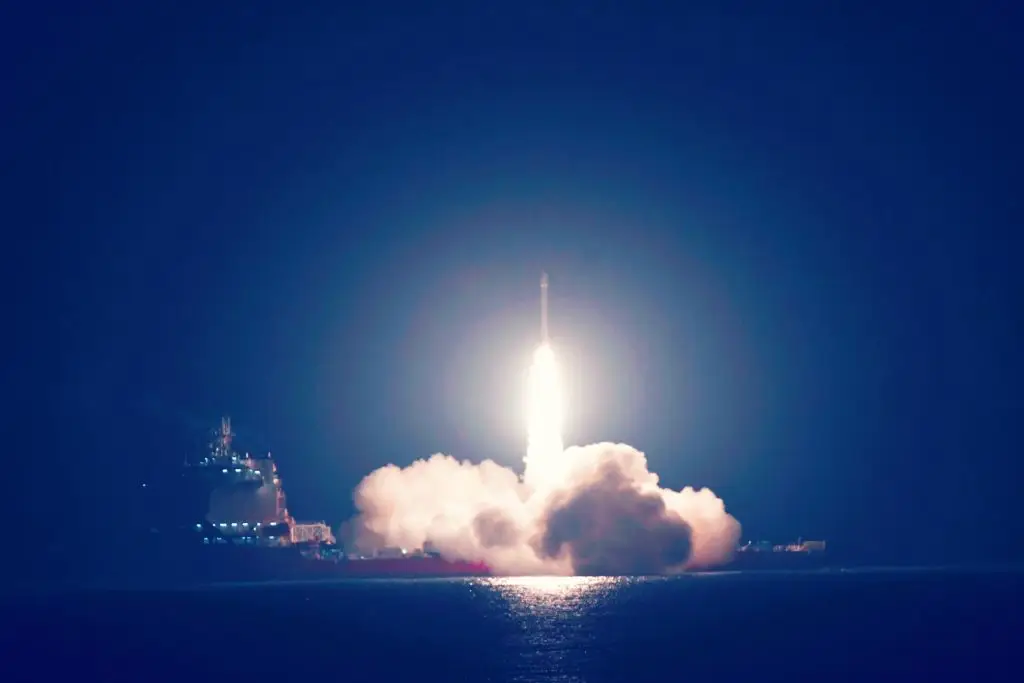
The application itself comes from a newly formed body of the Chinese government known as the Institute of Radio Spectrum Utilization and Technological Innovation, which has filed the request across two key constellations.
These constellations, known as CTC-1 and CTC-2, contain 96,714 satellites each and would be spread across 3,660 separate orbits, hopefully quelling any fears around potential collisions and the subsequent debris that these crashes would cause.
Collectively these two constellations would be the largest of their kind in human history, and provide China with almost total control of key areas in LEO, although it remains somewhat unclear right now as to what the satellites will be used for and why so many are necessary.
Researchers at the Nanjing University of Aeronautics have provided a number of potential focuses, revealing that CTC-1 and CTC-2 would focus on "low-altitude electromagnetic space security, integrated security defense systems, electromagnetic space security assessment of airspace, and low-altitude airspace safety supervision services."
One key aspect of the filing process that is currently ongoing with the International Telecommunications Union (ITU) is that any other companies will now need to demonstrate or prove that their new satellites won't interfere or pose a risk of collision with China's output, effectively making it harder for anyone else to challenge China's dominance.
Another alarming prospect for the United States is that this dominance in space would give China a clear upper hand if conflict was to emerge between the two nations, and considering the tension that is currently felt, that could very well become reality in the near future.