New study indicates key health indicator that increases risk of Alzheimer's by a third


One alarming new study has identified a link between the development of Alzheimer's disease and one key health indicator that millions suffer from worldwide, indicating that it increases the risk by around a third.
Alzheimer's disease is one of the most challenging health conditions that people run the risk of dealing with in their later years, as it deteriorates your brain's ability to think, makes remembering things harder, and even affects your behavior.
Some studies have discovered unorthodox ways of reducing the risk of developing this condition, including engaging in a rather gross habit or reaching a certain step count every single day, but it remains a challenge for medical experts across the globe to fight every year.
Evidence emerging from one form of research indicates that the 'cause' of Alzheimer's could actually be found inside your mouth, but one alarming new study has linked the disease to a key health indicator that a growing number of people are diagnosed with.
Advert

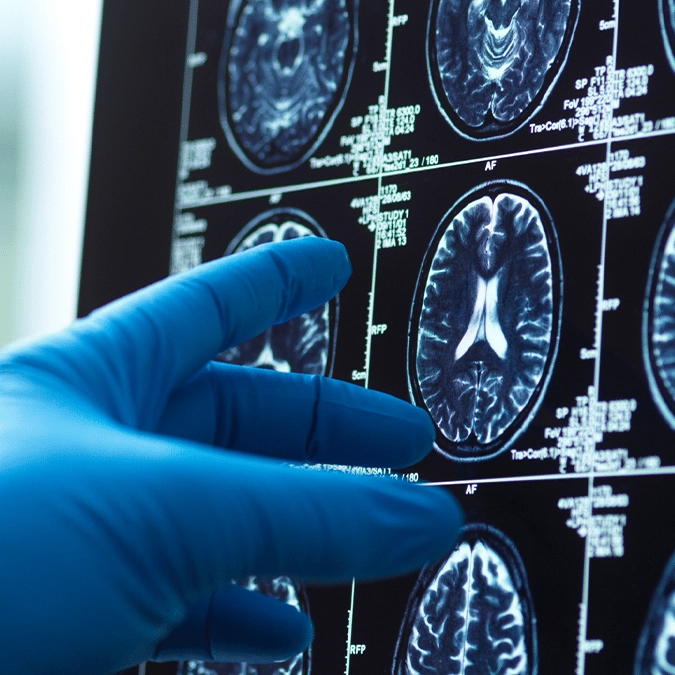
As reported by the Independent, a new study analyzing blood tests has revealed that obesity could speed up the development of Alzheimer's disease, specifically within individuals between the ages of 35 and 65.
The estimated increase of risk is by around a third, and that could be a worrying revelation for millions worldwide – even though obesity rates are falling thanks to the widespread use of weigh loss drugs like Ozempic.
Key to this newly discovered link is the already-established understanding that high blood pressure and type 2 diabetes both contribute to the risk of dementia and Alzheimer's, as both conditions are commonly found in individuals with obesity.
Data collected over a five-year period across 407 different participants was unveiled in the new study, which is set to be presented at the Radiological Society of North America's (RSNA) annual meeting.
The blood tests themselves measured a protein known as p-tau217, as when high levels of this are detected it's a sign that amyloid plaques are present. These are a common sign of Alzheimer's disease, and signs of the condition increased up to 95 percent faster in individuals with obesity compared to their non-obese counterparts.

"This is such a profound science to follow right now because we have drugs that can treat obesity quite powerfully," explains Dr Cyrus Raji, senior author of the study in question, "which means we could track the effect of weight loss drugs on Alzheimer's biomarkers in future studies."
Dr Raji added that "it's marvellous that we have these blood biomarkers to track the molecular pathology of Alzheimer's disease, and MRI scans to track additional evidence of brain degeneration and response to various treatments. This work is foundational for future studies and treatment trials."