
New study uncovers playing this classic video game relieves distressing mental health problem


A new study has reveales that playing this classic video game can actually relieve a distressing mental health problem.
Whether you're loyal to PlayStation or Xbox consoles, prefer a handheld Nintendo device or stick to PC gaming, video games have become a fun hobby for many, despite one title officially being crowned the most stressful video game of all time.
Now, new research has revealed that one beloved classic game might actually help players overcome a serious mental health problem.
Advert
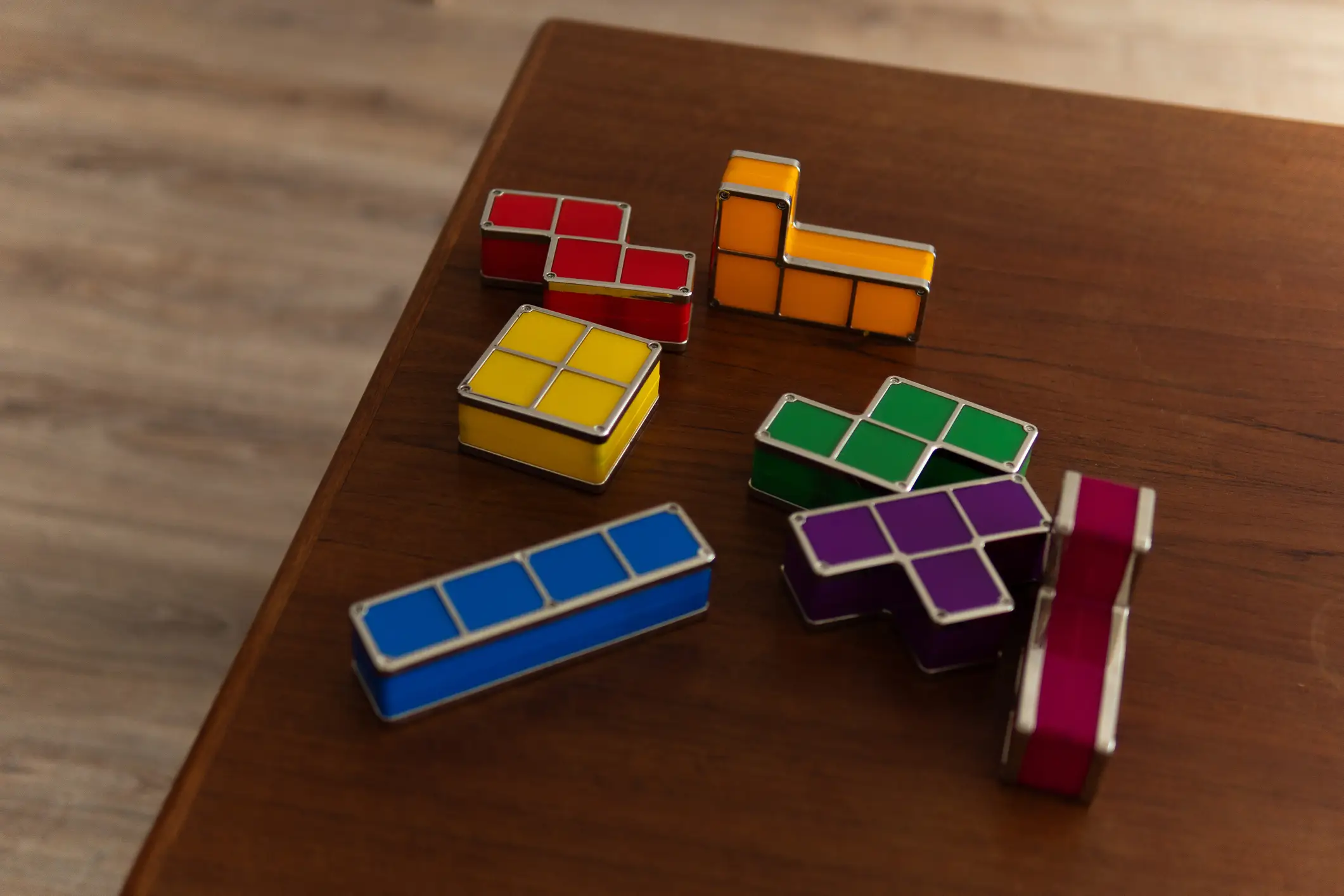
Researchers in the UK and Sweden discovered that playing Tetris could help reduce the impact of traumatic memories.
The trial included 99 NHS workers who had experienced workplace trauma, such as witnessing deaths during the Covid-19 pandemic.
Of these, 40 received a specialised treatment involving Tetris, called imagery competing task intervention (ICTI).
Participants in the treatment group were asked to play a slower version of the puzzle game while recalling their traumatic experiences. As part of ICTI, they were then instructed to visualise the Tetris grid and imagine the falling blocks.
The ICTI method is believed to reduce the intensity of intrusive memories by engaging the brain's visuospatial processing areas, according to the research published in The Lancet Psychiatry.
As a result, the group of health workers who played Tetris had 10 times fewer flashbacks than other groups within four weeks, the scientists noted.
“Even a single, fleeting intrusive memory of past trauma can exert a powerful impact in daily life by hijacking attention and leaving people at the mercy of unwanted and intrusive emotions," said Emily Holmes, a professor of psychology at Uppsala University. “By weakening the intrusive aspect of these sensory memories via this brief visual intervention, people experience fewer trauma images flashing back.”
Meanwhile, the control groups either listened to Mozart's music along with podcasts about the composer to help reduce stress or received conventional treatment methods.
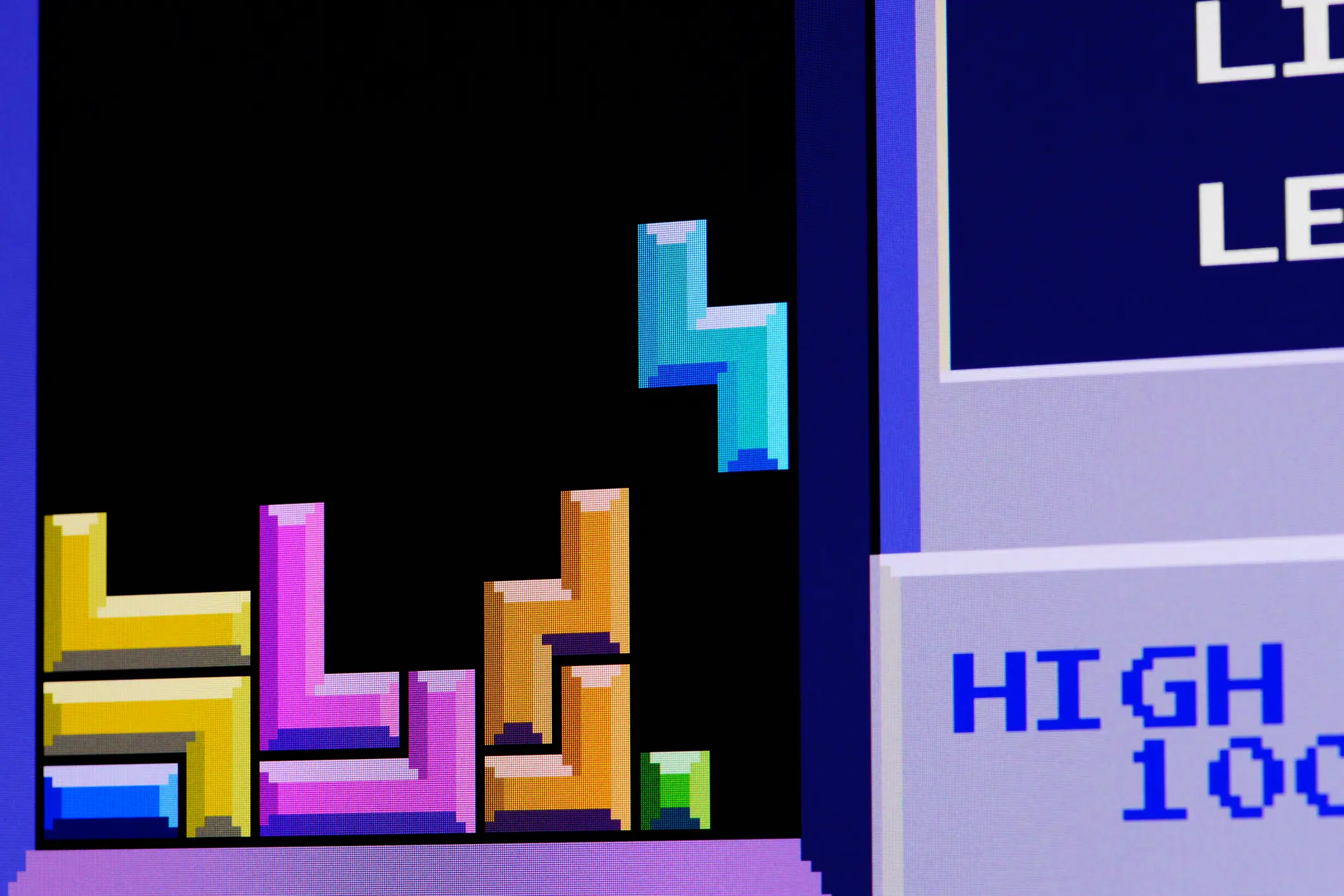
After six months, some 70% of the treatment group reported having no intrusive memories whatsoever. The treatment also showed effectiveness in addressing post-traumatic stress disorder (PTSD) symptoms.
“We are delighted to have made a real breakthrough by showing this intervention works," Professor Holmers added. “It is far more than just playing Tetris, and while it is simple to use, it’s been a complicated process to refine and develop. The intervention focuses on our mental imagery, not words, and is designed to be as gentle, brief and practical as possible to fit into people’s busy lives.
Holmes and his team hope to expand their research so that 'it can be put into practise by determining its effectiveness for a broader range of people and scenarios.
Charlotte Summers, director of the Victor Phillip Dahdaleh Heart & Lung Research Institute and professor of intensive care medicine at the University of Cambridge, explained: “Every day, healthcare workers across the world are recurrently exposed, to traumatic events in the course of their work, impacting the mental and physical well-being of those who care for us when we are unwell.
“At a time when global healthcare systems remain under intense pressure, the discovery of a scalable digital intervention that promotes the well-being of health professionals experiencing work-related traumatic events is an exciting step forward.”