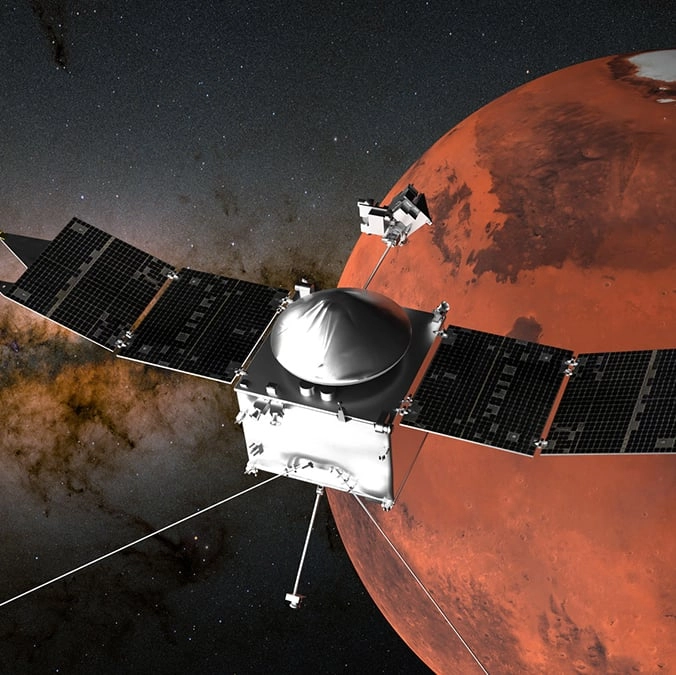
NASA issue worrying update about Mars spacecraft after it vanished in space


NASA has issued a worrying update about a Mars spacecraft after it vanished in space.
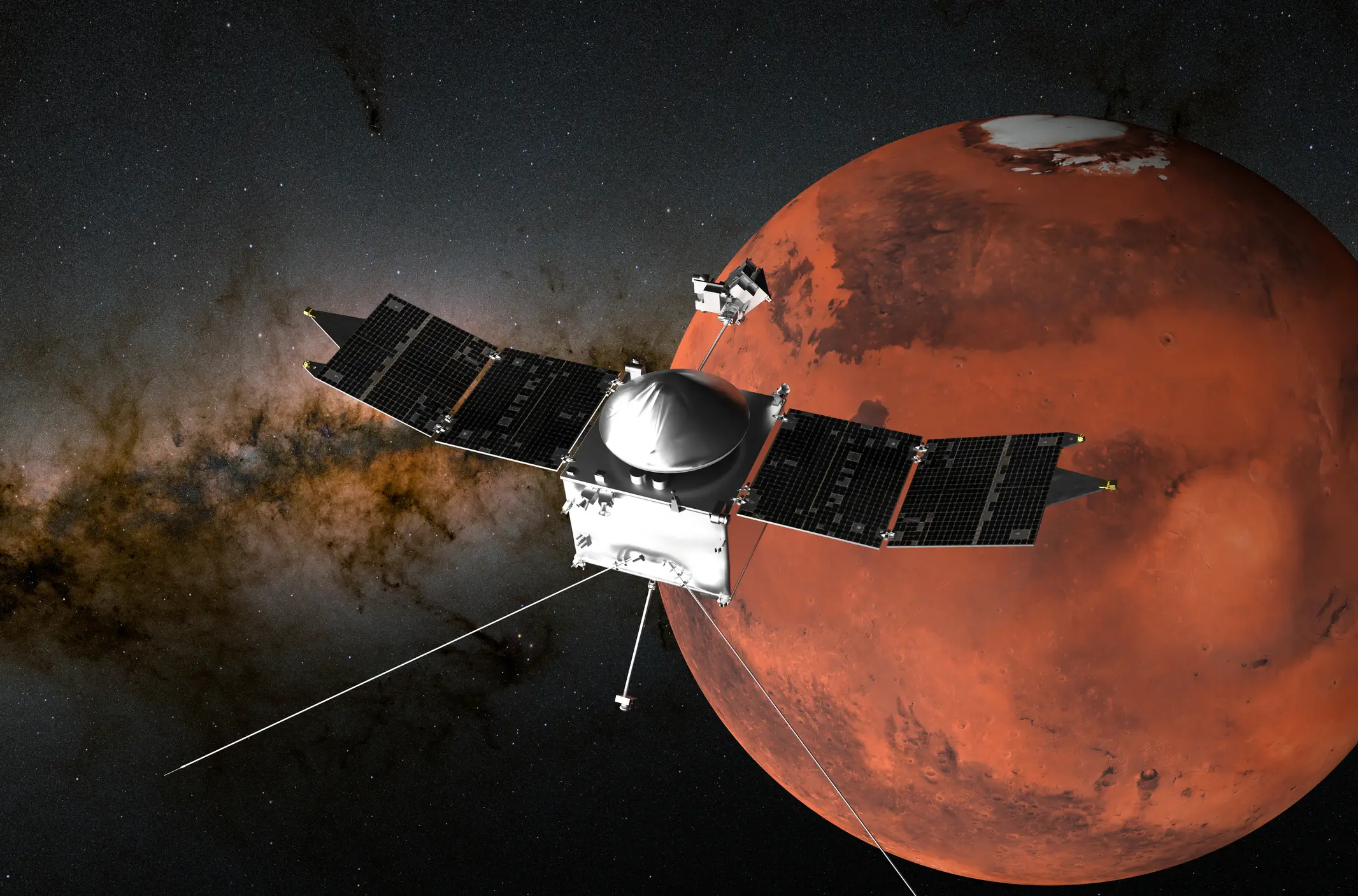
Last month, the NASA MAVEN (Mars Atmosphere and Volatile EvolutioN) spacecraft went offline after it had spent over 10 years analyzing the upper atmosphere of Mars.
This came after the space agency revealed in December that the orbiter appeared to be ‘rotating in an unexpected manner when it emerged from behind Mars’.
Since then, NASA has lost contact and has now shared an update saying it will continue the efforts to reconnect.
Advert
On the NASA website, it said: “NASA’s MAVEN (Mars Atmosphere and Volatile EvolutioN) mission team, in partnership with the agency’s Deep Space Network, continues recovery activities after losing contact with the spacecraft on Dec 6. To date, attempts to reestablish contact with the spacecraft have not been successful.
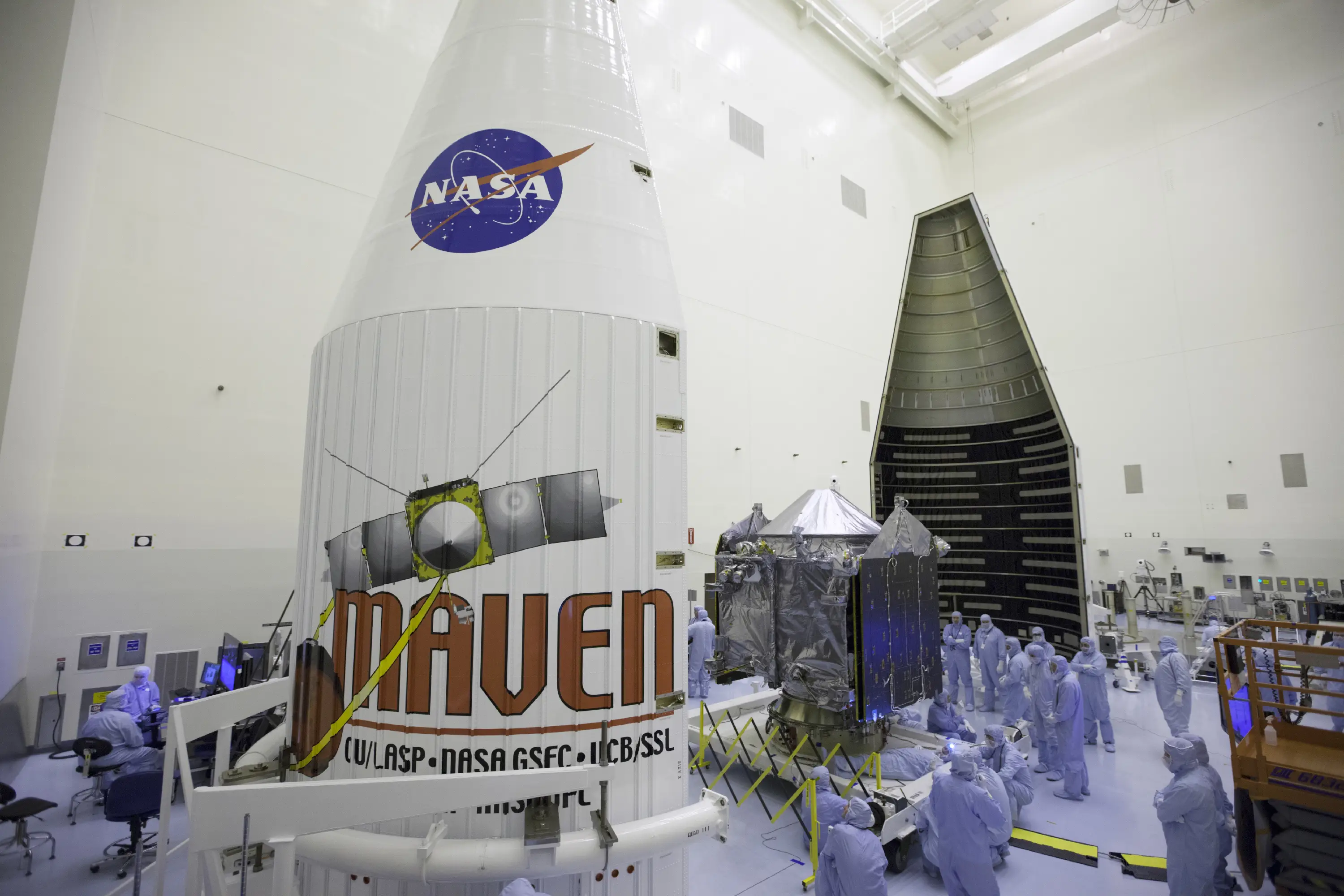
“Although no spacecraft telemetry has been received since Dec 4, the team recovered a brief fragment of tracking data from Dec. 6 as part of an ongoing radio science campaign. Analysis of that signal suggests that the MAVEN spacecraft was rotating in an unexpected manner when it emerged from behind Mars.
“Further, the frequency of the tracking signal suggests MAVEN’s orbit trajectory may have changed. The team continues to analyze tracking data to understand the most likely scenarios leading to the loss of signal. Efforts to reestablish contact with MAVEN also continue.”
NASA revealed that it is also working towards fixing the anomaly on ‘surface operations for NASA’s Perseverance and Curiosity rovers’.
The four orbiters located around Mars, including MAVEN, all relay their communications to and from the planet’s surface in order to support rover operations.
The other rovers - NASA’s Mars Reconnaissance Orbiter, Mars Odyssey, and ESA’s (European Space Agency’s) ExoMars Trace Gas Orbiter - are still operating successfully.
NASA continued: “For the next two weeks of scheduled surface operations, NASA is arranging additional passes from the remaining orbiters, and the Perseverance and Curiosity teams have adjusted their daily planning activities to continue their science missions.”
And it seems like the space agency isn’t losing hope just yet as Mars’ solar conjunction - which is a weeks-long period where Mars and Earth are both on opposite sides of the Sun - is expected to come to an end today (January 16).
This will give NASA a new opportunity to attempt to reestablish a connection with the orbiter.
However, if this attempt proves to be unsuccessful, it’s not yet clear what NASA’s next steps will be.