Exactly which cancers are linked to major lunch food officially classed as carcinogen by World Health Organization


Why is it that those things that taste the best are always the worst for you? As we’re all feeling a little bloated after the festive season, and after plying ourselves with turkey, candied hams, pumpkin pie, and a few too many sherries, January 2026 really could be a time for a new year, new me mentality.
While we won't lecture you on the whole New Year's resolution cult, there are continued questions about what we're putting in our bodies and our general health. Even though there have been some raised eyebrows over the Trump administration's revised food guidelines that put an emphasis on red meat and fatty butter, it's true that ultra-processed foods are rightly in the firing line.
Ultra-processed foods are said to have overtaken tobacco as the leading cause of premature death, which might cause you to stop for a little longer next time you're going down the supermarket aisles.
In particular, the World Health Organization has classed deli meats and the likes of ham as a Group 1 category carcinogen. The WHO reminds us that red meat includes "beef, pork, veal, lamb, mutton, and goat" in fresh, ground, or frozen form, with it being branded a 'probable carcinogen'.
Advert
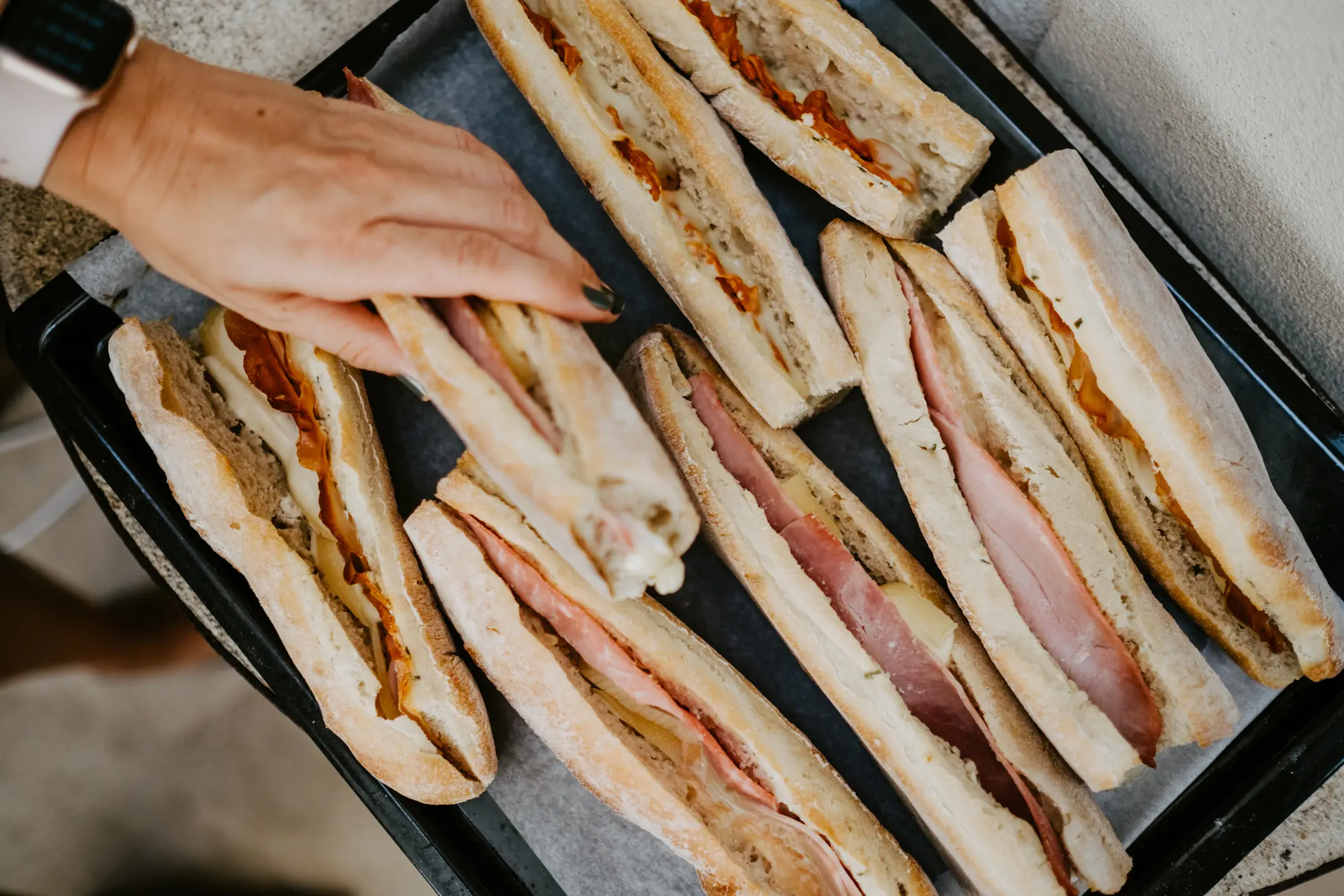
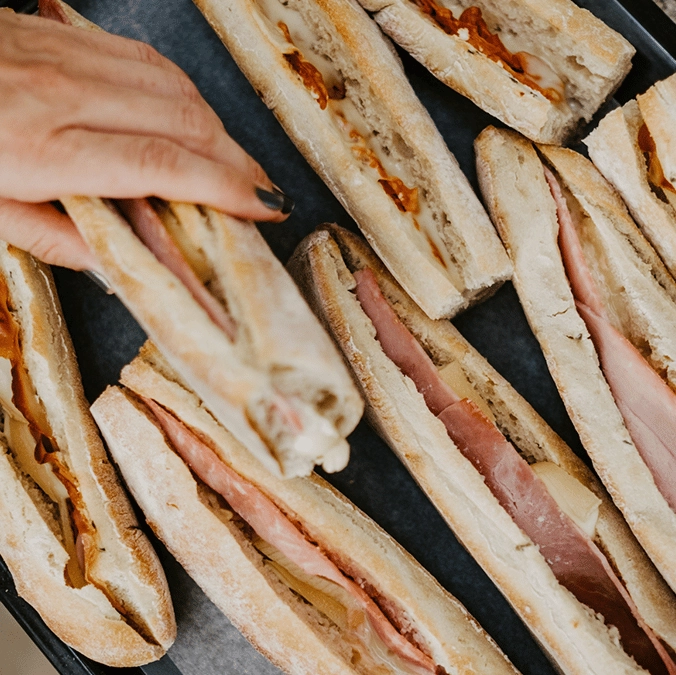
Processed meat is a 'known carcinogen', covering anything that has been smoked, cured, salted, or fermented. As this includes bacon, ham, deli meat, sausage, and hot dogs, you’ll want to rethink your luncheon meat.
Lowering your risk of getting any form of cancer is sure to be a benefit, but in terms of what kind of cancer red and processed meat puts you at risk of, the WHO notes that they're "linked to a higher risk of colorectal cancer."
Even more concerning, these meats are also thought to increase the risk of breast, pancreatic, prostate, and stomach cancer. While the WHO reiterates that more research is needed, this comes alongside a recent study finding that preservatives found in processed meats you’d typically slap on a sandwich have been linked to an increased risk of cancer and type 2 diabetes.
Red meat includes heme iron, which is shown to increase the risk of DNA damage and certain cancers.
This can then be exacerbated when cooked at a high temperature, when grilling, frying, or broiling, because these methods create compounds that are said to cause DNA changes.
As for processed meats, they contain the aforementioned nitrates and nitrites that can damage the DNA in our cells and lead to an increased risk of cancer.
We should probably listen to the WHO's advice, stating: "Both red and processed meat are high in saturated fats. Eating a lot of saturated fat can cause chronic inflammation and increase your risk of cancer. It can also increase your risk of having excess body weight, which can heighten your risk of cancer and other chronic diseases."
It's claimed that even eating 50g of processed meat a day can lead to an 18% increase in the chances of getting cancer.
The American Institute for Cancer Research and the American Society of Clinical Oncology conclude that we should avoid all processed meat, while also eating no more than 18 ounces (in three to four servings) of red meat each week.
This goes against what Secretary of Health RFK Jr.'s revamped guidelines suggest, but either way, now is an opportune time to jump on the Veganuary bandwagon.