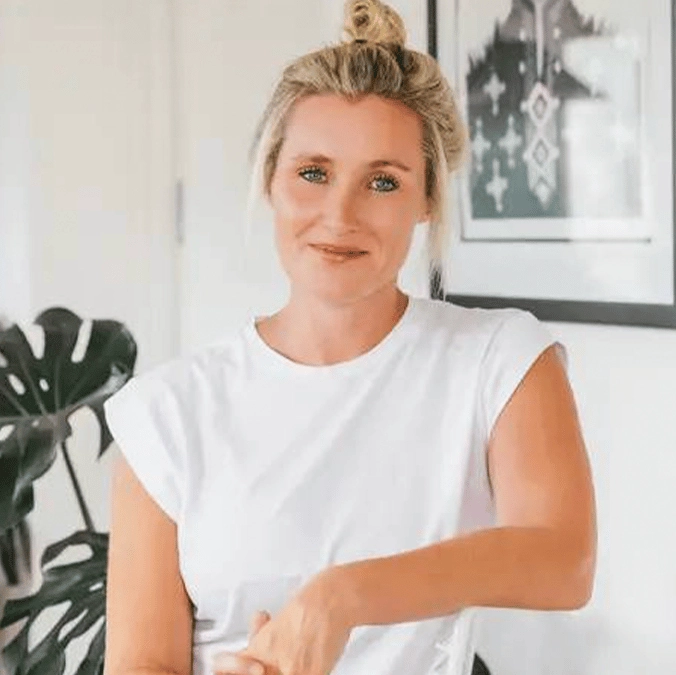
How woman born without a vagina discovered her condition at age 16

Learning about the birds and the bees is an important part of growing up, and whether you're taught by your parents, kids on the playground, or even the wide world of internet pornography, everyone has their own story.
It was a very different situation for Ally Hensley, a woman who was diagnosed with a rare condition where she was born without a vagina.
Hensley has revealed her health story and how she only realized she was different from most other women at the age of 16. Diagnosed with Mayer-Rokitansky-Kuster-Hauser Syndrome (MRKH), this congenital condition only affects a minuscule 1 in 5,000 women.
MRKH means you're born with an absent or underdeveloped uterus, an absent cervix, and a shortened vagina.
Advert
Just like any other woman would produce eggs and female hormones, ovaries are still present and function in those who are diagnosed with the condition.
Still, Ally thought something was wrong when she didn't get her period by the time she was 16. Although she visited doctors, she claims she was simply told she was a 'late starter' and repeatedly sent away.
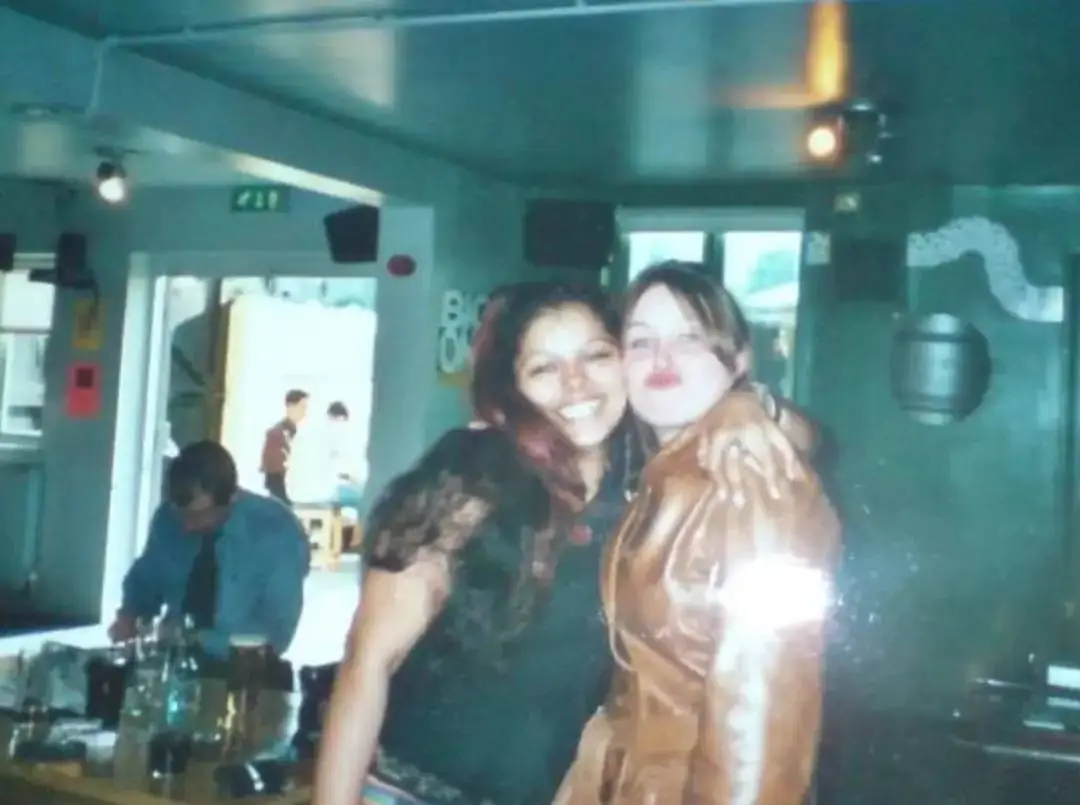
Expanding on her first time trying to have sex (via Tyla), Ally recalled: "In that period of nine months between those two appointments, I did attempt to have sex on a holiday in Greece with a very, very hot barman, and it didn't work.
"He gave it a good crack. But I couldn't work out why. You hear about things like 'maybe it's the hymen' or, you know, 'the cherry's not popping and all that kind of thing'."
After again returning to the doctor, Ally underwent an external scan when she realized something was wrong due to the medical professional's 'awful' look: "I just remember he was quite perplexed. It wasn't worrying, it wasn't dramatic, I was just quite confused. And then I went on to have an ultrasound, and then the sonographer - obviously they can't give you a diagnosis, but they did swiftly leave the room."
Having undergone a laparoscopy where a camera is inserted into the abdomen, Hensley then recounted when the doctor closed the curtain around the bed, unlike anyone else on the ward: "He drew, with a pencil on a piece of paper, what I had and more what I didn't have.
"But I didn't factor in how serious it was at the time it would just felt like white noise. I just couldn't comprehend it. I was coming around from anaesthetic, but my mom's face said it all looking back."
In terms of having penetrative sex, Ally was told she'd need to have a vagina created surgically, but even then, she still wouldn't be able to have children biologically.
Undertaking nine months of dilator therapy, she said it came with its own stigma.
Looking back on the whole ordeal, Hensley reflected that she felt a sense of 'numbness' for years: "I didn't have the ability to properly express myself, and I didn't actually know what I was trying to express. I just know that I was incredibly angry.I formed bad relationships and I massively misunderstood the difference between love, intimacy, and pleasure. I just thought sex was… sex! It’s quite tragic really."
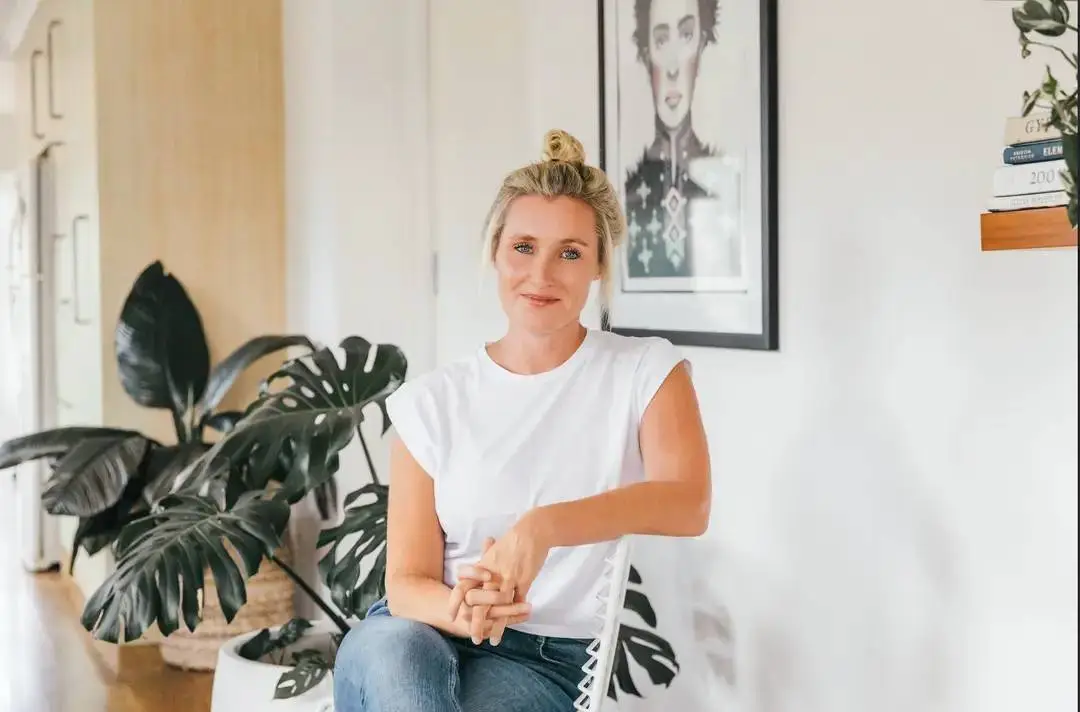
Thankfully, Ally has turned her diagnosis into a positive and has stood as a Board Trustee with MRKH Connect since 2021 to share her story and awareness.
She’s also released a memoir titled Vagina Uncensored: A Memoir of Missing Parts, trying to educate people on her MRKH.
Reiterating that 'vagina' shouldn't be a dirty word, Ally continued: "I just knew that I didn't want anybody to go through what I had gone through, and that we need to start shining a light on MRKH - but we also need to start shining a light on women's health, especially when it comes to stigma and taboo."
"It's lovely because MRKH is a part of my life, but it's not my life, it's not my identity. So I'm in this really wonderful, really great place where I feel quite liberated from it.
"I know my worth. I hold firm boundaries between good and not-so good people. I am eager to see what happens next for me."
With her parting words, Hensley concluded: "When shame gets into your bloodstream, it can take forever to get out. I don't blame myself, and I don't take it on board of it being personal. I actually think probably my greatest achievements have been as a byproduct of this diagnosis."