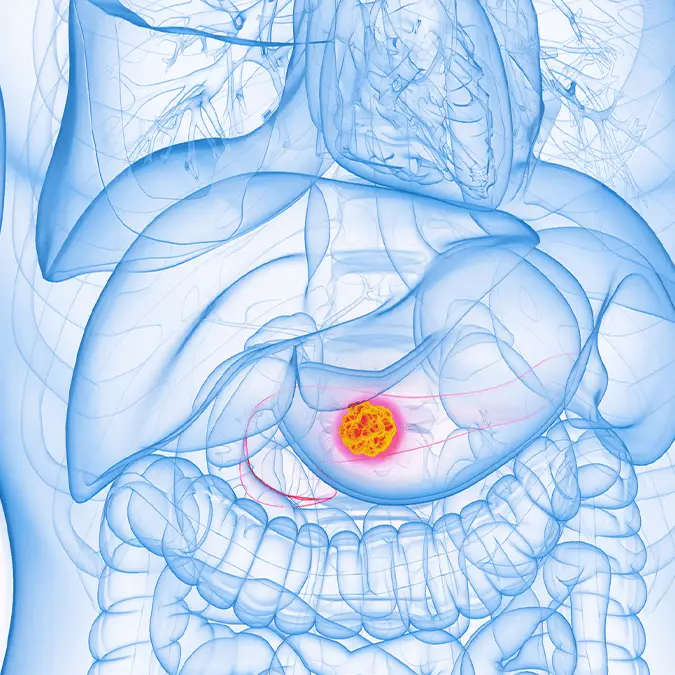
Pancreatic cancer symptoms explained as research for cure hits major milestone


It's one of the biggest killers in the world every year, and with one in six people still dying from cancer, scientists around the world continue to strive for a one-size-fits-all 'cure'. In the US alone, lung cancer is thought to be the biggest killer, typically exceeding the combined deaths of breast, colorectal, and prostate cancers.
While the World Health Organization says most cancers can be treated and cured if they're detected early enough, lifestyle choices like smoking, alcohol consumption, and high BMI all contribute.
Despite only being the 12th most common type of cancer globally, pancreatic cancer is one of the deadliest and was responsible for 510,992 people being diagnosed in 2022. Of that number, a shocking 467,409 died from it.
Still, a recent 'breakthrough' involving pancreatic tumour regression has brought the subject back into the mainstream and highlighted the symptoms people should be looking for.
What is the breakthrough with pancreatic cancer?
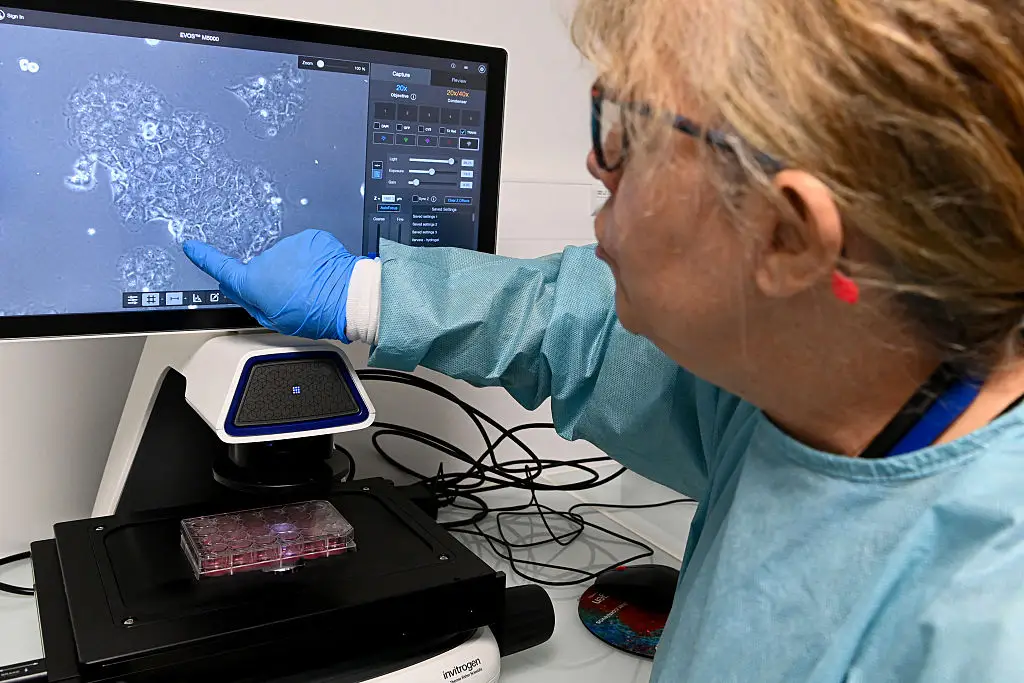
Thanks to research led by Mariano Barbacid and the Spanish National Cancer Research Centre (CNIO), it appears possible to eliminate pancreatic cancer tumours in mice, while also stopping them from recurring, thanks to triple combination therapy.
Advert
The study was published in Proceedings of the National Academy of Sciences (PNAS) journal, referring to the three drugs as daraxonrasib, afatinib, and SD36. In particular, the latter is said to be crucial in avoiding tumor resistance.
With pancreatic cancer known as a particularly aggressive form with a high resistance, the triple-drug approach appears to fight three of a tumor's survival mechanisms at the same time, supposedly 'rewiring' it so it loses its defense capabilities.
That's all well and good in fighting pancreatic cancer, but as Rima Horton reiterated, timing is still key to tackling it in the first place.
What are the symptoms of pancreatic cancer?
According to John Hopkins Medicine, pancreatic cancer starts in the ducts, which represent over 90% of all diagnoses.
Patients might experience a 'dull pain' in the upper abdomen or upper back, which is caused by a tumor pressing against the spine. Pain can be worse when lying down and could be relieved by leaning forward, although it's important to note that pain differs between people.
Even though pancreatic cancer is often wrongly attributed to gastrointestinal issues or stress, jaundice is a major symptom to look out for. We're told to check for yellowing of the skin and eyes, dark urine, greasy stools that float, and itchy skin. This is caused by a tumor blocking the bile duct.
Other symptoms include unintentional or significant unexplained weight loss, excessive fatigue. GI issues like indigestion or vomiting, and bloating or swelling in the abdomen.
Finally, late-onset diabetes without an obvious cause could be a sign of pancreatic cancer.
We're reminded that pancreatic cancer is known to destroy the cells that make insulin, and as blood sugar levels rise, new and suspicious diabetes should be evaluated as a way to rule out pancreatic cancer.
As John Hopkins Medicine reiterates: "Catching pancreatic cancer early is challenging because patients rarely experience the signs of pancreatic cancer until the disease has progressed or spread."
Apparently, the location of the tumor can also be critical, with symptoms like jaundice linked to tumors on the head of the pancreas, whereas pain and weight loss are typically connected to the tail or body of the pancreas.
Obviously, don't rely on Google for self-diagnosis, as it's important to seek the advice of a medical professional as soon as possible.