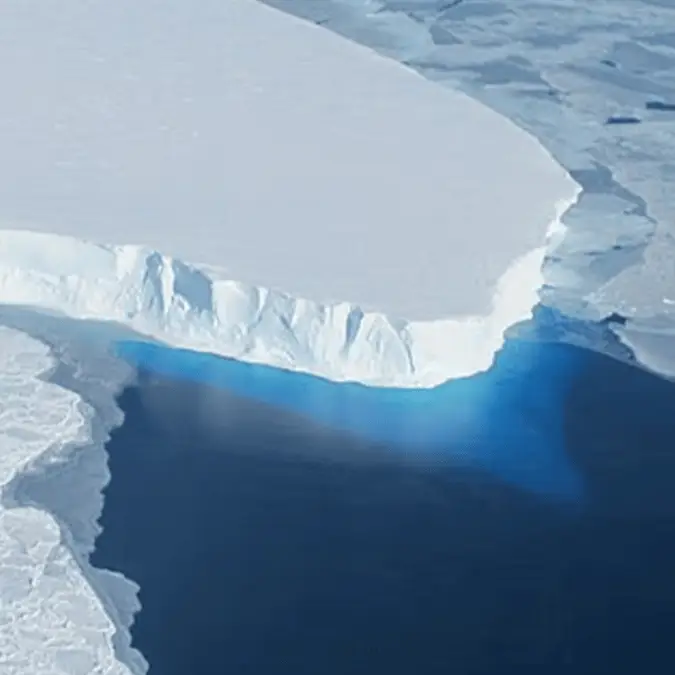
Scientists are about to drill into 'the most unstable glacier on planet Earth' dubbed 'Doomsday glacier'


While it might seem like a frightening prospect, scientists are just about to drill into what's considered to be the 'most unstable' glacier int he world for good reason, as they aim to expose a frightening truth behind what's referred to as the 'Doomsday glacier'.
Scientists are doing everything they can to curb the effects of global warming and put a halt to climate change, yet we're edging dangerously close to what experts are calling a climate 'tipping point' that would cause the irreversible decline of our planet.
Much of the damage being caused is man made – or of human origin, like the mass pollution produced by the richest few – but there are some natural phenomenons that continue to confuse scientists, and figuring them out could be vital to achieving progress on the climate front.
As reported by the Daily Mail, one such of these revolves around a significant mass of ice in West Antarctica referred to as the 'Doomsday glacier', and scientists are now planning to drill straight into it despite the risks that would come with a potential collapse.
Advert
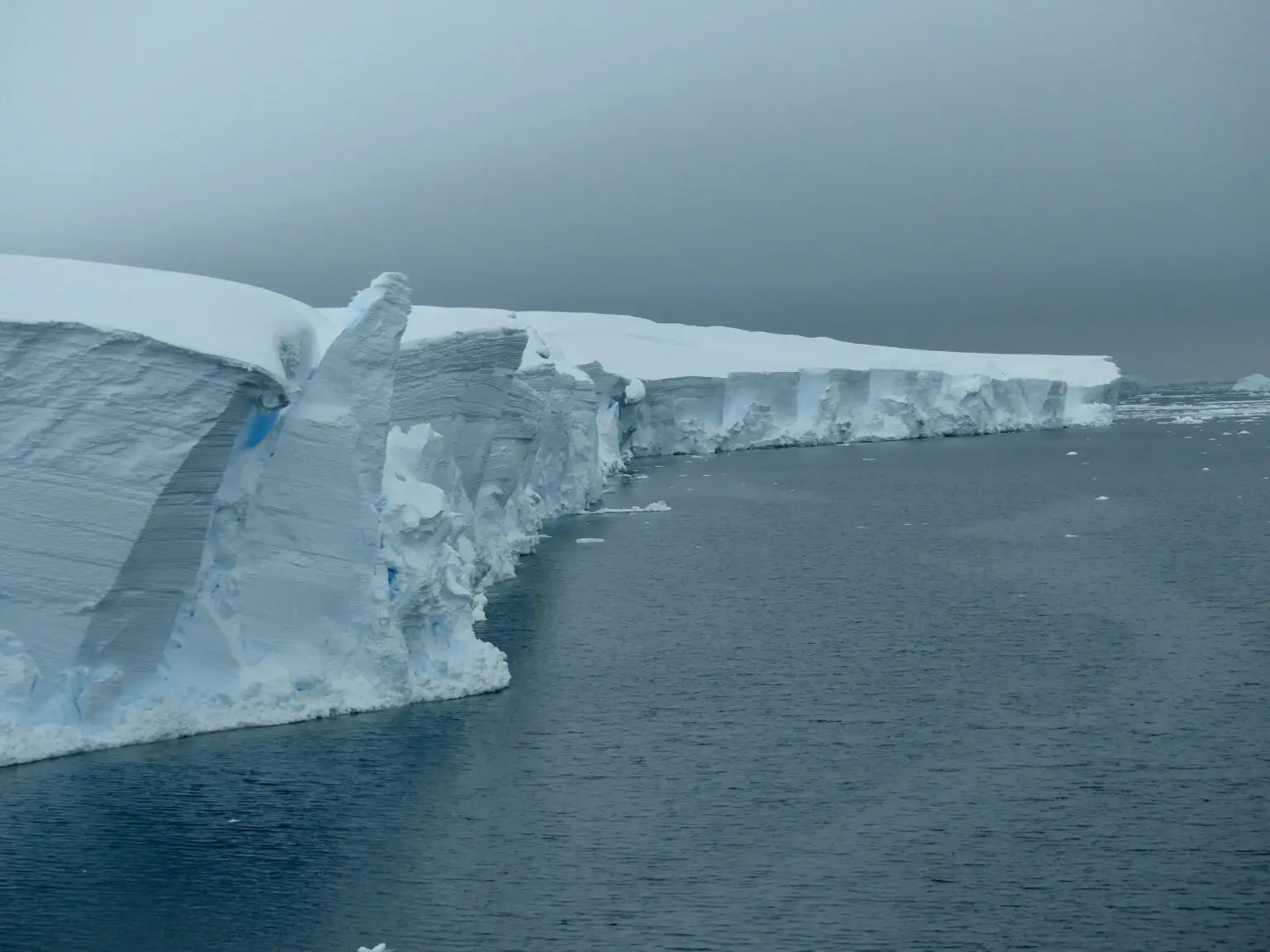
Measuring roughly the size of the United Kingdom in its entirety, the Doomsday glacier is widely understood to be the most unstable of its kind across the world, most notably because its collapse would cause a global sea-level rise of around 2.1 feet which would be unprecedented.
While that might not seem like much in the grand scheme of things, it would be enough to cause significant damage to coastal cities, and potentially even plunge some underwater in extreme cases.
You might be wondering why scientists would risk tampering with such a dangerous prospect then, and it all centers around an alarming natural phenomenon that appears to be melting the gigantic ice structure from below.
Scientists have no idea why this is happening and if it's left to continue it'll only be a matter of time before the glacier breaks apart and contributes to dangerous sea-level increases, so the process of drilling should hopefully find some answers before it's too late.
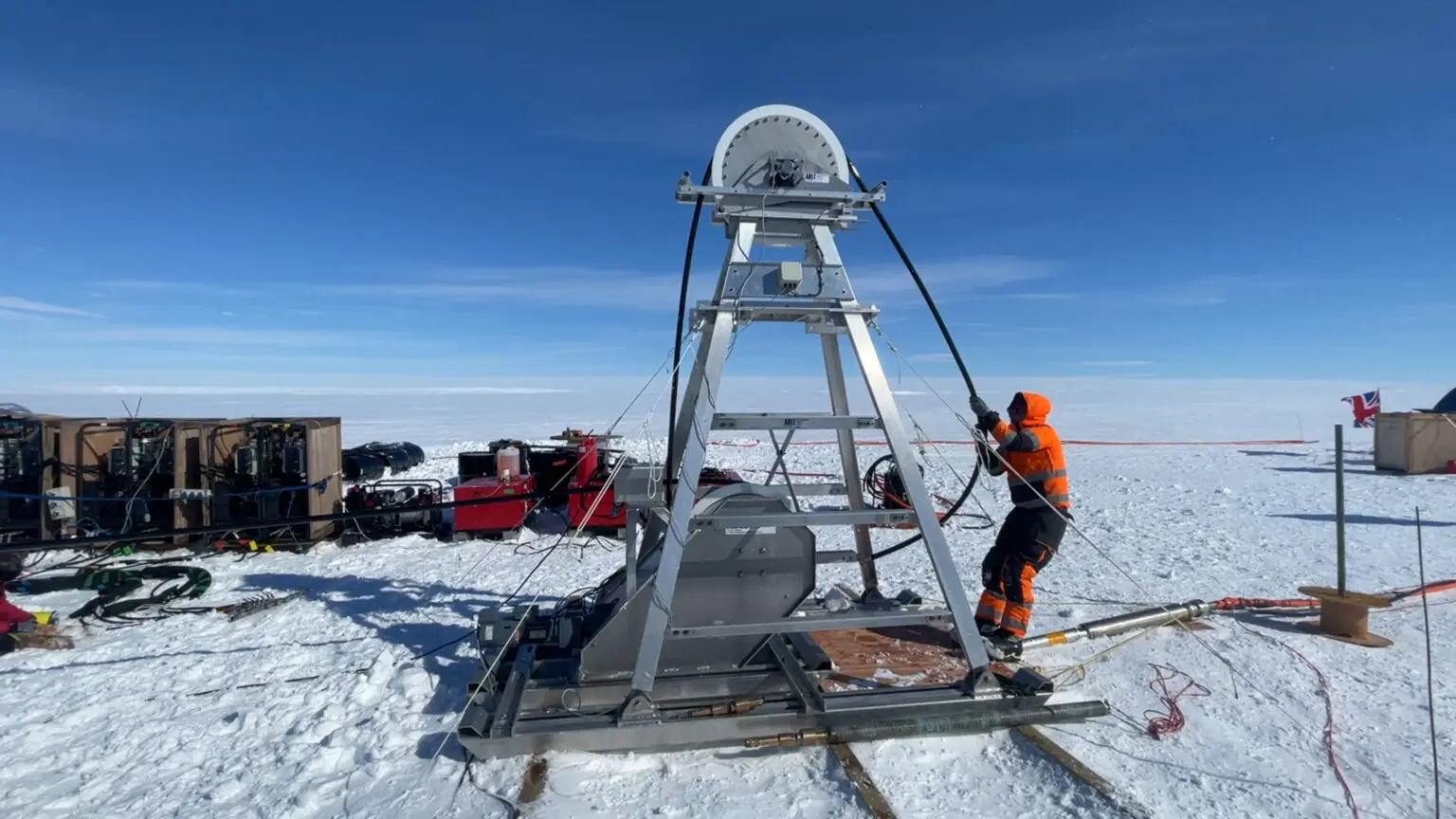
The British Antarctic Survey (BAS) has now sent a team of researchers to conduct the drilling process, in which they will use hot water to create a continuous pathway through the ice where instruments will be deployed to monitor the situation.
"This is one of the most important and unstable glaciers on the planet," explained Dr Peter Davis, a physical oceanographer at BAS, adding that the research will make it so that "we are finally able to see what is happening where it matters most."
Dr Won Sang Lee, the expedition's leader from the Korea Polar Research Institute (KOPRI), noted that the journey began with no assurance that they'd even reach their destination, "so to be on the glacier and getting ready to deploy these instruments is testament to the skills and expertise of everyone involved from KOPRI and BAS."