
Lab worker who died may require metal coffin with disinfectant-soaked material


Following the death of a Russian lab worker, 200 people who had been in contact with her were quarantined after fears grew that her death could have been related to her work as a plague research institute.
Now, reports suggest that 28-year-old Daria Shipilova might need to be buried in a metal coffin with disinfectant-soaked material to avoid any risk of an outbreak.
This comes despite statements from Russian authorities that there is currently no evidence linking her death to her work at the institute and from the World Health Organization (WHO), which stated that, based on available information, ‘the public health risk to the general population appears to be low’.
The WHO added that it would carry out further risk assessments as more information becomes available.
Advert
According to a report by AOL, if the worker is suspected to have died of the plague, then Russian rules state that the body should be ‘wrapped in material soaked in disinfectant, treated with calcium hypochlorite or chloramine’ and then placed into a metal coffin or a tightly fastened wooden coffin that is also lined with an impermeable material.
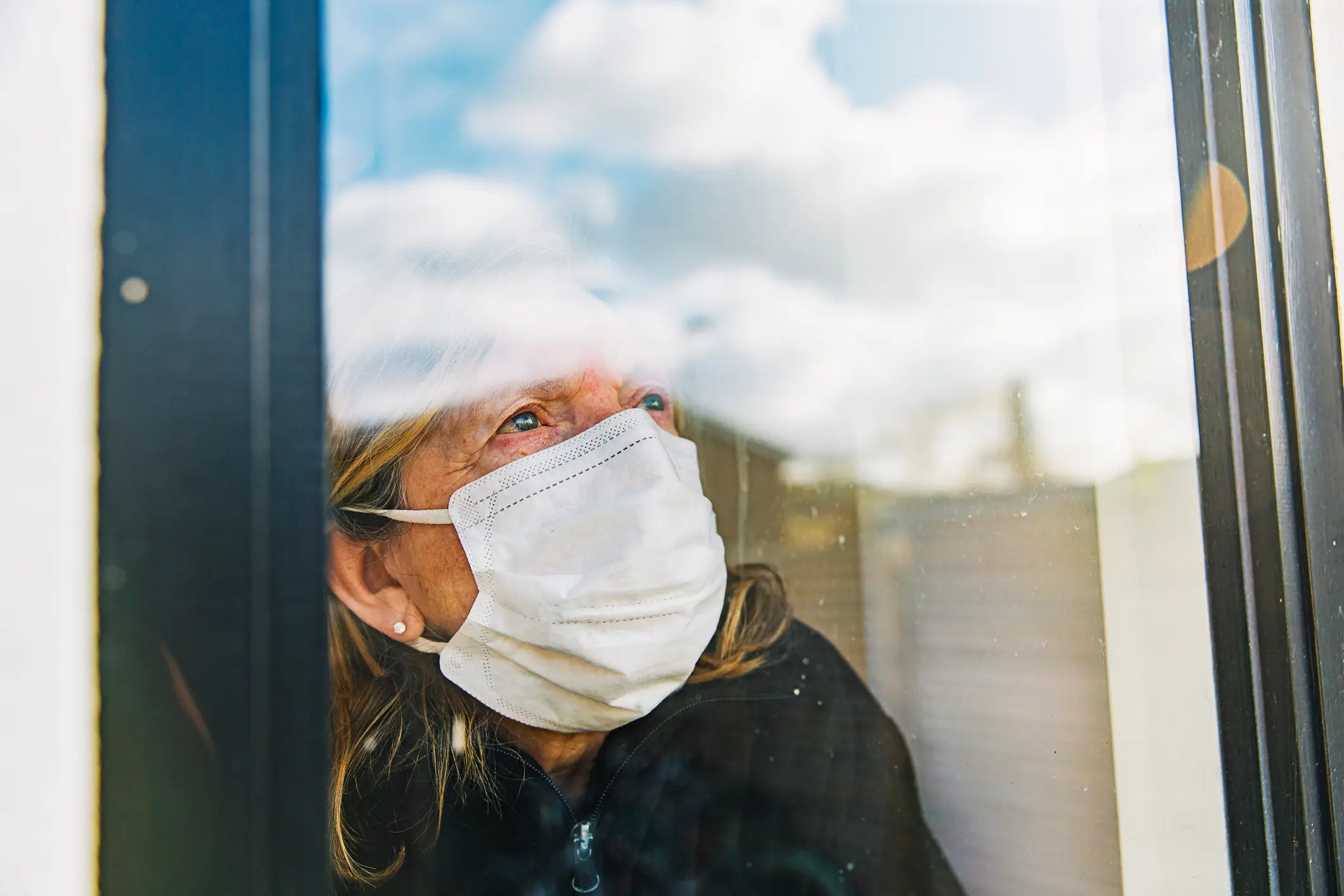
Shipilova had been employed at the Irkutsk Anti-Plague Research Institute of Siberia and the Far East when she became unwell before dying in the Irkutsk region, with officials having described her cause of death as pneumonia of unknown origin..
Rumors began to circulate that it could have been connected to an accident involving plague bacteria at the facility.
The situation prompted a serious public health response, resulting in around 200 people being quarantined or placed under medical supervision, as well as parts of the hospital where she died being cordoned off.
Public response to plague lab worker’s death
There has been a lot of public discourse over the incident, with even President Donald Trump weighing in as he told the press: “Well, I hate to see them having it, it’s a rough disease.”
The president added: “We’ll help. Anybody that has that kind of a problem, we’re always willing to help.”
US Secretary of State Marco Rubio also confirmed that the US government is closely following the situation.

However, authorities have since stressed that none of the findings so far establish a connection between the woman’s death and plague.
Public concerns about a possible outbreak of the disease is due to its extremely serious nature when left untreated.
Plague has been present in Siberia for thousands of years, with researchers previously identifying the region as the location of the oldest known prehistoric human outbreak.
While it can become fatal without treatment, the plague can be treated with antibiotics when it is diagnosed promptly.