
WHO urges governments to act now as everyday drinks are linked with fatal disease


Governments have been urged to act by the World Health Organization (WHO), as the increased consumption of certain everyday drinks across the world could prompt an uptick in a fatal disease.
You'd be surprised how many 'normal' items of food and drink are linked to serious health issues down the line, as you don't necessarily need to have a smoking habit or be prone to excessive drinking to put your body at risk.
Major health bodies have already outlined the dangers associated with one popular type of meat often consumed at lunch, and four other major types of food and drink have been revealed as possessing an above average cancer risk.
Now, the WHO has issued a plea to governments across the world, urging them to raise taxes on certain types of drink as they're 'fueling' a rise in alarming health conditions including a notably fatal disease.
Advert

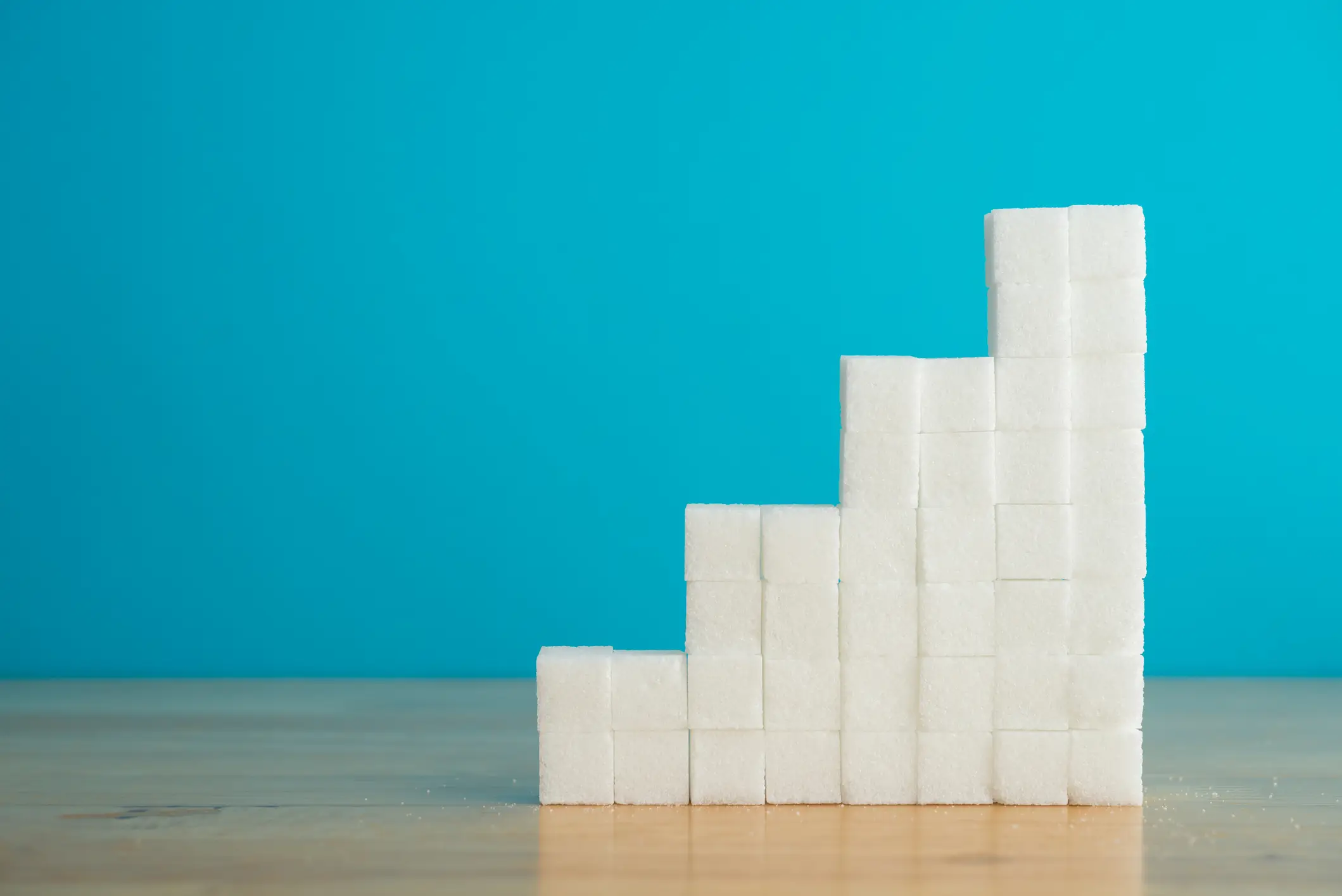
Shared in a press release from the organization itself, the Geneva-based health agency has revealed that low tax rates for sugary drinks in most countries is causing an uptick not just in obesity, but in heart disease and cancer — most notably in children and young adults.
According to data from the Obesity Evidence Hub, sugar taxes in places like the United Kingdom, Mexico, and South Africa have not just reduced sugar consumption from sugar-sweetened beverages (SSBs), but have even reduced the amount of sugar in those beverages from the manufacturers themselves.
That's still not enough, however, according to the WHO, as two new global reports reveal that harmful products are still too cheap, which causes financial pressure on health systems trying to deal with the increase in 'preventable noncommunicable diseases and injuries'.
WHO Director-General Dr Tedros Adhanom Ghebreyesus indicates that "health taxes are one of the strongest tools we have for promoting health and preventing disease," adding that "by increasing taxes on products like tobacco, sugary drinks, and alcohol, governments can reduce harmful consumption and unlock funds for vital health services."
Part of the issue appears to come from the narrow aim that sugar taxes take when targeting certain types of drinks, as while at least 116 countries worldwide have a type of tax on SSBs, these are typically limited to soda-type drinks.
Fruit juices, sweetened milk drinks, and ready-to-drink coffees and teas often escape existing forms of taxation, yet they still posses an alarming amount of sugar that is contributing to wider health issues.