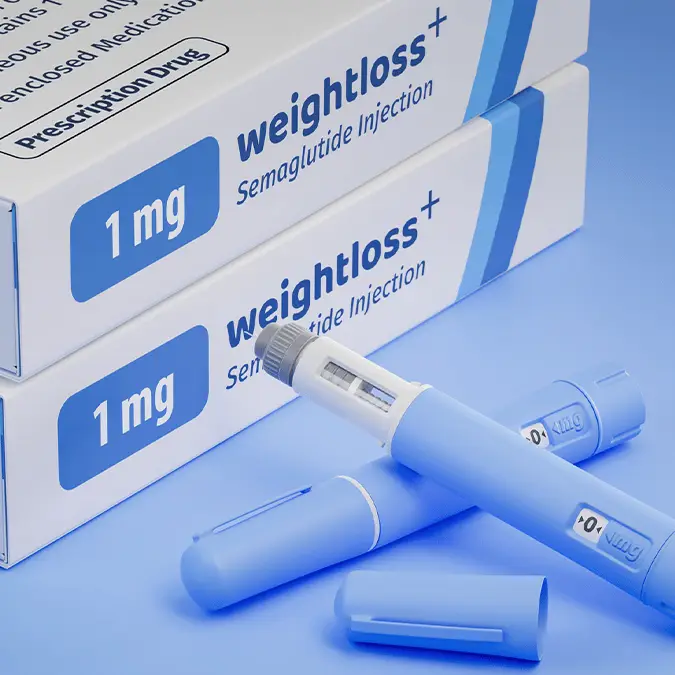
Doctors warns Ozempic users of 'tsunami' of symptoms they'll face when stopping weight-loss drugs


Doctors warn that Ozempic users could face a 'tsunami' of symptoms when they stop taking weight-loss drugs.
Weight-loss drugs like Ozempic and Mounjaro are a recent hot topic in the medical world, but it's been difficult for scientists to properly assess their long-term effects on people.
While some research shows miraculous benefits, including potential cancer treatment in some instances, side effects are only now becoming apparent. These can range from nausea, skin and teeth changes, 'Ozempic breath' to genital changes, and even mental health issues. But now users are speaking out about the side effects after they stop taking the medications.
"It's like a switch that goes on, and you're instantly starving," said Tanya Hall, who stopped taking WeGovy.
Advert
Tanya works as a sales manager for a large fitness company and, as she was overweight, felt like an 'imposter' and that her opinion was not valued by her industry because of her size, according to the report.
After using the jabs, she said people would approach her and congratulate her on her weight loss. However, during the first few months of the treatment, Tanya struggled to sleep, felt sick all the time, suffered headaches and even began losing her hair.
But regarding her weight, she was getting the results she'd hoped for, adding that she 'lost about three and a half stone.'
More than 18 months into taking Wegovy, she's attempted to stop the drug several times. The experience ultimately triggered a complete lifestyle transformation.
“It was like something opened up in my mind and said: 'Eat everything, go on, you deserve it because you haven't eaten anything for so long',” she recalled.
As per the report, Tanya is staying on the medication and is fully aware of the pros and cons of this decision.
"There's part of me that feels like there's an addiction to keep it going because it makes me feel the way that I feel, it makes me feel in control," she said.
UK-based Lifestyle GP Dr. Hussain Al-Zubaidi spoke out about stopping weight loss drugs, telling the BBC that the experience can feel like 'jumping off a cliff.' He believes patients should consult a healthcare provider to determine proper dosing and that 'side effects should be taken into account as part of this.

He explained: "I often see patients who will come off it when they're on the highest dose because they've reached their target, and then they stop."
According to Dr. Zubaidi, that can be like being hit by an 'avalanche or a tsunami' with food cravings returning as quickly as the next day.
Evidence suggests that between one and three years after stopping the medication, people will regain a 'significant proportion of weight,' Dr. Zubaidi revealed. "Somewhere in the region of 60% to 80% of the weight that you lost will return."
He added: "It's all about having an exit strategy. The question is: what are these people's experiences once they come off the injection?"
The National Institute for Health and Care Excellence (NICE) recommends that patients receive at least a year of advice and personalised action plans after stopping treatment. This support would help them adopt sustainable lifestyle changes that help keep the weight off and, ultimately, maintain a healthy wellbeing.