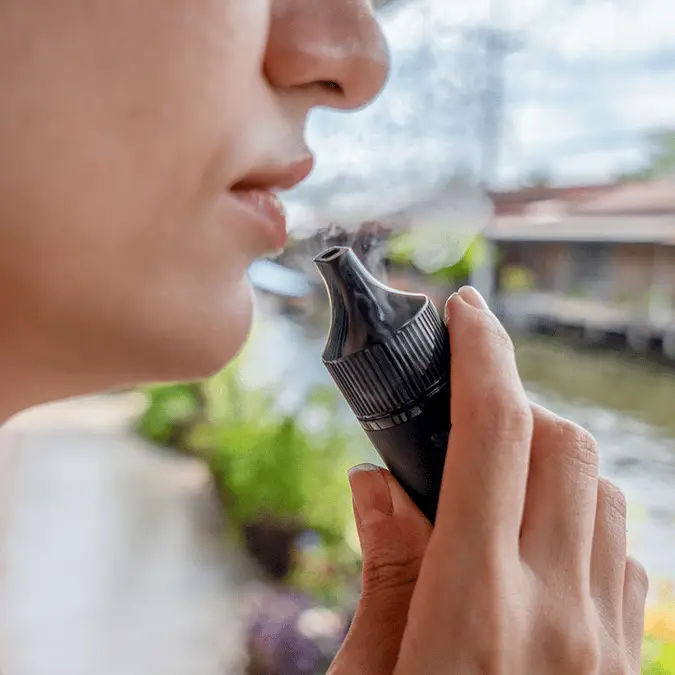
Vape warning issued after study shows popular flavor destroys developing cells


Doctors have issued a major warning surrounding the ingredient used to create vanilla flavorings in vapes and e-cigarettes, as research produced by a shocking study indicates that it destroys developing cells within the body.
This is particularly dangerous for pregnant individuals and women trying to have a baby, as even in low doses it appears to cause early-stage cells to halt their development into all cell types.
Research conducted by scientists at the University of California, Riverside, as per TeessideLive, indicates that higher doses – which anyone vaping has the potential to encounter – can completely kill the cells, leading to significant issues for unborn children still developing in the womb.
The ingredient in question is known as vanillin, and while it is most commonly associated with vanilla flavorings, it is frequently employed as a flavoring agent in e-cigarette fluids.
Vanilla vape flavors can cause damage to developing cells
While the damage to the health of the average vape user remains relatively unclear at this stage beyond the general issues associated with vaping and the use of e-cigarettes, researchers have made a concrete link between the consumption of vanillin and the compromise of "core processes of early human development."
Advert

Explaining why vanillin initially became a target, lead author Professor Prue Talbot illustrated:
"We focused on vanillin because it is frequently used in e-cigarette fluids, it is often used at high concentrations, and because we knew that embryonic cells had a channel called TRPV4 on their surfaces that would likely bind with vanillin."
She added that the changes observed in the study "are potentially very serious and could prevent normal development of embryos," warning that the data predicts "that nanomolar concentrations of vanillin may reach the embryo in pregnant women who vape."
Scientists call for action from regulators
As a result of this potentially dangerous discovery, the scientists have called on regulatory bodies to force clearer disclosure of ingredients like vanillin on vape packaging in order to help people avoid the issues that might arise.
"Clinicians should counsel patients who are pregnant or planning pregnancy about this potential harm," the researchers urge, adding that "regulatory agencies should consider mandatory ingredient disclosure on EC packaging."
Professor Jacob George, an expert on cardiovasulcar medicine at the University of Dundee, agreed that there needs to be a greater level of regulation surrounding certain flavorings for vapes.
"Many researchers including myself have been calling for the limiting of flavors in vapes and for further research to be done on the impact of flavorings," he asserted.
"Whilst nicotine-containing vapes are seen as a harm reduction measure compared to tobacco cigarettes, the presence of unregulated chemicals in flavorings is a concern that needs to be addressed," Professor George continued.
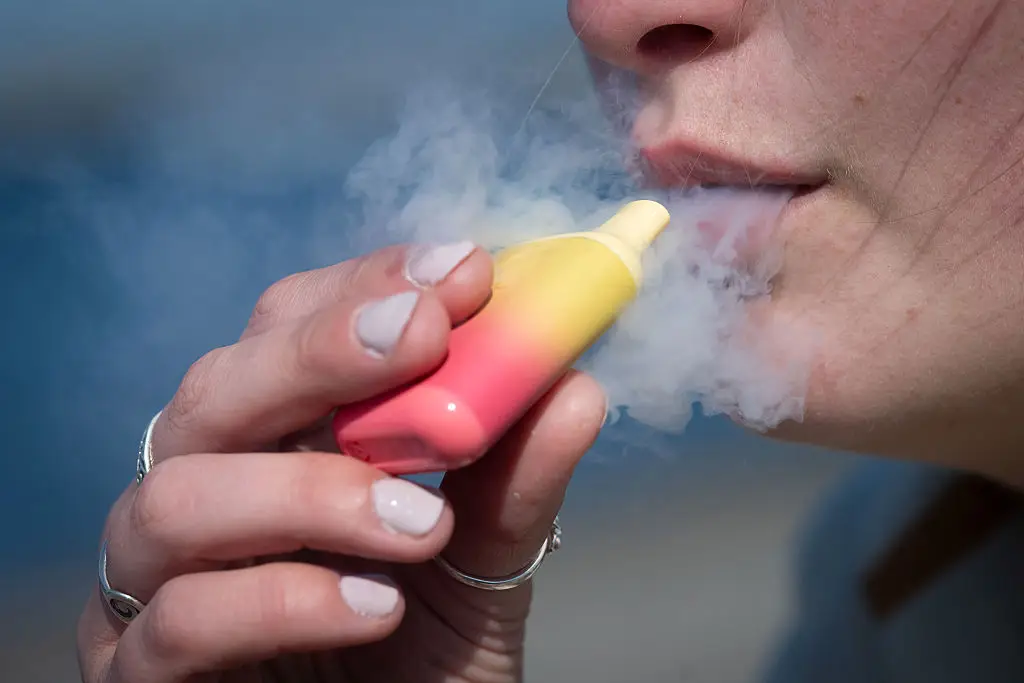
That joins the additional worries that some government bodies have about the dangerous appeal of flavored vapes – especially those with brightly-colored packaging – as it draws the attention of children and younger individuals who are disproportionately impacted by the harm associated with the habit.