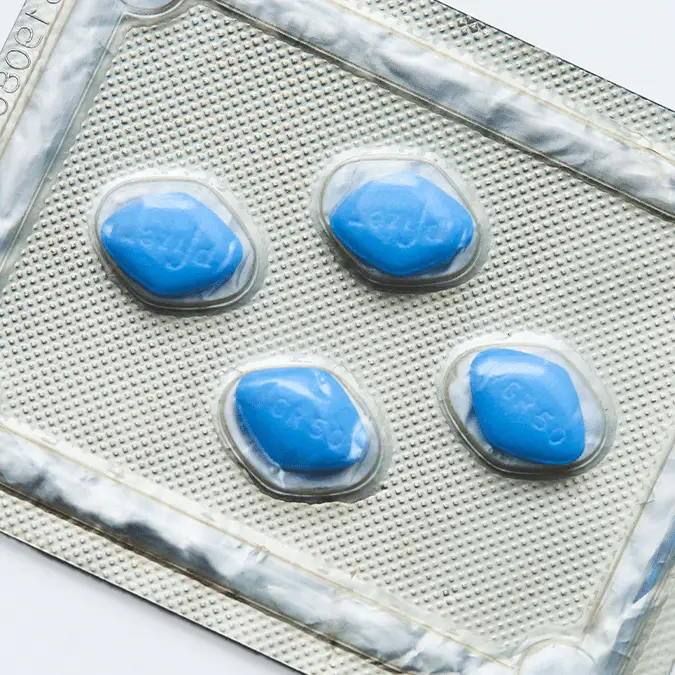
Viagra shows surprising impact on cancer in new study


Most people are already unaware that sildenafil – better known as Viagra – originally was designed to serve a different purpose to its current sexually-enhancing abilities, yet scientists have recently discovered another potentially game-changing use for the drug, and it relates to the disruption of cancer spreading throughout the body.
Research revealed by the National Cancer Institute, published in the American Association for Cancer Research, indicates that sildenafil – and other similar PDE5a inhibitors – have the potential to reduce cholesterol bioavailability and impair cancer cell migration and metastasis.
While it won't do anything to stop cancer from forming within the body – as that task remains one of the most important yet challenging questions in the science world – yet it could prove to be a vital tool in preventing the damage that cancer and developing tumors can cause to your health.
How could Viagra help fight cancer?
As reported by Gizmodo, tests involving Viagra on both mouse and human cancer models has shown that the drug directly inhibits the cancer cells' ability to use cholesterol, significantly reducing the potential for spread and continued growth throughout the body and consequently lessening the impact.
This process of spreading – referred to scientifically as metastasis – appears to be directly impacted by the reduced availability of cholesterol as a result of the inhibition of phosphodiesterase type 5 (PDE5), which in turn prevents the body from breaking down the 'cGMP' molecule.
Advert

"The resulting cholesterol depletion disrupted membrane lipid rafts and mitochondrial bioenergetics, thereby limiting metastatic capacity and triggering compensatory SREBP2 activation with increased cholesterol synthesis," the study outlines.
As a result, scientists have evaluated that "analysis of digital health records demonstrated significantly improved survival among sildenafil users, with a dose-dependent additive benefit observed when combined with statins.
"Together, these findings identify increasing cGMP levels through PDE5a inhibition as a potential strategy to restrict metastasis and offer a potential mechanistic basis for the beneficial effects of sildenafil," concludes the research.
In a statement published by the Weizmann Institute of Science, the study's lead author Ayelet Erez outlined that "this pathway can be harnessed to interfere with the ability of cancer cells to form metastases."
What was Viagra originally designed for?
While its primary purpose now is to help people dealing with erectile dysfunction – with the increased circulation of cGMP causing blood vessels to remain dilated for a longer period of time – sildenafil was originally intended to be used for angina pectoris, otherwise known as heart-related chest pain.
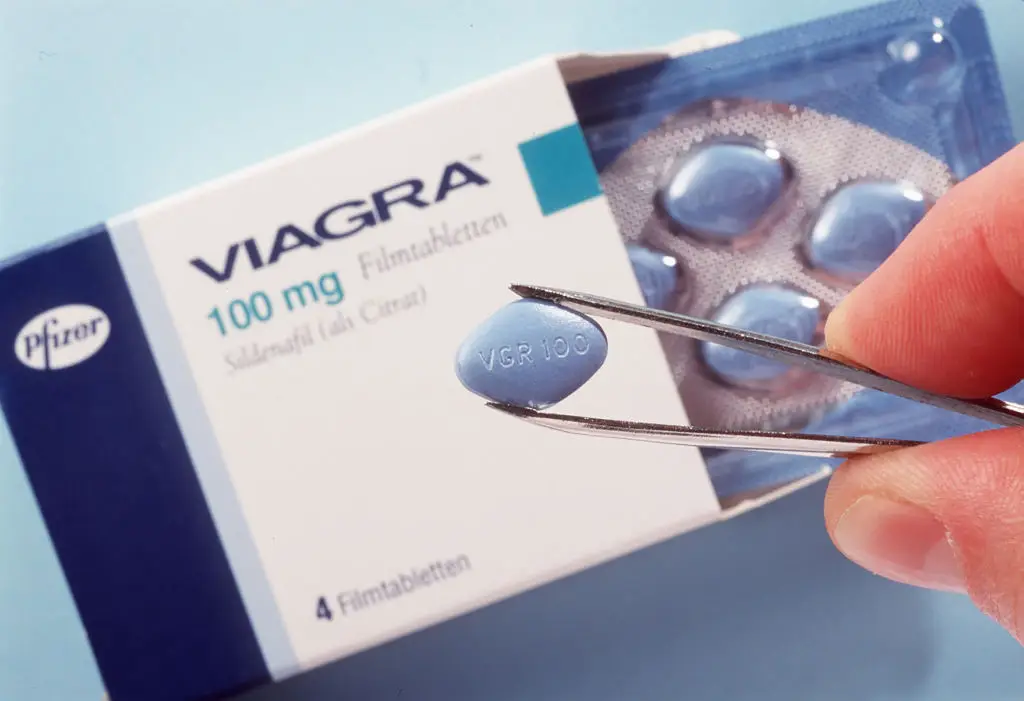
This was due to the same relaxation of blood vessels which would consequently improve the flow of blood to the heart, although clinical tests showed that this was largely ineffective.
What researchers didn't expect, however, is that another use would suddenly appear almost out of thin air, as human test patients started reporting erections as a side effect of the drug, leading to its common purpose today.