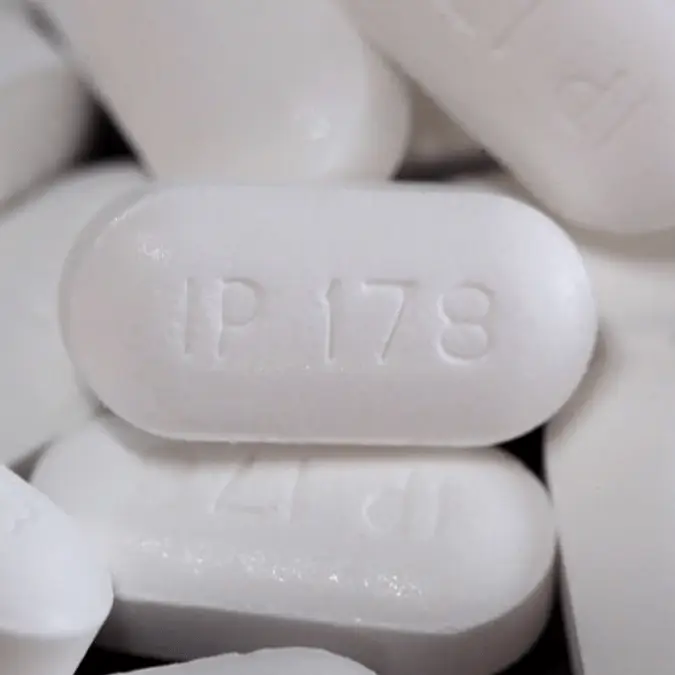
Prescription drug taken by millions has distinctive health benefit uncovered in new study


Most of us take medications without giving them a great deal of thought beyond what they were prescribed for.
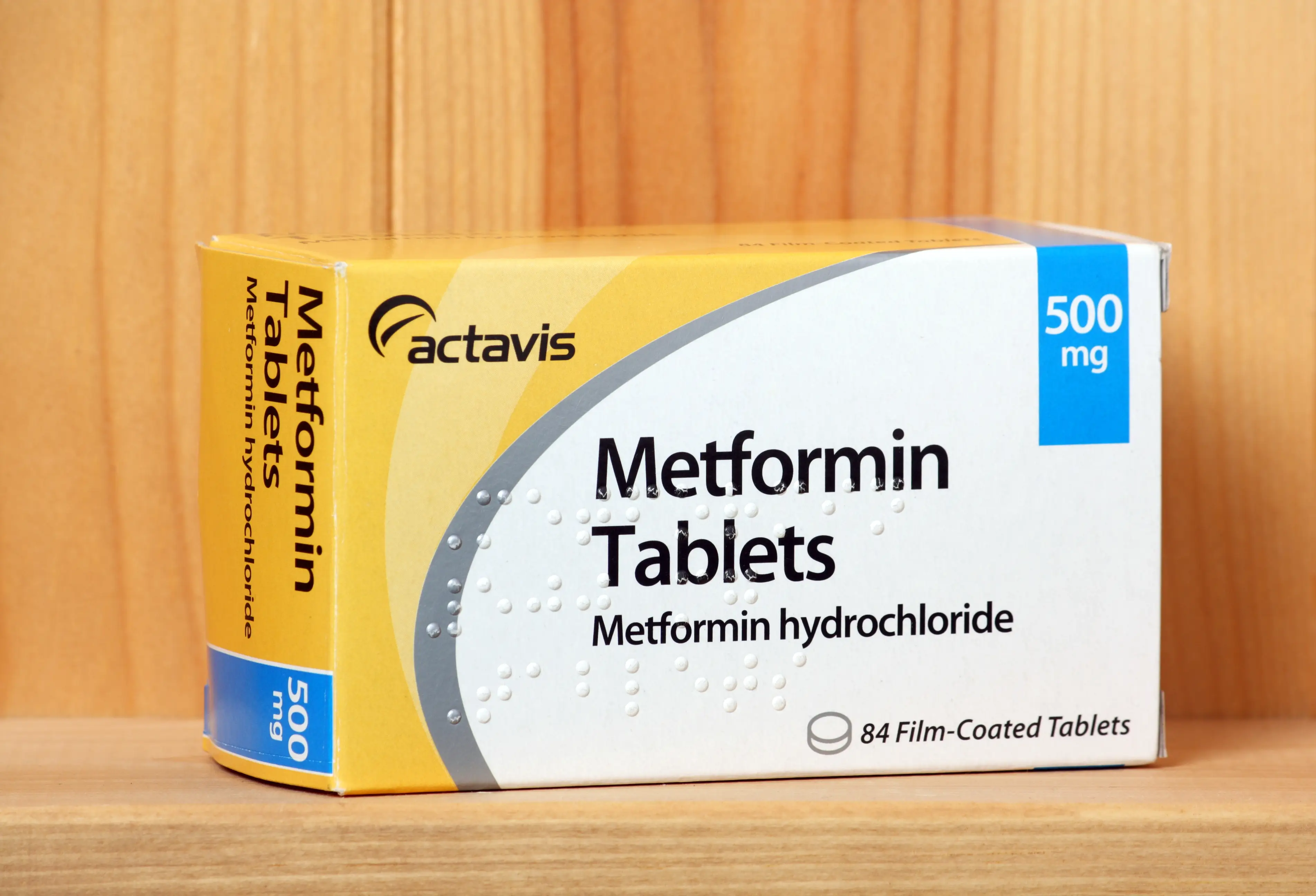
Metformin is one of the most widely used prescription drugs in the world and a popular option for people in the UK.
Now, a new study has revealed an unexpected health benefit to the medication.
What is metformin?
Primarily prescribed to treat type 2 diabetes and gestational diabetes, metformin is also used to help prevent type 2 diabetes from developing in people considered high risk. The drug works by improving the way the body handles insulin, which in turn lowers blood sugar levels.
In some cases, metformin can be used to improve fertility in women who suffer from polycystic ovary syndrome (PCOS) by improving ovulation and encouraging regular periods, the NHS reported.
Advert
What is the unexpected health benefit of metformin?
According to scientists at the University of Miami Miller School of Medicine’s Sylvester Comprehensive Cancer Centre, metformin might activate some of the same biological pathways that are normally associated with exercise.
The study found that the medicine increased levels of a naturally occurring molecule linked to energy balance, calorie burning and weight regulation in patients with prostate cancer. This means for men who can't exercise due to their prostate cancer treatment, metformin could trigger a metabolic response that’s linked to calorie burning and weight loss during a workout.
“From a clinical standpoint, seeing a metabolic signal that mirrors what we associate with intense exercise was striking," said first author Dr Marijo Bilusic. “For patients whose treatments or symptoms limit physical activity, that kind of effect could be especially meaningful.”
The researchers stressed that the findings don't suggest that medication can replace exercise, but they offer new insights into how metabolic signals play a role in the body during cancer treatment.

What are the side effects of metformin?
As with any medication, metformin comes with a list of potential side effects to be aware of. Both the NHS and Diabetes UK recommend taking it with food to help reduce the risk of nausea.
Other commonly reported side effects affecting more than 1 in 100 include vomiting, diarrhoea, stomach pain, loss of appetite, and a metallic taste in the mouth.
If taken over a long time, metformin can lower levels of vitamin B12 - an important nutrient that helps keep red blood cells and nerves healthy. The NHS recommends taking vitamin B12 supplements to help in this case.
Meanwhile, severe side effects of metformin are rare and affect less than 1 in 10,000 people, but are still important to be aware of.
The NHS advises contacting 111 or your doctor immediately if you experience severe tiredness, fast or shallow breathing, feeling unusually cold or a slow heartbeat while taking metformin. Yellowing of the skin or the whites of the eyes should also be reported, as this can indicate a problem with the liver.
In very rare cases, some patients may experience a serious allergic reaction to the medicine. If you notice sudden swelling of the lips, mouth, tongue or throat, or have difficulty breathing, call 999 immediately as these can be signs of anaphylaxis.
As always, seek advice from a healthcare professional if you have any concerns about a medication you're taking.