
Extreme health checks athletes have to go through before entering 'steroid olympics'


The Enhanced Games are just around the corner and many are intrigued to see how athletes are pushed to their limit during what's often referred to as the 'steroid olympics', but you might be unaware of the extreme health checks that each participant has to undertake before entering their designated event.
Most sportspeople see the Olympics as the pinnacle of their chosen discipline, and few things can compete with the achievement of earning a gold medal on the world's stage.
However, reaching the Olympics – let alone setting foot on the podium – requires a balance of hard work and natural skill that only a select few can achieve, leading some to seek other methods to close the gap or eek out that last percent to push ahead of their competitors.
The most common way people do this is through performance enhancing drugs — and these are rightfully banned in the name of fair competition by anti-doping agencies.
Advert
Yet, what if there was a space where athletes were free to maximize their performance through artificial means, seeing what the real limits of human performance can be?

That's where the Enhanced Games come into play, as they allow participants to take a wide range of substances currently listed on the World Anti-Doping Agency's (WADA) Prohibited List.
There are still a surprising number of exceptions that still make their way onto the banned list for the 'steroid olympics', but athletes are given the keys to unlock performance beyond their body's natural potential in the name of science.
One thing every participant has to undertake prior to the games, however, is a rigorous and mandatory health check to not only see which drugs they can take to best maximise their performance, but also to prevent any dangerous health risks in both the short- and long-term.
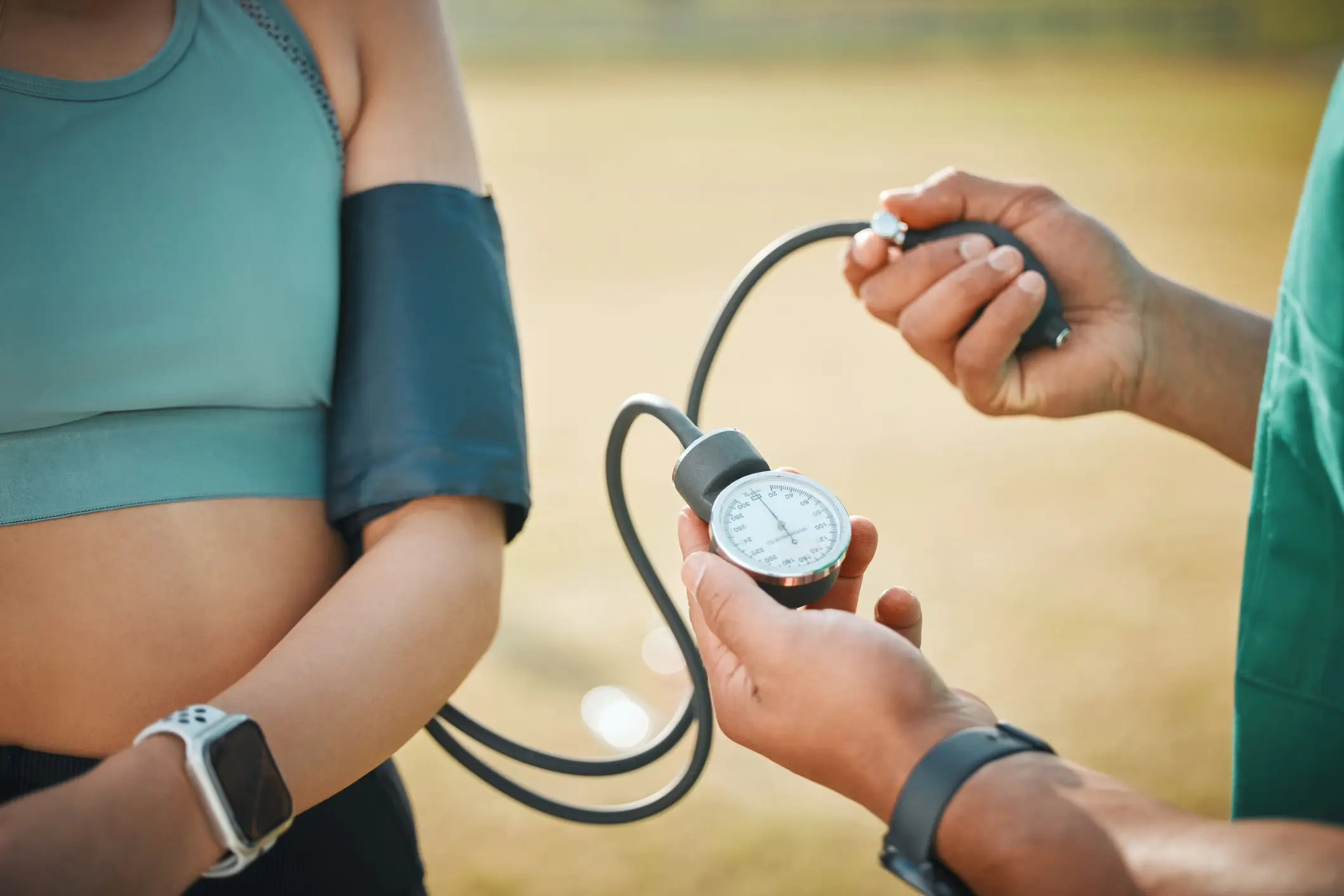
Partnering with an independent scientific and ethics boards in an attempt to address concerns and backlash from health agencies and anti-doping organizations, as per The Guardian, the Enhanced Games completes a profile that includes genomic sequencing, cardiac analysis, blood tests, and existing health declarations.
Detailing the approach on its website, Enhanced assures that it's independent medical commission "plays a crucial role in safeguarding athlete well-being by establishing medical safety protocols, overseeing athlete medical profiling, and advising on eligibility and safety for competition in the Enhanced Games."
It goes on the outlines that "its independent oversight ensures that athlete health and safety remain the top priority, instilling confidence in both competitors and the public."