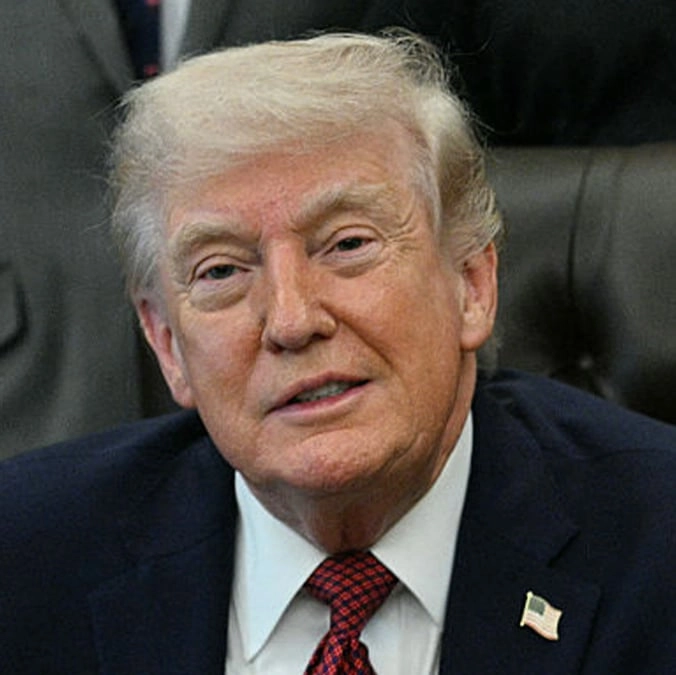
Major drugs classified as Schedule 1 as Trump reclassifies weed as less dangerous


The Trump administration has made a key move in its drug policy after it reclassified cannabis to a less dangerous classification.
The decision was made by the Department of Justice last week and will mean that items containing cannabis will move from a Schedule I narcotic like heroin to a Schedule III drug.
However, this does not mean that all marijuana will move into the same classification.
Instead, Acting Attorney General Todd Blanche specified that this only relates to products under the Food and Drug Administration or have received a state medical-marijuana licence.
Advert
In a statement, Blanche explained: “The Department of Justice is delivering on President Trump’s promise to expand Americans' access to medical treatment options.

“This rescheduling action allows for research on the safety and efficacy of this substance, ultimately providing patients with better care and doctors with more reliable information.”
This is a major shift for the government, who has classified the drug as a Schedule I since 1970.
Other Schedule I drugs include heroin, but under its new Schedule III classification, it will be on par with drugs such as Tylenol.
According to a report by the BBC, Morgan Fox, from the National Organization for the Reform of Marijuana Laws (Norml) remarked that the president’s move to change this policy was a ‘symbolic’ gesture.
Fox continued: “Moving it out of that classification allows us to have policy conversations that don’t start and end with that definition.
“Lots of policymakers continue to fall back on that, and really won’t even discuss the issue as long as cannabis is Schedule I.”
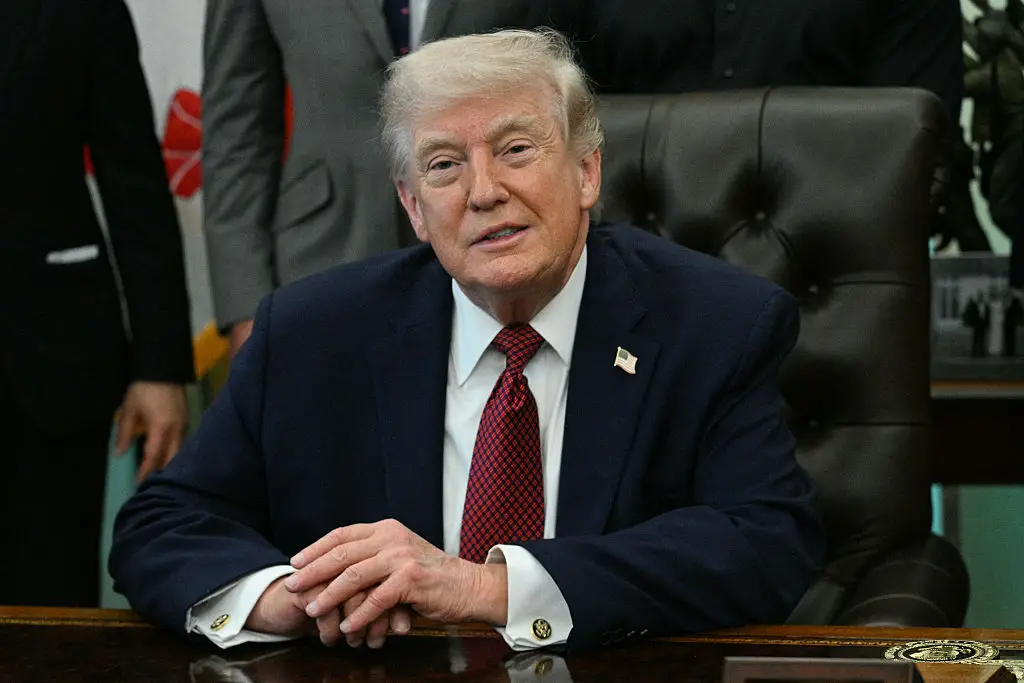
Fox added: “The real solution to the issue is to de-schedule cannabis at the federal level, not just move to Schedule III, and then start changing the laws in regulatory ways that provide guidance, so we can get a little bit of uniformity.”
How does US drug classification work?
According to the US Drug Enforcement Administration, Schedule I drugs are substances that have ‘no currently accepted medical use and a high potential for abuse’, with Schedule II applies to any drugs with a ‘high potential for abuse, with use potentially leading to severe psychological or physical dependence’.
Schedule III, which is where medical marijuana is at now, are drugs that have a ‘moderate to low potential for physical and psychological dependence’, while Schedule IV applies to ones with a ‘low potential for abuse and low risk of dependence’.
Schedule V is the final classification and the least dangerous one, classed as substances, drugs or chemicals with ‘lower potential for abuse than Schedule IV and consist of preparations containing limited quantities of certain narcotics’.