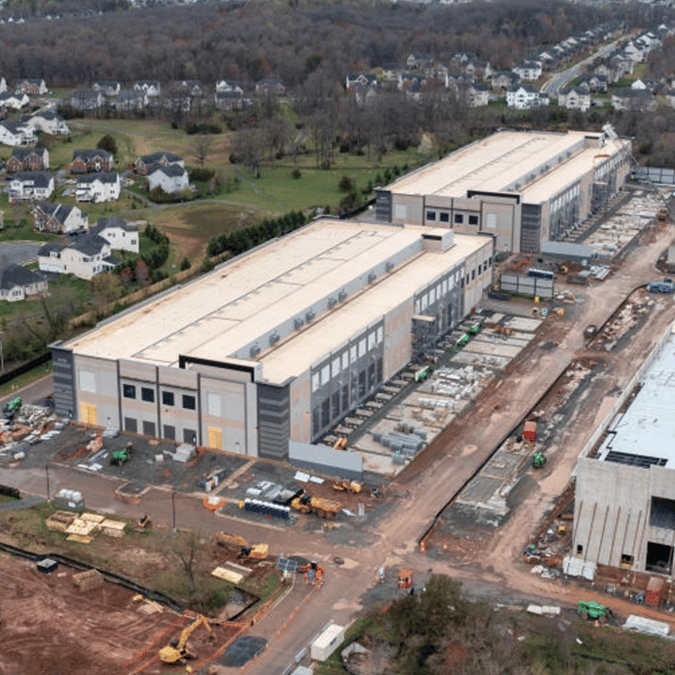
All 50 US states ranked by power consumption in eye-opening new data


Thousands of data centers have been cropping up across the United States and many more are planned for future construction, yet that has had a significant impact on power consumption in certain areas of the nation with new data revealing the shocking stats.
There are over 4,500 data centers in total in the United States but many are concentrated into a handful of states, causing a jaw-dropping amount of energy to be used which covers roughly 4.4% of the total power used in America each year.
Data from Electric Choice denotes that roughly 176 Terawatt-hours (TWh) are used annually by data centers, with the vast majority of that right now relating directly to AI performance and development, which the United Nations has linked to worrying climate trends and water scarcity fears.
While AI users have been advised to cut down on the use of pleasantries in order to reduce the amount of power required for their conversations with ChatGPT, there's no avoiding the sheer amount of power consumed by data centers right now, and it's only going to grow as demand escalates.
Which states consume the most power from data centers?
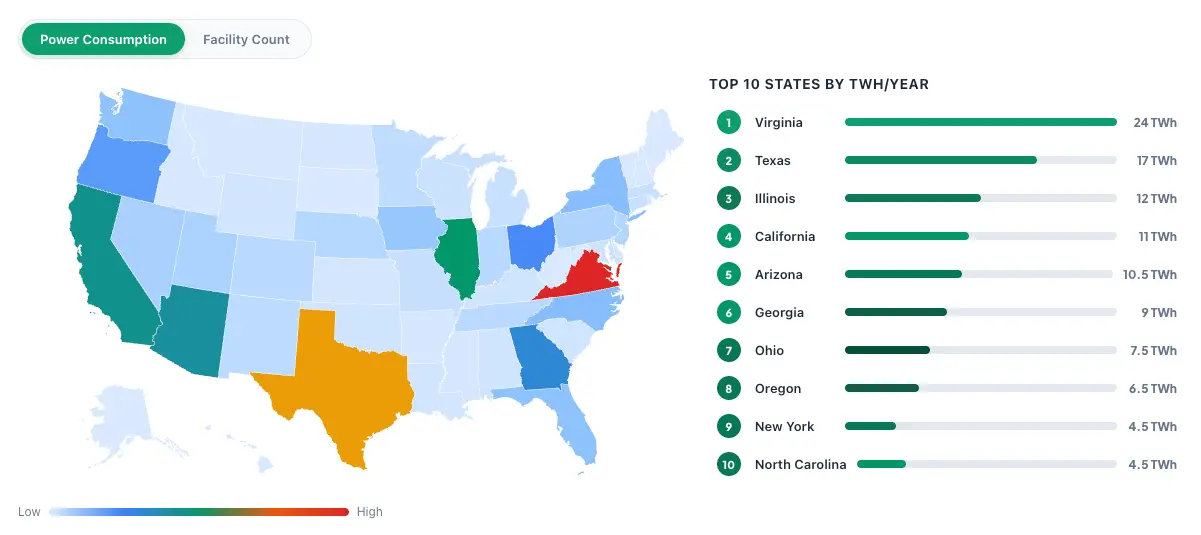
Anyone familiar with the current state of data centers in the United States shouldn't be shocked to discover that Virginia – otherwise known as the data center capital of America – sits at the top of the chart with 24 TWh/year generated from 665 different facilities.
Advert
This works out to 36.1 Gigawatt hour (GWh) per data center on average, although some will obviously consume far more than others considering their scale, as the biggest companies have revealed plans to build facilities as large as the whole of Manhattan.
Virginia – particularly the area of Ashburn – is home to data centers from tech giants like Microsoft, Google, and Amazon, so it's no surprise that the energy burden is as high as it is.
Next up in second place is predictably Texas, which consumes 17 TWh from 413 data centers every year, and that is trailed by Illinois (12 TWh, 244 data centers), California (11 TWh, 321 data centers), and Arizona (10.5 TWh, 190 data centers) to round out the top five.
Sitting right at the bottom of the list is Alaska with 0.1 TWh from just five data centers, and that's not exactly a shock considering the conditions, but it's surprising to see West Virginia down in second-to-last with just eight data centers generating 0.1 TWh as well.
All of the rest of the bottom five similarly generate just 0.1 TWh, with Vermont (5 data centers), South Dakota (10 data centers), and Maine (8 data centers) rounding out the lowest-energy consuming areas in the country.
How do data centers impact the local area?
While big tech companies would argue that data centers positively impact the areas where they are built by supercharging the economy and creating a significant number of new jobs, they are also known to have a detrimental impact on the living conditions and quality of life for those residing nearby.
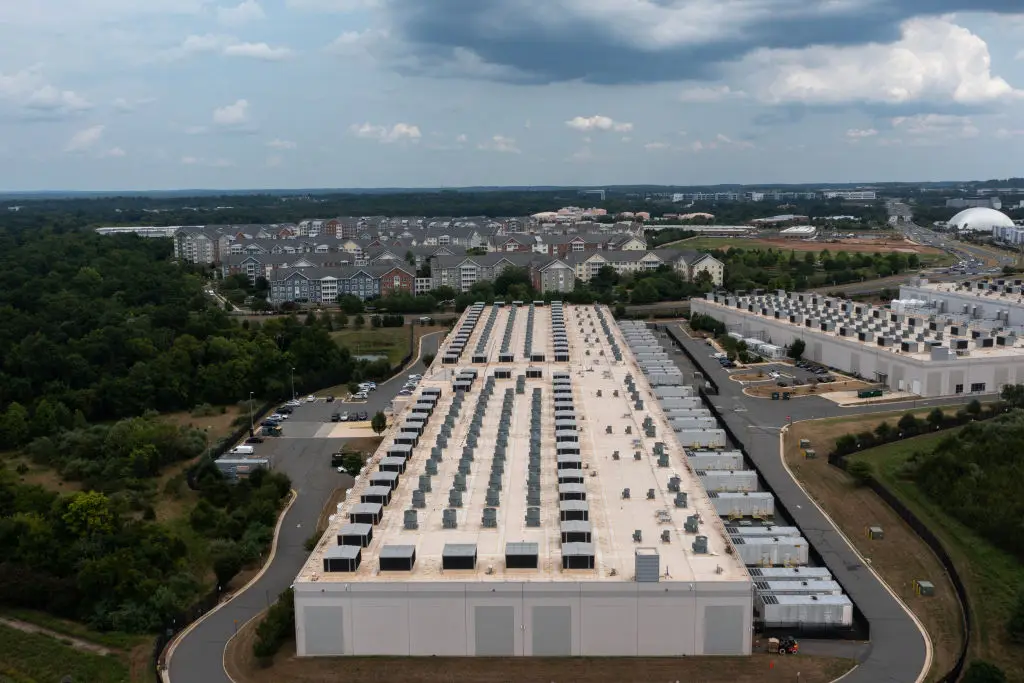
For example, data centers produce a significant amount of noise and light pollution which makes sleeping difficult for people within a certain radius, and you also have to deal with issues with your access to water and soaring electric bills.
Residents living near Elon Musk's xAI data center have also outlined the health risks that methane gas pollution is allegedly causing within the local Memphis area, with some even claiming that it has led to several deaths as people struggle to breathe.
Specific studies have made surprising claims that data centers don't directly lower house prices, however, with some areas even seeing a depreciation the further out you go from a facility.