
Report reveals insane amount of money spent on data centers is more than gov spends on transportation


The boom in artificial intelligence has reached a point that would have sounded almost unbelievable just a few years ago.
Companies are allocating more and more money to building huge AI data centers and a new report has revealed that this figure is even bigger than how much the government puts towards transportation infrastructure.
Earlier this month, a report was released by the Census Bureau which revealed that spending on data center construction hit an annualized rate of $50.7 billion in April.
That was enough to beat federal government transportation construction spending, which came in at $49.3 billion over the same period.
Advert
And while that might not seem like a huge difference to some people, it’s what the numbers represent that has caught the attention of others.
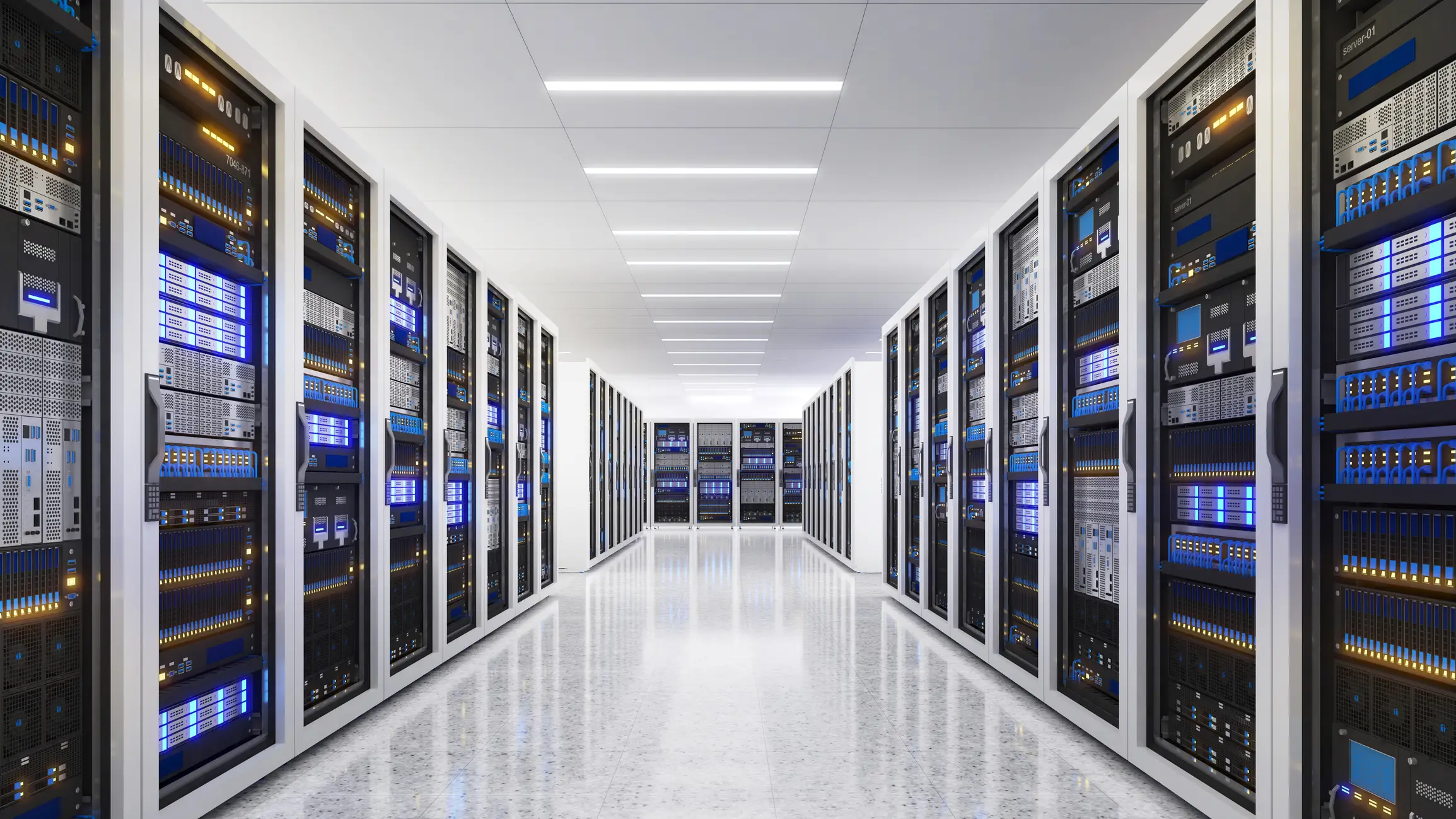
Every time you ask an AI chatbot a question or generate an image, huge warehouses packed with powerful computer servers are working behind the scenes to make it happen.
And as AI tools become more advanced, companies are racing to build even more of them.
The spending surge has been so dramatic that data center construction increased by 28% compared to a year ago.
Concerns about environmental impact of AI data centers
However, the further expansion of these data centers has sparked public fears surrounding the environmental repercussions this could have on the planet.
In a report by the UN, scientists detail how AI data centers could come with unprecedented environmental costs as a result of its water use and electronic waste.
In the study, researchers have warned that AI could be responsible for nearly 3% of global electricity consumption by 2030, while they estimate that the amount of water it requires could be enough to supply drinking water for every person on Earth for more than 18 months.
The team of researchers have gone on to warn that reducing carbon output alone will not necessarily make AI environmentally friendly.

Instead, the study highlights how some energy sources may lower emissions while dramatically increasing water consumption or land use, creating new environmental pressures elsewhere.
A big factor in this issue are the AI data centers popping up around the globe, as these huge facilities contain servers and cooling systems required to power the AI models.
These cooling systems rely heavily on water, and the report estimates that facilities consumed approximately 9.3 trillion liters in 2025 alone.
Dr Miriam Aczel, UNU-INWEH Researcher and the lead author of the report, said: “What surprised us most is how often the choices that look greenest from a carbon perspective end up worse for water or for land.
“If we keep judging AI sustainability by carbon alone, we might think that renewables make AI infrastructure clean but that is solving one problem while creating other problems, often in places that didn't ask for it.”