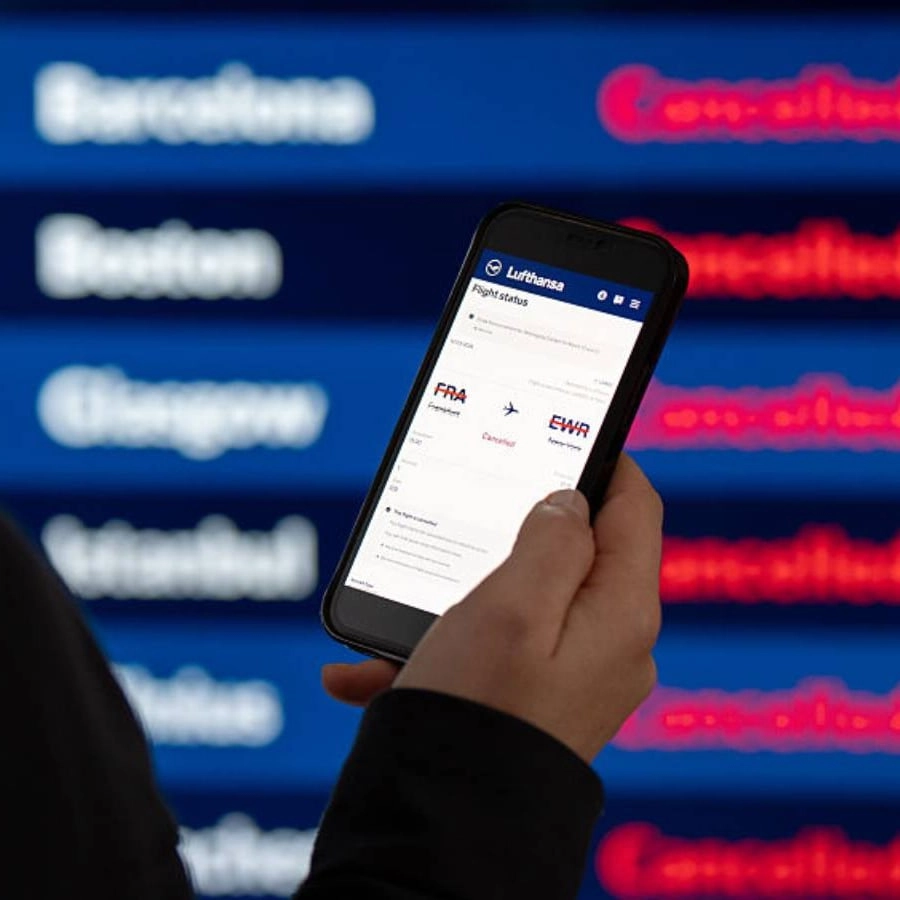
One thing security experts say you must do to your phone before crossing an international border


Travel is stressful enough for many as it is, but with the Department of Homeland Security gaining new powers in January 2026, the list of devices that can be searched as you prepare to enter the country has expanded to include everything from smartwatches, drones, and even SIM cards.
We've already covered how you should handle your smartwatches if U.S. Customs and Border Protection (CBP) staff ask to search your device, but what about your mobile phone?
More than ever, we're reliant on our devices to hold boarding cards, travel plans, and our ability to contact those we're visiting.
Modern smartphones are far more than pocket-sized personal computers, with them also including everything from our social media accounts to our financial information. This can make them security nightmares when heading into the USA.
The dos and don'ts of crossing the border
Advert
The important bit to note is that CBP agents have to allow U.S. citizens to go home, while the American Civil Liberties Union suggests the same applies to permanent residents like green card holders.
You're still encouraged to comply, as you could be questioned or temporarily detained, and CBP officers can still seize your smartphone for weeks at a time.
As for foreign travelers, they could be turned away from entering the USA if they refuse.
Speaking to the Associated Press, Patricia Egger, head of security at encrypted service Proton Mail, gave her own advice and explained: "While 100% privacy may be impossible in these situations, there are a few things you can easily do that make it much harder for someone to see your private data even with physical access to your device."
Leaving your phone at home isn't always an option, so think of getting a 'burner' phone that contains just the information you need for your trip is advised.
We're told to encrypt the storage drive of our phones or laptops and protect them with a strong password after uploading important information to the cloud.
Importantly, turn off facial recognition features and ensure devices are locked with a PIN or passcode instead.
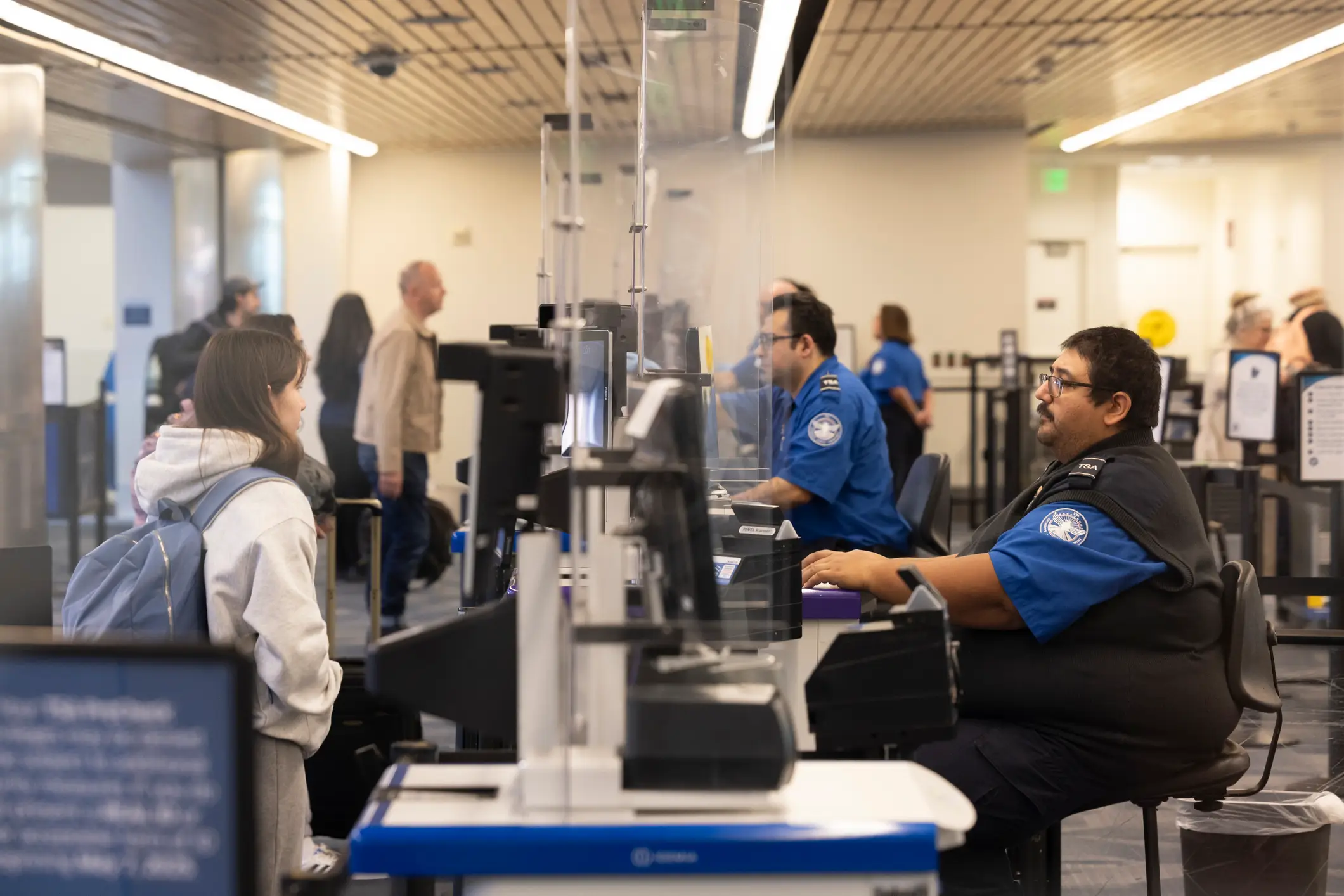
Experts remind us that border agents can hold a smartphone up to your face or force you to place your finger to unlock, with some even fearing that officers could use fingerprints that are stored on government databases.
This advice was echoed on Reddit, where PureVPN suggested completely powering off your device. In jurisdictions like the USA, courts have ruled that biometrics like FaceID and TouchID are physical evidence that can be legally used against you.
Your Fifth Amendment protections
In contrast to biometrics, a numeric passcode is considered 'knowledge', which means it's protected by the Fifth Amendment and prevents self-incrimination.
This means CBP staff can't make you speak a code that only exists in your head. By powering off your smartphone, restarting it requires you to input a passcode.
Egger backed this up by reiterating that if you're forced to power on your device, "Where you can, log in yourself rather than divulging any PINs or passwords, and if forced to share passwords, change them as soon as you can."
Some went even further in the replies, and putting on their tin foil hats, warned against putting in your passcode while standing in the queue and asked what if security cameras see you punching it in.
Replying to the thread, one person wrote: "Tap the power button 5x and it does that also. Good thing to practice for "emergencies". What a stupid timeline we are living in. 😭."
Another warned: "Yeah, just be prepared that you most likely won't be allowed into that country, and perhaps barred completely, unless you are a citizen."
A third concluded: "Bad advice, use a burner phone and don't carry sensitive data on you when crossing borders. End."
The moral of the story is not to have anything potentially incriminating on your phones before traveling, although the Electronic Frontier Foundation similarly warned that completely wiping a phone or laptop could also raise suspicion: "If detected by a border agent, the fact that you wiped your hard drive may prompt the agent to ask why you did so.
"Even traveling without devices or data that most travelers typically have could attract suspicion and questions."