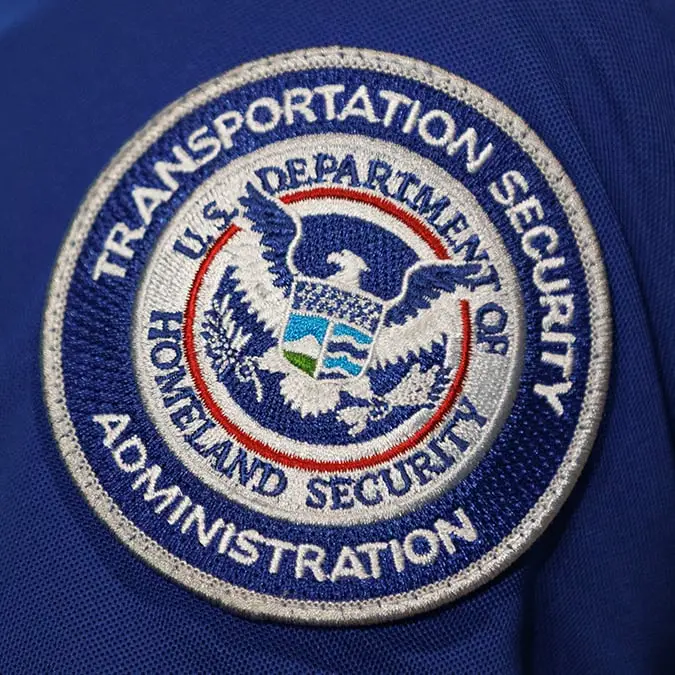
US airports to enforce shocking new social media policy that could impact millions of tourists


Airports in the US are now set to enforce a shocking new social media policy that could impact millions of tourists entering the country.
Under new plans that are being considered by the US border force, a policy could require entrants to the country to undergo a social media screening.
This change was put forward by Customs and Border Protection (CBP) and everyone visiting the US would be subject to this check, whether or not they require a visa.
This comes as a notice was published in America’s federal register that revealed that tourists would need to hand over their social media from the last five years.
Advert
The plans will now face public consultation for the next 60 days and have caused a stir online, with many people taking to social media to share their reactions to the news.
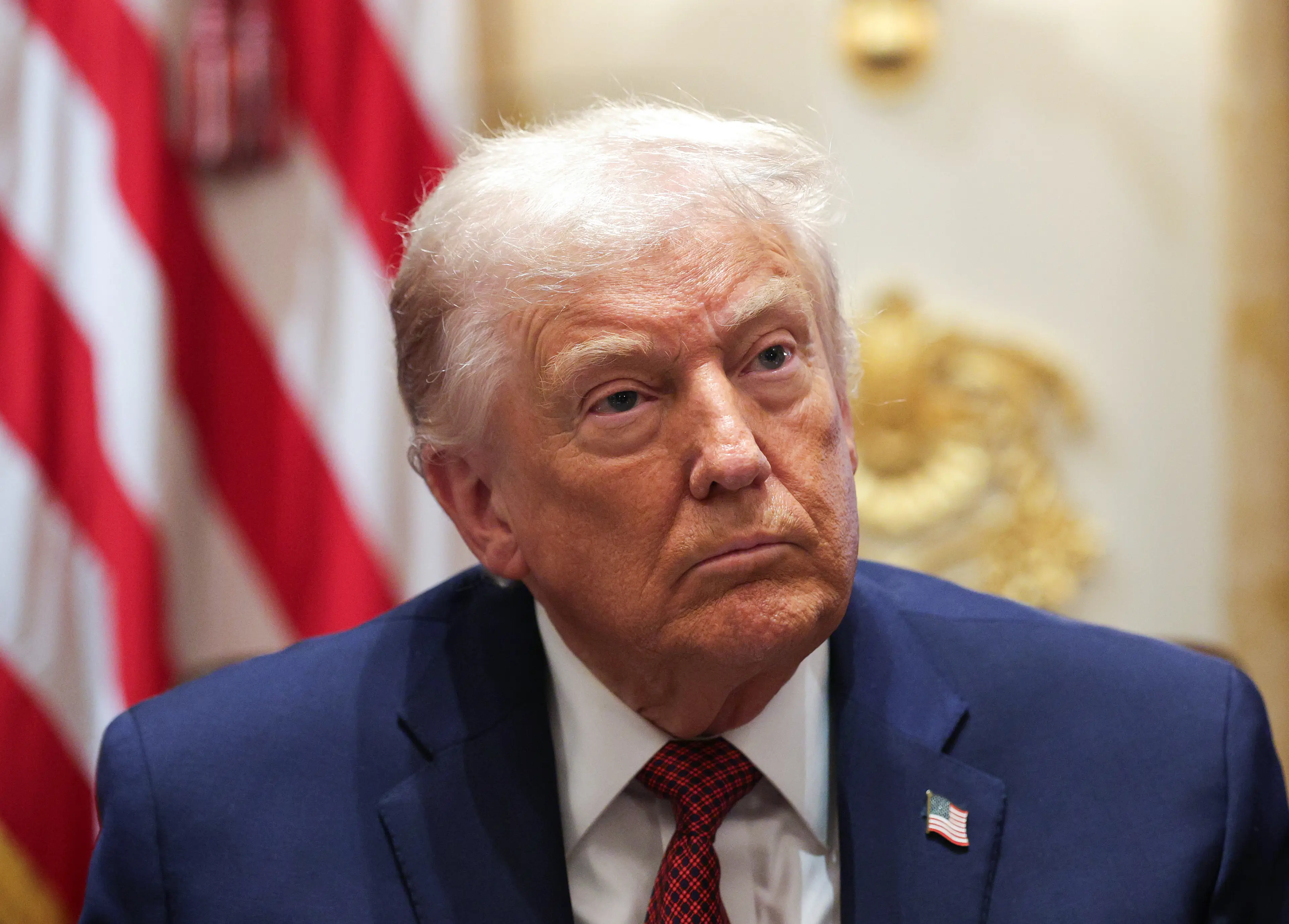
On Reddit, one user wrote: “Well that’s f***ing insane, but unfortunately not f***ing surprising.”
Another said: “Friendly reminder that we aren't even 1 year into this insanity yet....”
When queries rose over what would happen if you say you don’t have social media, a third person commented: “They check, because it'll make them more suspicious. That's the godawful part about it. You give them your email, they'll be checking for any accounts attached to it. You miss off some old account from 4 years ago? Most likely you'll get denied your visa.
“If you say you don't have any, and they check your phone and see you uninstalled twitter last month, you'd be in for it. Bloody awful system.”
And a fourth added: “Best thing y'all can do is stay out of this stupid country both for your safety and to teach us a lesson. No tourism to the states and boycott American goods at home. We deserve as much, sorry my country is failing the rest of human civilization.”
This isn’t the first controversial move by the Trump government as, back in April, Harvard University sued the administration, stating that it had sought ‘unprecedented and improper’ control of the school.
This came after $2.6bn of federal funding to the school was frozen.
In the lawsuit, it claimed that the government was retaliating against the university after it had rejected a list of demands from a federal antisemitism task force.
This included things that would bring in vast changes towards the way the school handles campus protests, academics and admissions.
In September, a judge ruled that the freeze of research funding by the Trump administration unconstitutional and retaliatory.
An agreement has not yet been reached.