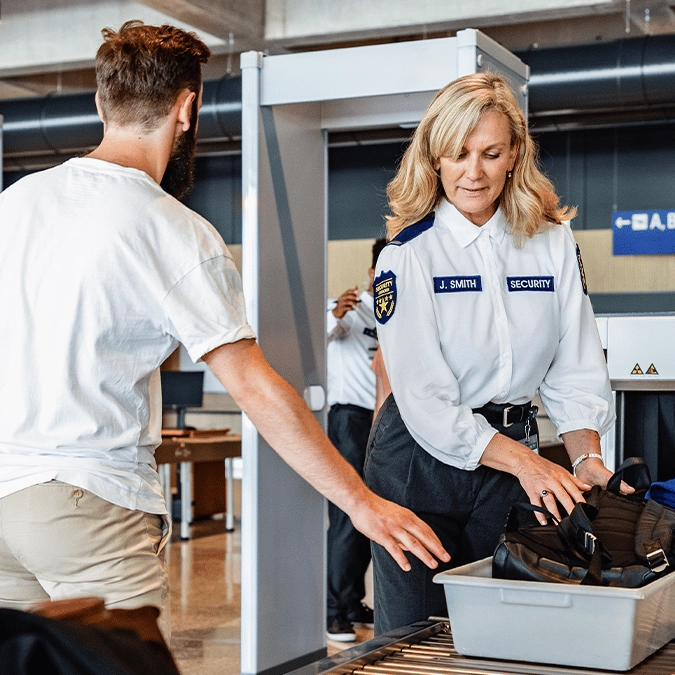
Border control issue statement as tourists fear phones and social media could be inspected upon entering US


Border control has issued a statement after tourists fear their phones could be searched upon entering the US.
On top of broader immigration crackdowns, the US government is taking a closer look at digital security.
According to US Customs and Border Protection (CBP), this now includes the right for border agents to inspect personal devices like phones and laptops as part of the screening process.
Even those with valid visas or green cards have reported being questioned, having their phones searched, or even being denied entry altogether. A few cases even involve European tourists being held in immigration detention centres after landing in the US.
Advert
Now, travellers are fearing their personal devices will be searched before one touches US soil.
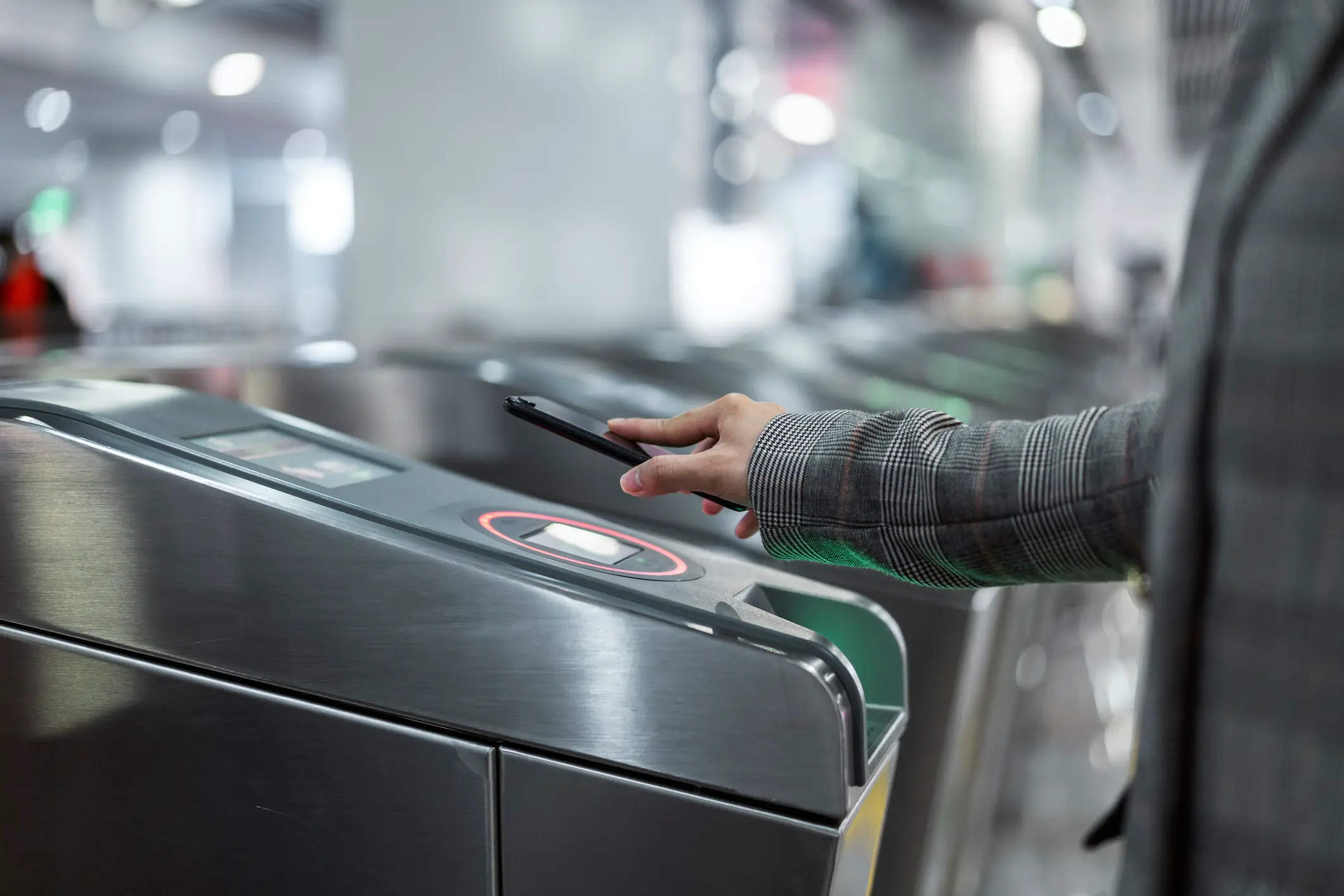
CBP has confirmed that their agents have the legal right to inspect electronic devices at ports of entry.
Their official website reads: "CBP’s ability to lawfully inspect electronic devices crossing the border is integral to keeping America safe in an increasingly digital world. "All travelers crossing the United States border are subject to CBP inspection. On rare occasions, CBP officers may search a traveler’s mobile phone, computer, camera, or other electronic devices during the inspection process."
The agency says these searches are used to fight 'identify and combat' terrorist activity, child pornography, smuggling, human trafficking, export control violations, and visa fraud, among other violations.
They added: "Furthermore, border searches of electronic devices are often integral to determining an individual’s intentions upon entry to the United States and thus provide additional information relevant to admissibility of foreign nationals under U.S. immigration laws."
If an border patrol agent agent does take your device, they’ll either do a basic search, which means manually checking the content that's easily accessible.

Meanwhile, advanced searches can use special tools to scan, copy or extract data from your device. But, this should only happen on suspicion of illegal activity and with higher-level approval.
That said, the good news is the searches are much less common than you think. In fact, CBP says that in the 2024 fiscal year, 'less than 0.01%' of international travellers had their electronic devices searched.
While device searches are legal, travellers still have options to protect their data. The Electronic Frontier Foundation recommends limiting the amount of digital info you're carrying, such as leaving unnecessary devices at home or using a temporary one. Alongside this, travellers can also consider turning off their devices completely when arriving at a port of entry, the EFF noted.