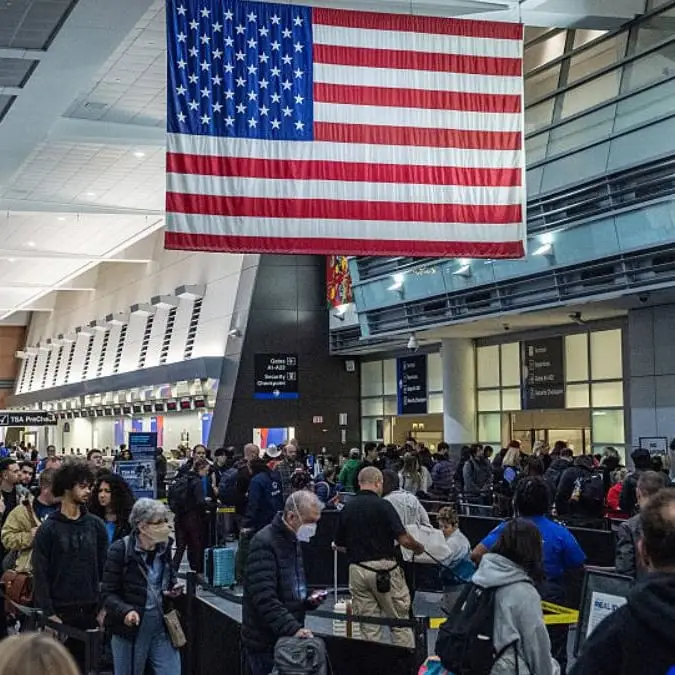
Extreme measures tourists could be forced to take if they want to visit the USA


Despite all the political turmoil and fears of violence currently engulfing the United States of America, tourism is still a massive part of the economy.
While President Donald Trump attempts to strengthen the country's defenses against immigration, up to 77 million international visitors are expected to head to the USA by the end of 2025 – bringing up to $169 billion to the economy.
Even though the international travel industry is down a marked $12 billion from 2024's $181 billion, it's still an impressive chunk of money Donald Trump would be foolish to turn his nose up at.
Unfortunately, visitor numbers taking a dip might be the start of a downward trend, as it's about to get a lot harder to take flight on a quick jaunt to the Big Apple, Sin City, or the Windy City.
Advert
As reported by the New York Times, a proposal has been filed by the Customs and Border Protection (CBP) and the Department of Homeland Security (DHS), appearing in the Federal Register, which is considered the US government's official journal.
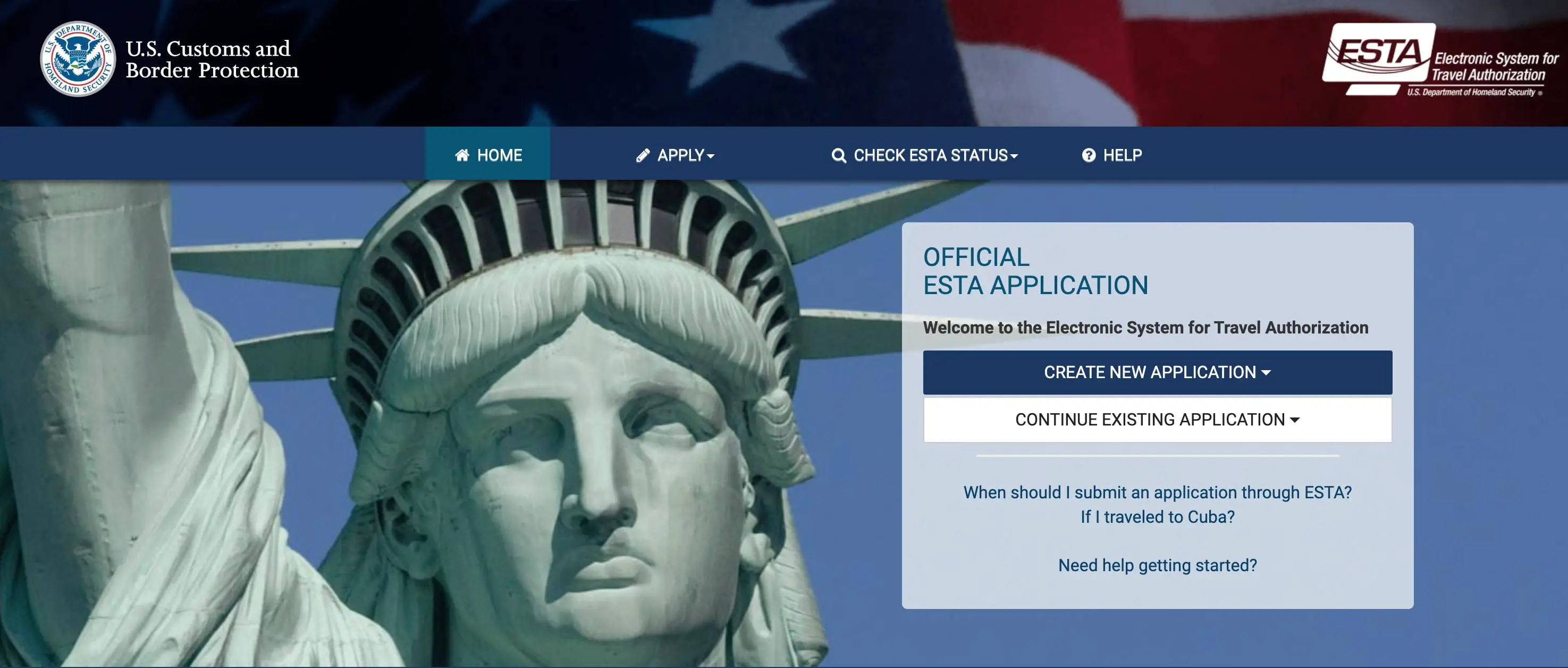
The current ESTA system requires a one-off payment of $40, which has already climbed from $21 on September 30, thanks to a legislative package that was approved by the US Congress.
Aside from that, it's a relatively simple case of providing a valid passport from a Visa Waiver Country, personal details including your passport information, an emergency contact, and general questions about your health, criminal history, and any past immigration violations.
Social media might be required for further investigation, but now, the updated proposal says that "the data element will require ESTA applicants to provide their social media from the last 5 years."
Although there are no further details about what specific information will be needed and whether that includes all handles, it has raised concerns about privacy invasions and how thorough investigators will be.
Impressively, the ESTA system currently allows access to over 40 countries, including the USA, UK, Australia, and more, giving you multiple visits over a two-year period.
The more regimented system is said to also collate your address and phone number details from the past decade, as well as more in-depth information on your family members.
It cites one of President Trump's many January 2025 executive orders, calling attention to "Protecting the United States From Foreign Terrorists and Other National Security and Public Safety Threats".
Foreign nationals were already required to make social media accounts public if applying for student visas or H1B visas for skilled workers, with the latter also boasting a much higher application fee.
Elsewhere, an existing ban that affects Africa, the Middle East, and the Caribbean could also be expanded.
In terms of the ESTA overhaul, a 60-day period will now invite the public to share their views.
Bo Cooper, from immigration law firm Fragomen, warned: "The new method involves looking at online speech, and then denying travel based on discretion and policy about the kinds of things that get said. It’ll be interesting to watch the tourism numbers."
His concern was joined by Sophia Cope, a senior staff attorney for the Electronic Frontier Foundation digital rights group, who added that mandatory social media disclosure and surveillance is only going to “exacerbate civil liberties harms."
Cope concluded: "It has not proven effective at finding terrorists and other bad guys. But it has chilled the free speech and invaded the privacy of innocent travelers, along with that of their American family, friends and colleagues.”