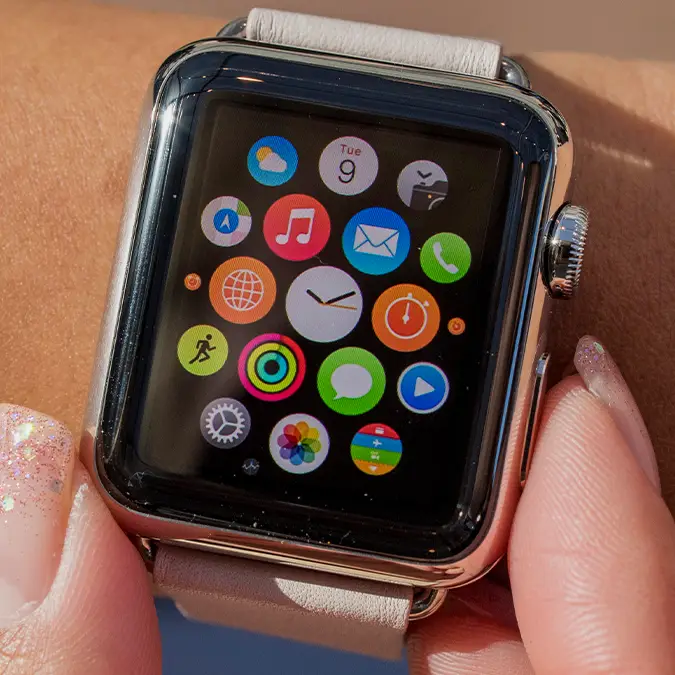
What to do if US border agents try to inspect your smartwatch


It's the job of U.S. Customs and Border Protection to keep us safe when entering the USA and also ensure those already there remain safe, but there are accusations that officers can sometimes be a bit heavy-handed.
There were complaints about the potential invasion of privacy when reports circulated that CBP staff could look through your social media and even look at your smartphones, with December 2025 guidelines meaning your last five years of social media activity could be screened.
Anyone who's found with evidence of criminal activity or is deemed a national security risk could be turned away at the border and deported back to where they came from. This could put a quick end to your latest vacation, and although the CBP maintains that only 0.01% of international visitors had their smart devices searched upon entry, The National Post maintains that it's a trend on the up.
In the 2024-2025 year, a record 55,318 examinations took place, which is up 17% from 2023-2024 (47,047) and 32% from 2022-23 (41,767).
What to do if U.S. Customs and Border Protection asks to inspect your smartwatch?

Advert
An updated directive from January 1 states that officers can search "any device that may contain information in an electronic or digital form."
Alongside all the obvious ones like computers and smartphones, it extends to flash drives, cameras, and even SIM cards. The last directive was introduced way back in 2007, so as you can imagine, a lot of new tech has made the list.
The CBP reiterated: "A basic search may include documenting information observed on the device during the search that relates to immigration, customs, or other law enforcement actions in CBP systems."
This can be carried out "with or without suspicion," so be ready to comply. If you refuse to hand over a passcode to unlock your smartwatch, it can be confiscated, while you could also face travel delays, denial of entry, or detention while awaiting deportation.
We previously gave you advice on how to prepare your smartphones for travel, and with the likes of the Apple Watch effectively being an extension of the iPhone, it's much the same.
Keep only the essentials
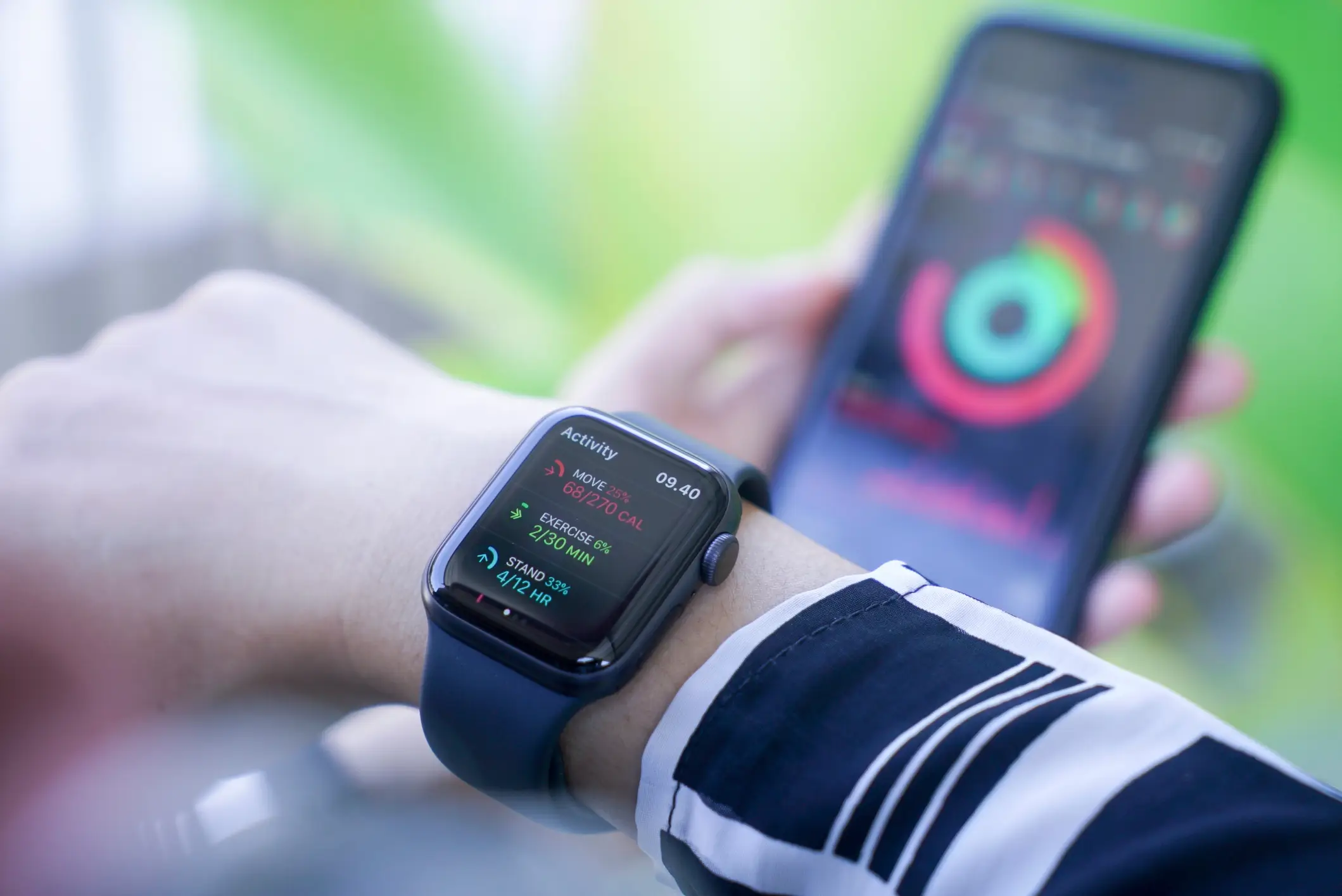
Firstly, you'll want to back up all your fitness data and personal notes to the cloud or your smartphone. If your smartwatch contains sensitive data, you're encouraged to perform a factory reset and then resync the essentials after starting the device again. Only pair it with a clean version of your operating system and make sure you've installed the bare minimum of data you need for travel. You're also advised to disconnect financial apps like Apple Pay or Google Pay, and log out of connected social media platforms.
U.S. citizens typically don't have to comply with electronic device search requests, although we'd suggest not messing around with CBP.
Note that officers can't access live cloud content, meaning they have to put a device into airplane mode or disconnect from the internet before searching.
Even though you can ask to be present when your device is searched, they're likely to take it out of your line of sight.
If your smartwatch is seized, make sure you ask for a Form 6051D custody receipt that also contains the name and contact information of a supervising officer.
While we know it should be a case of not having anything to worry about if you haven't done anything wrong, that doesn't make it any less alarming when you're suddenly pulled to one side, and CBP asks to look through your devices.