
Kevin O'Leary forced to slash his 'atomic bomb' AI data center by 75% after massive backlash


Kevin O'Leary's 'Project Stratos' – an AI data center proposed for construction in Urah – has undergone a significant change of plans, culminating in a 75% reduction in size as a result of public backlash.
It's far from the only AI data center receiving scrutiny right now, yet O'Leary's status as a public figure through Shark Tank – alongside a report from Utah State University scientist Dr Rob Davies – has made Project Stratos a particularly potent target.
Planned for construction in Box Elder County, Utah, Dr Davies' estimated that the completed project could produce the equivalent of '23 atom bombs worth of energy' for the surrounding environment every single day due to the immense amount of heat.
As reported by NBC News, this has caused O'Leary to admit defeat and alter his plans, with a letter to Utah's Senate president, J. Stuart Adams, indicating a significant reduction in size.
How big will the data center be now?
O'Leary has revealed his desire to cooperate with demands from the Utah Senate, indicating a willingness to shrink plans for Project Stratos by roughly half in a considerable move forward.
Advert
Adams' original request to O'Leary outlined that his data center needs to shrink down from the 40,000-acre-large original plan to around 10,000 acres, while also creating strong commitments to a number of environmental tenets.

These included water usage, heat reduction, an environmental review, and conversation, alongside greater public transparency over the project's outlines and progress as it will significantly impact the local area.
O'Leary initially expressed his surprise at the request, with a spokesperson for the TV personality indicating to Business Insider that he had "not engaged any Utah legislators on this," noting that "the letter caught us off guard."
What was outlined, however, was a commitment to respond personally by the end of the week, and a new letter sent by O'Leary to Adams indicates the desire to cut down the size by half, admitting that he had 'no choice' to do so in a statement to NBC.
How much do data centers impact the local area?
Weighing up the impact of data centers on their surroundings can seemingly be split into two separate camps, although one considerable outweighs the other when looking at the bigger picture.
New research has revealed surprising evidence suggesting that house prices actually increase in areas where data centers are present, contradicting many of the horror stories you might have heard from across the nation.
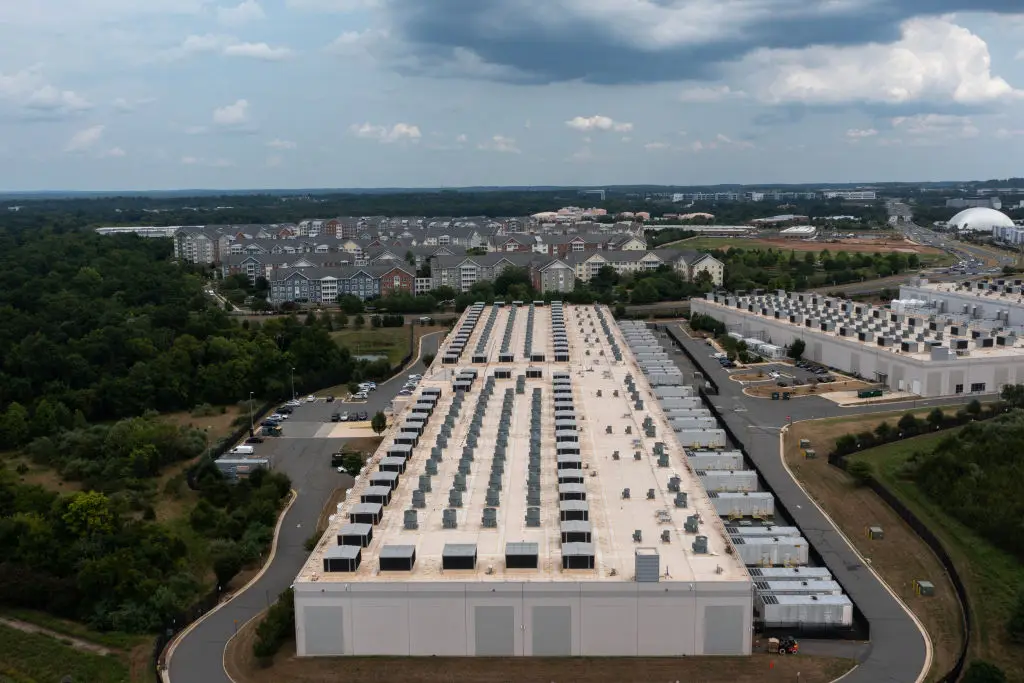
What this is likely tied to, however, is the desirability of infrastructure that also draws data centers themselves to certain locations, alongside the benefits that tax incentives can bring from areas that are economically boosted by their introduction.
On the other hand, you have the considerable environmental cost of data centers to the climate— which only appears to be growing at a dangerous rate following a new report by the United Nations University.
Much like the backlash to O'Leary's plans, data centers consume a dangerously high amount of water, in addition to electricity demands that eclipse entire countries, which is certainly an unsustainable prospect for the future of the planet.