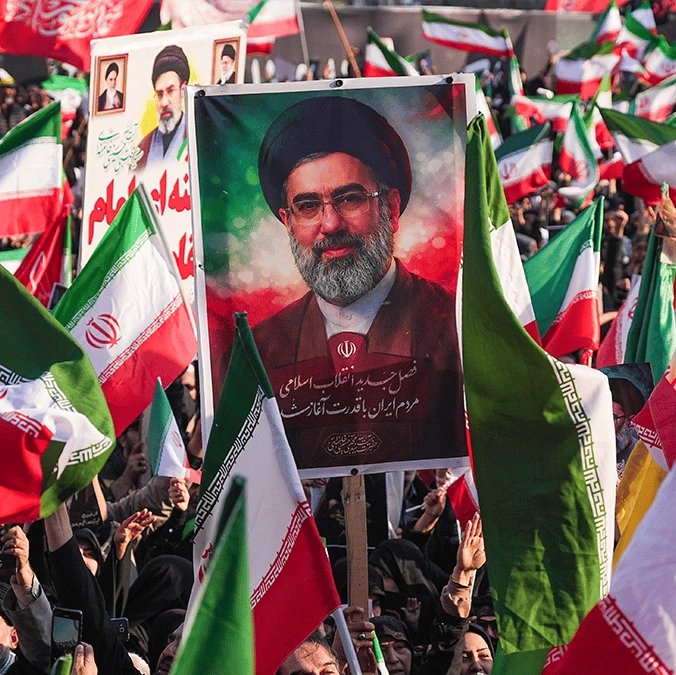
Iran's new war tactic could bring the world's economy to it's knees within weeks


The United States and Israel might have carried out significant and catastrophic air strikes against Iran as part of Operation Epic Force, yet the retaliatory action might be bigger than most expected, potentially bringing the global economy to its knees.
It didn't take long for Iran to strike back after it was attacked by the United States and Israel, bombing its opposition's interests in neighboring countries which has considerably impacted travelers in places like the United Arab Emirates and Qatar.
While its military action has already caused chaos, by far the biggest power play from Iran involves a narrow passage known as the Strait of Hormuz which sees one fifth of the world's oil pass through each year.
It's the only viable route for many Gulf states to export their oil to many powerful nations across the world and, in closing this pathway completely, Iran has placed a stranglehold on the global economy.
Advert
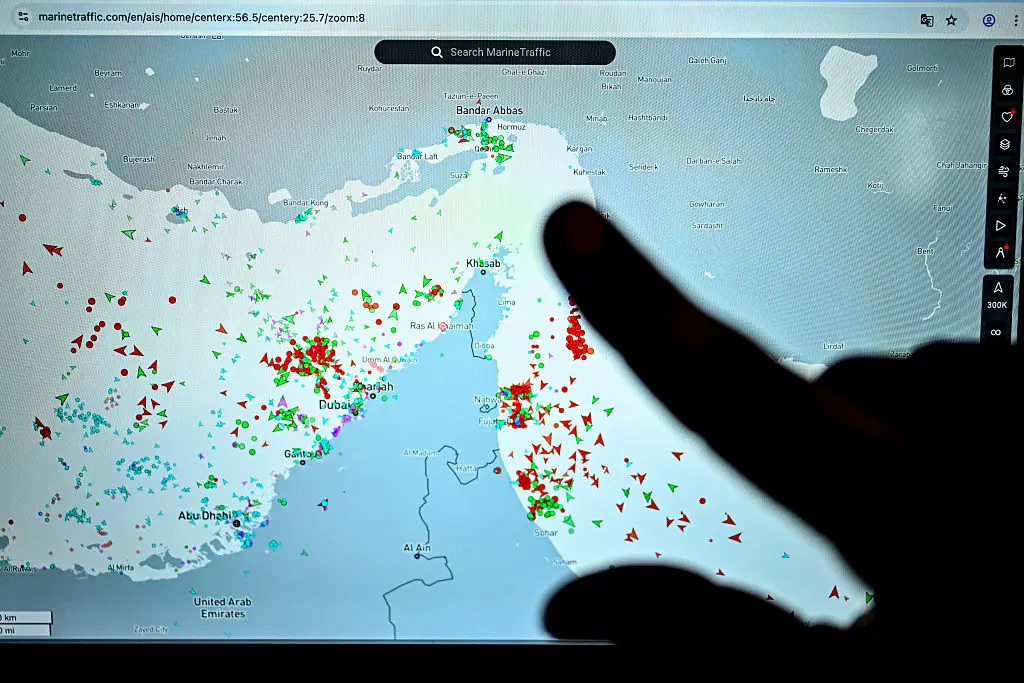
This has already caused oil prices to skyrocket in the weeks following the decision, yet a new tactic from the Iranian government could see this extended even further, potentially bringing the world to its knees.
As reported by the BBC, Iran has now placed a number of miles along the narrow Strait of Hormuz, causing many commercial ships to understandably refuse to travel through despite growing pressure on the world's oil supplies.
Two foreign tankers have already been hit by explosions when attempting to travel through the Strait on Thursday, March 12, and while the US military claims that it has destroyed 16 separate mine-laying vessels, Iran claims that it has the capacity to 'sow hundreds more' across the vital route.
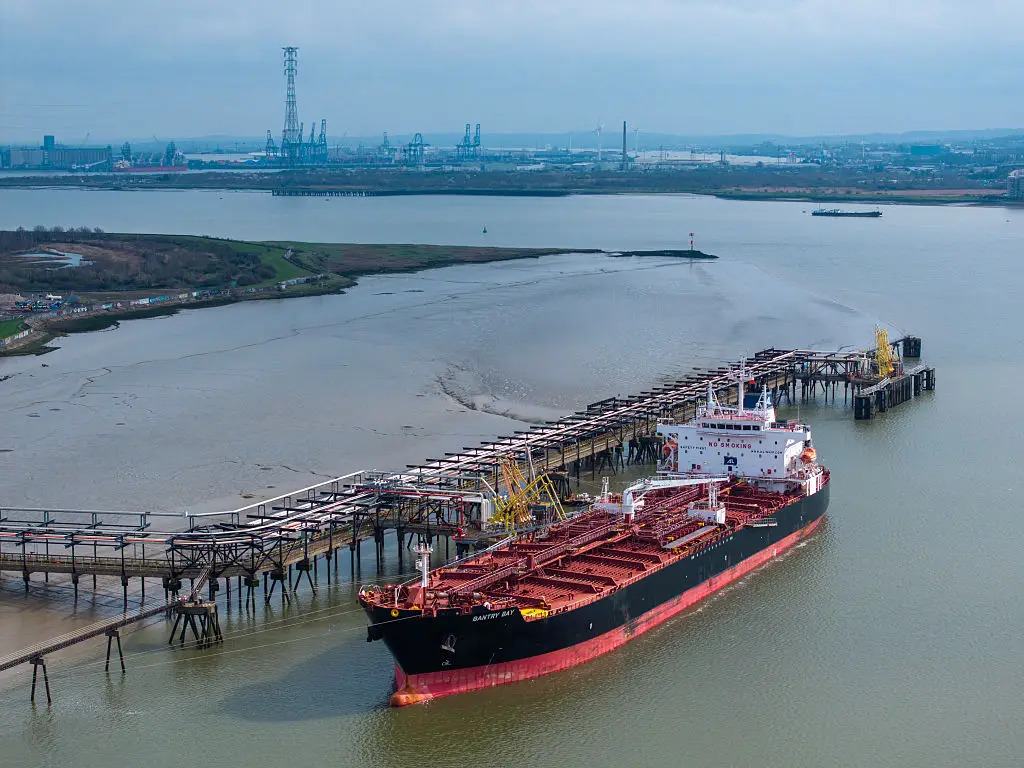
With harrowing predictions illustrating that the conflict between the US and Iran is far from over, this pressure could have catastrophic ramifications on the world, and it's not just oil that's at risk.
Oil isn't just used for energy, as everything from pharmaceuticals to clothes and plastics could be heavily impacted by the shortage of petrochemicals.
Additionally, as per CNBC, around a third of the world's total fertilizer travels through the Strait of Hormuz, and significant shortages here could have a clear impact on the price and availability of food in a number of ways.
While prices have already skyrocketed, we're likely on the precipice of feeling the tangible impact of these shortages with experts illustrating that it takes anywhere between two to five weeks for significant pressure to be felt across the world.