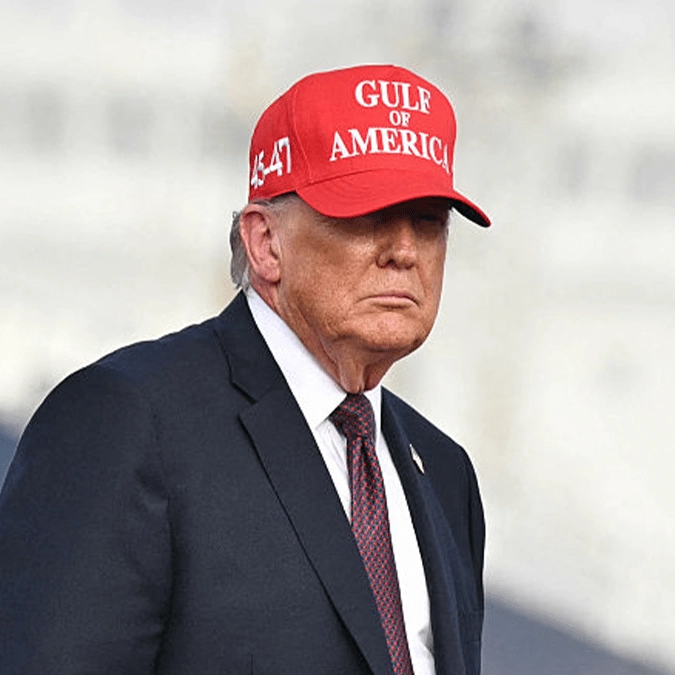
Expert shares eight most dangerous US states in case of World War 3


Global tensions appear to be escalating rapidly, with each major international incident pushing the world closer to widespread conflict.
The recent military strike in Iran by US and Israeli forces has many viewing it as a potentially catastrophic turning point.
Several air strikes were launched in the early hours of Saturday (February 28) morning by American forces against Iranian targets.
The attacks resulted in the death of Iran's Supreme Leader, Ayatollah Ali Khamenei, as part of a coordinated American-Israeli offensive, while Iran has launched retaliatory strikes in Israel and the Persian Gulf.
Advert
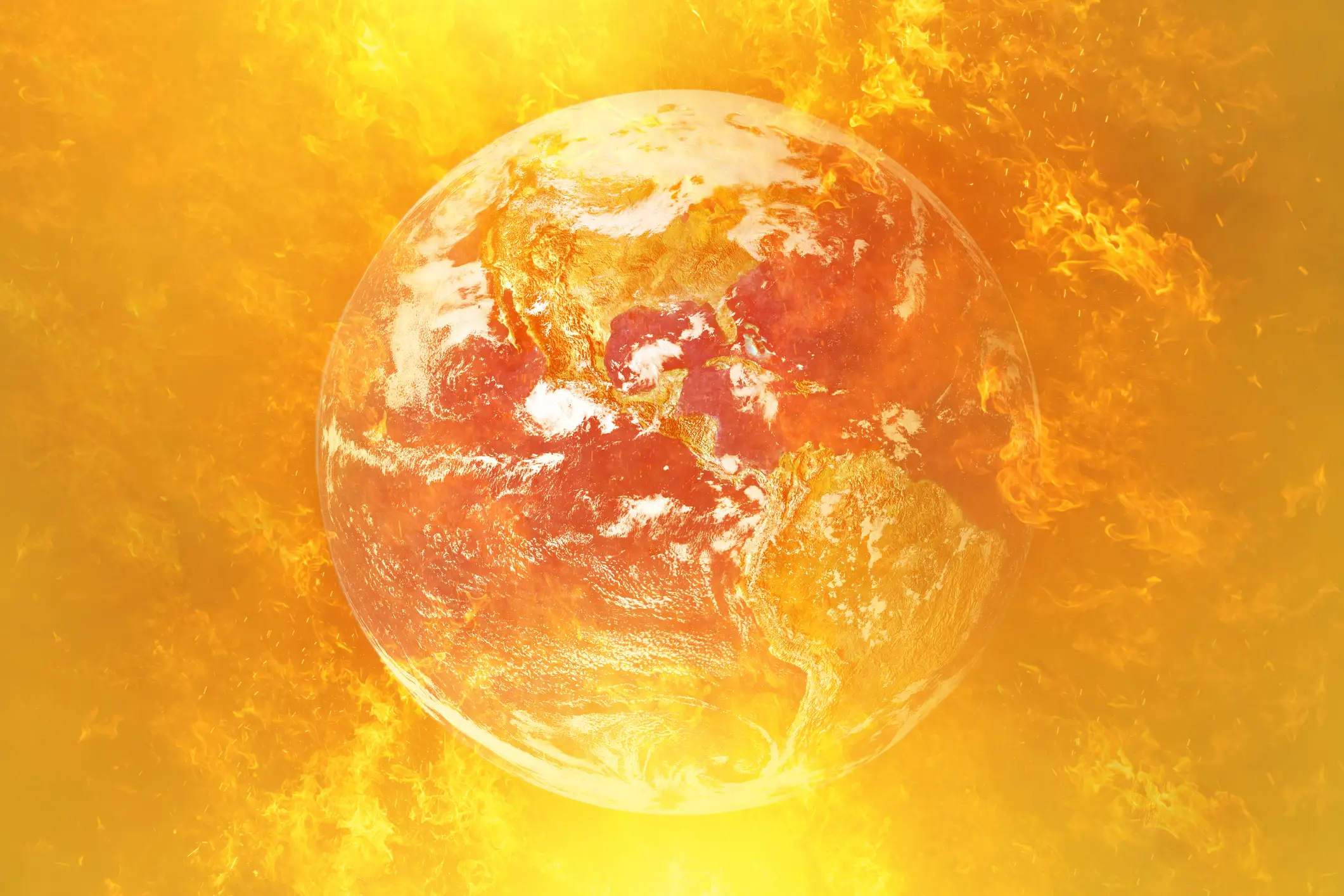
The combination of global military conflict, President Trump's stark warning and fears of rising gas prices has sparked widespread fears that World War 3 could be imminent. We've previously explored AI predictions about potential WW3 triggers, the most dangerous countries to be during such a conflict, and estimated casualty figures.
But with the Doomsday Clock closer to midnight than ever before, it's good to know which areas would be most at risk of attack if a war does break out.
Newsweek spoke to experts a couple of years ago about what nuclear warfare might look like for the US and it turns out, there are some states in more danger than others.
According to the expert advice, the US states most at risk of being nuclear targets were Montana, Wyoming, Colorado, Nebraska, South Dakota, North Dakota, Iowa and Minnesota because they were nearer to the locations of US missile silos.
Speaking to Newsweek, John Erath, Senior Policy Director for the Center for Arms Control and Non-Proliferation, noted that 'nowhere is truly 'safe' from fallout' and its consequences, like 'contamination of food and water supplies and prolonged radiation exposure.'
He said: "While those who live near military facilities, ICBM silos in the Midwest or submarine bases along the coasts might bear the most immediate and severe consequences of a nuclear attack, there's no question: ANY nuclear war or weapons detonation would be bad for everyone."
While a simulation model indicated that coastal states would face the least direct radiation exposure, additional testing found that the wind would carry radiation across the North American continent.
Furthermore, Christian G. Appy of the University of Massachusetts Amherst added that even a 'small' nuclear war would be enough to trigger a nuclear winter that would 'kill all or nearly all of those who survived the blast, firestorms, and radiation of the war'.
Despite the grim projections, there is some room for optimism. Several nations are historically and currently considered relatively safe due to their location, political neutrality, or sustainability. So, be sure to look at the list of safest places to be if the worst does happen.