Why the war in Iran is already causing prices of one household bill to 'soar'


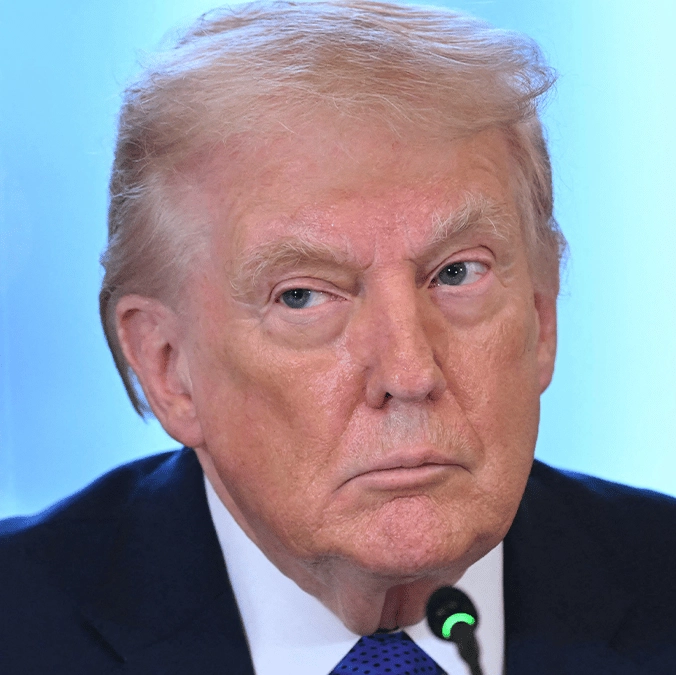
Donald Trump is getting the blame for household bills climbing, with the President of the United States' Operation Epic Fury causing a ripple effect around the world. In the aftermath of June 2025's 12-day war between Iran and Israel, the USA has now joined forces with the latter in continued attempts to dismantle the Iranian nuclear program.
Although Israel and the USA fired the first shots and took out Supreme Leader Ali Khamenei among other high-ranking Iranian officials, the country quickly retaliated by launching drones and ballistic missiles on targets in Israel and the Persian Gulf.
Civilian areas in Dubai were hit, while there are concerns that Amazon could've been a major tech casualty when one of its data centers was "impacted by objects that struck it" – although unconfirmed as an Iranian strike.
Travel around the globe has been affected, with the likes of Etihad Airways and Emirates suspending flights and airports in the UAE closing amid fears of escalation.
Advert
Iran previously cut access to the internet, forcing Elon Musk's Starlink to intervene, but now, there are concerns that household bills could rise due to more strategic attacks.
Gas prices are said to have leapt by 93%, as Tehran has targeted oil facilities in its neighbours.
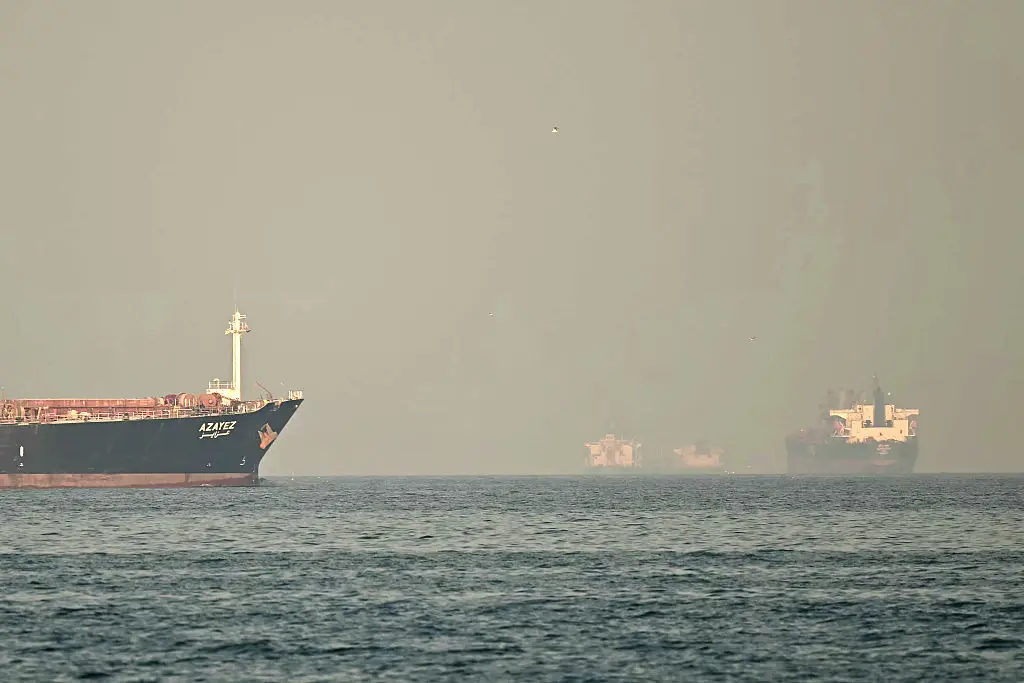
Added to this, the bottleneck Strait of Hormuz has become a desolate waterway. Measuring just 32km wide at its narrowest point, it allows passage of around 20% of the world's oil supply out into the Indian Ocean.
Although US Central Command has reiterated that the waterway is still open, traffic crawled through as Iran claimed it "would burn any ship” trying to pass through the Strait of Hormuz.
As reported by The Guardian, the price of a barrel of oil jumped by 10% to sit at over $80 a barrel before then starting to settle on March 2.
Despite Donald Trump reassuring us that he doesn't expect the conflict to last more than a few weeks, skeptics think the price of a barrel of Brent crude could reach a $100 peak.
According to Fiona Cincotta, a senior market analyst at City Index, US crude oil prices will soon reach $90 a barrel if traffic doesn't resume to normal levels through Hormuz.
Adding to this, the Saudi state-owned Aramco shut its refinery when debris from an intercepted Iranian drone rained down on it. As it processes up to 550,000 barrels a day, it's easy to see how quickly a situation like thi scan get out of hand. Sky News warns that the price of gas (not to be confused with gasoline) climbed to 151 pence a therm in the United Kingdom, marking a high not seen since February 2023. In the past seven days, that means UK gas prices have rocketed by 93%. Remembering that electricity prices are shackled to wholesale gas costs, residents are right to be worried about the direction things are heading in. The International Monetary Fund is keeping an eye on things, with the UN agency stating: "The situation remains highly fluid and adds to an already uncertain global economic environment. It is too early to assess the economic impact on the region and the global economy. That impact will depend on the extent and duration of the conflict."
In particular, those in the UK might remember when Russia's invasion of Ukraine sent bills through the roof and triggered a cost-of-living crisis.
Either way, it won't just be the IMF closely monitoring our household bills.