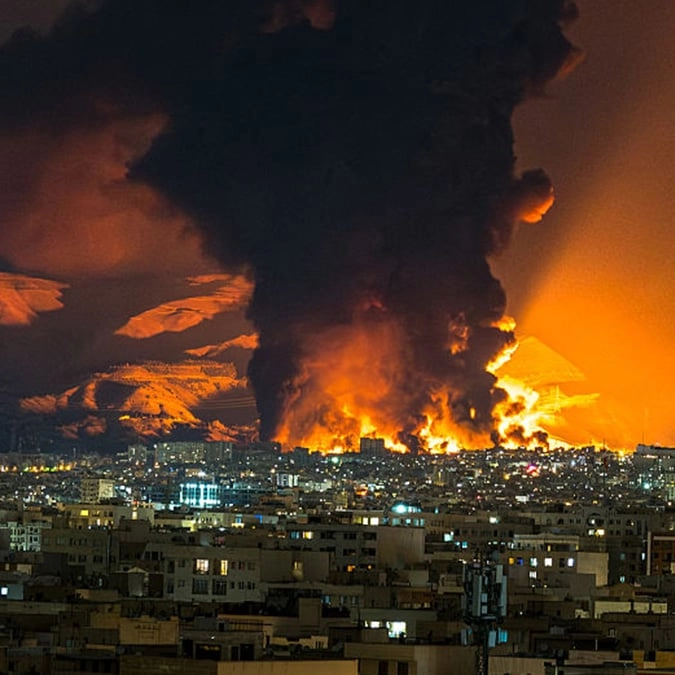
AI has sobering answer when asked what 'worst case scenario' current Iran vs USA conflict could end in


Fears continue to grow over the rising global tensions as the US and Iran conflict plays out.
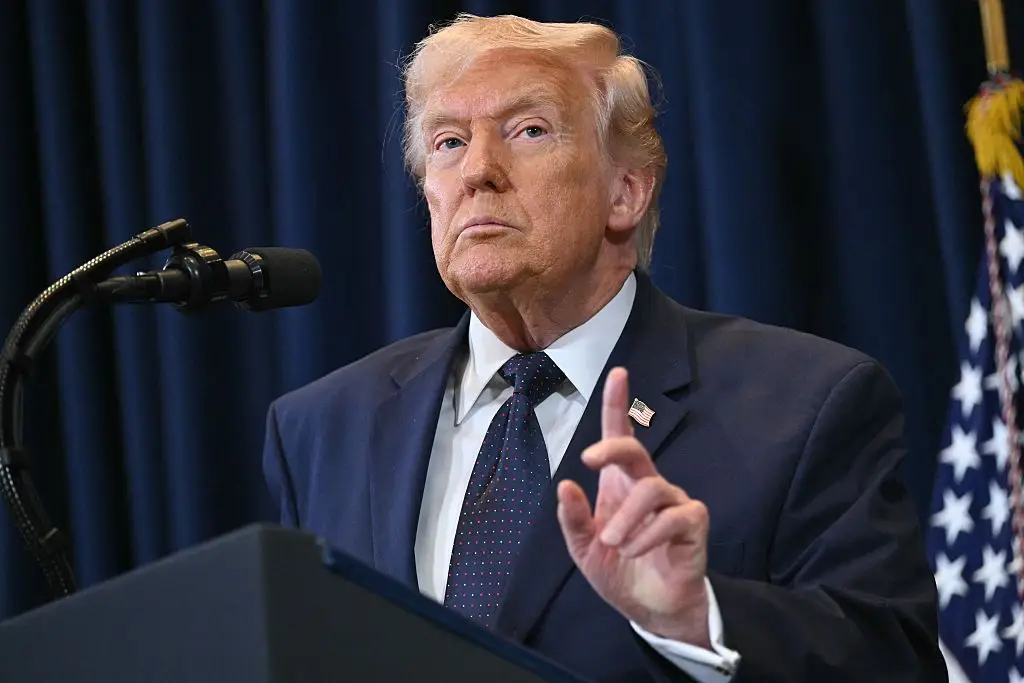
This comes after President Donald Trump announced earlier this month that he has plans to completely destroy Iran’s nuclear programme along with its missile capabilities and navy.
The president went on to share that he aims to ensure that Iran ‘cannot continue to arm, fund and direct terrorist armies outside of their borders’.
Trump also stated that the US has assumed ‘major combat operations’ against Iran.
Advert
Both the US and Israel continue their air strikes on Iran and fears are growing that this conflict could escalate to a full-blown world war.
Right now, it’s not clear where this conflict will head but we asked AI what the ‘worst case scenario’ of the war could be and it gave detailed insight.
First up, the AI bot (ChatGPT) warned that the current conflict could escalate to a full regional war over a prolonged period of time.
It explained: “Instead of a quick decapitation strike with limited blows and a return to diplomacy, the worst case is that the war expands far beyond Iran and the US into a multi-front regional conflict.”
This would directly impact several areas including in Lebanon, Iraq, Yemen, Syria and the Gulf.
It also has the potential to cause energy and economic disruption on a global scale, especially if Iran effectively closes the Strait of Hormuz for a long period of time.
This could lead to a whopping 20% of the planet’s supply of oil being ‘choked off, pushing prices far higher and harming the global economy’.
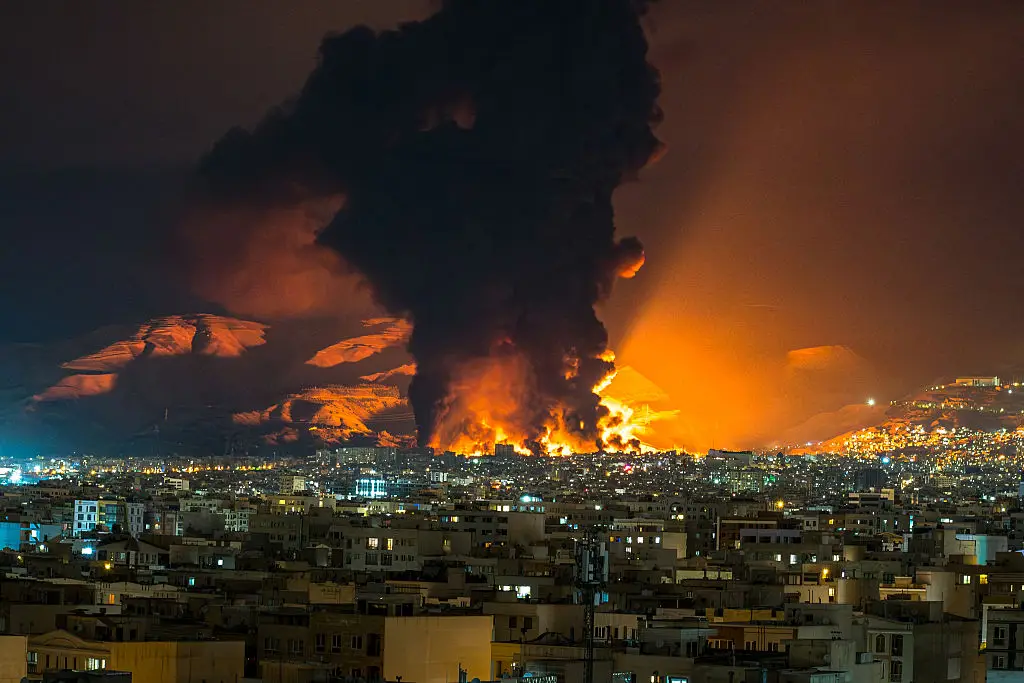
The AI continued: “High energy prices plus supply chain disruption could trigger inflation and slow growth - a stagflationary environment similar to the 1970s.
“Global markets and trade: Shipping, insurance, and commodity markets could see prolonged volatility and risk premiums. If unchecked, these effects could endure beyond the conflict itself.”
Of course, a major public fear is the risk that nuclear weapons could get involved, which the AI addresses, suggesting that a longer war could push Iran to ‘speed up’ its nuclear advancement as a deterrent.
This concern is largely down to analysts suggesting that ‘leaving Iran’s nuclear stockpile intact - even after strikes - could empower Tehran to pursue nuclear capability with greater urgency, especially under unstable leadership’.
A nuclear-armed Iran would certainly shift regional security dynamics on a drastic scale and could prompt a new arms race.
Trump has admitted that talks with Iran are possible, although peace discussions are yet to be put on the table.