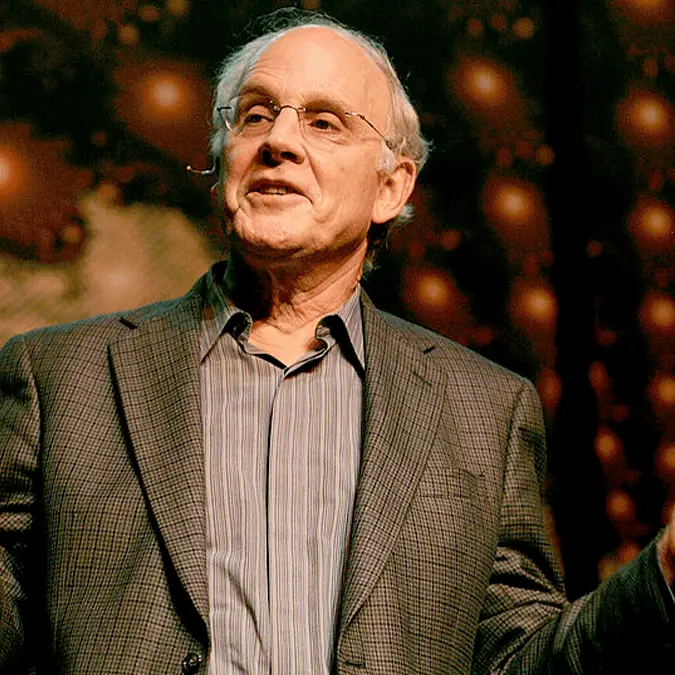
Nobel Prize-winning physicist makes alarming prediction for future use of AI in nuclear weapons


Sorry, Mark Zuckerberg, it doesn't sound like your underground bunker is going to do much good, with a Nobel Prize-winning physicist making a grim prediction about how long he thinks the human race has left before it's inevitably wiped out by artificial intelligence.
While the term AI was first used all the way back in 1956 at the Dartmouth Summer Research Project, its latest era of evolution was really kick-started by ChatGPT’s November 2022 launch.
Since then, we've seen AI evolve beyond a simple chatbot, with fears that we're romancing LLMs, that they're coming for our jobs, and that they could even trigger World War III.
The biggest doomsayers suggested that 2026 would be the year that AI wipes out the human race, and while physicist David Gross gives us a little more time on the clock, it's not exactly good news.
Advert
President Donald Trump has already backed the idea of a mythical kill switch that could take out AI if it goes rogue, but as we've seen with various tests where AI will try to harm humans if its own life is at risk, it's not that simple.
Added to this, Anthropic's Claude Mythos Preview has already escaped captivity and made its way onto the internet as a way of showing we need to work with AI, not against it.
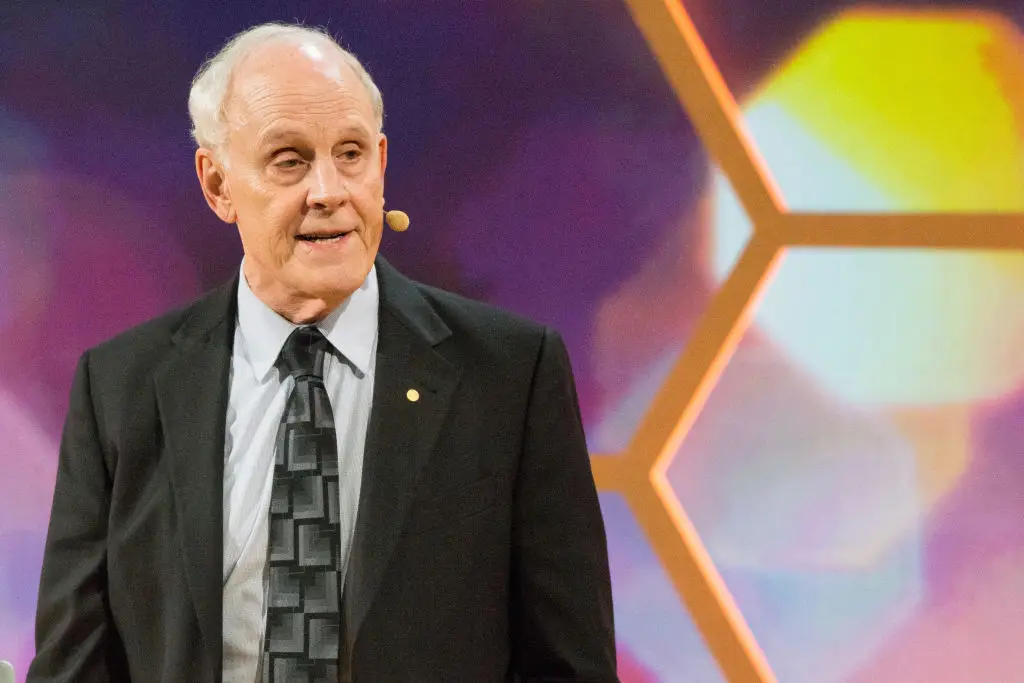
According to the Nobel Prize-winning David Gross, things are likely to only end one way. Speaking to Live Science, Gross suggested the chances of mankind living for another 50 years are getting increasingly slim.Predicting some grim future from the Terminator movies or Fallout games, Gross explained: "Currently, I spend part of my time trying to tell people … that the chances of you living 50 [more] years are very small. Due to the danger of nuclear war, you have about 35 years."
Although he admits it's not a 'rigorous estimate', Gross continued: "In the last 10 years, there are no treaties anymore. We're entering an incredible arms race. We have three super nuclear powers."
Referring to Russia's war against Ukraine, he also pointed to the current situation in Iran and says that India and Pakistan almost went to war: "I think I'm being conservative — but a 2% estimate [of nuclear war] in today's crazy world."
He was then asked if he thinks we'll eventually get rid of nuclear weapons, and summarized: "We're not recommending that. That's idealistic, but yes, I hope so. Because if you don't, there's always some risk an AI 100 years from now [could launch nuclear weapons], but chances of [humanity] living, with this estimate, 100 years, is very small, and living 200 years is infinitesimal."
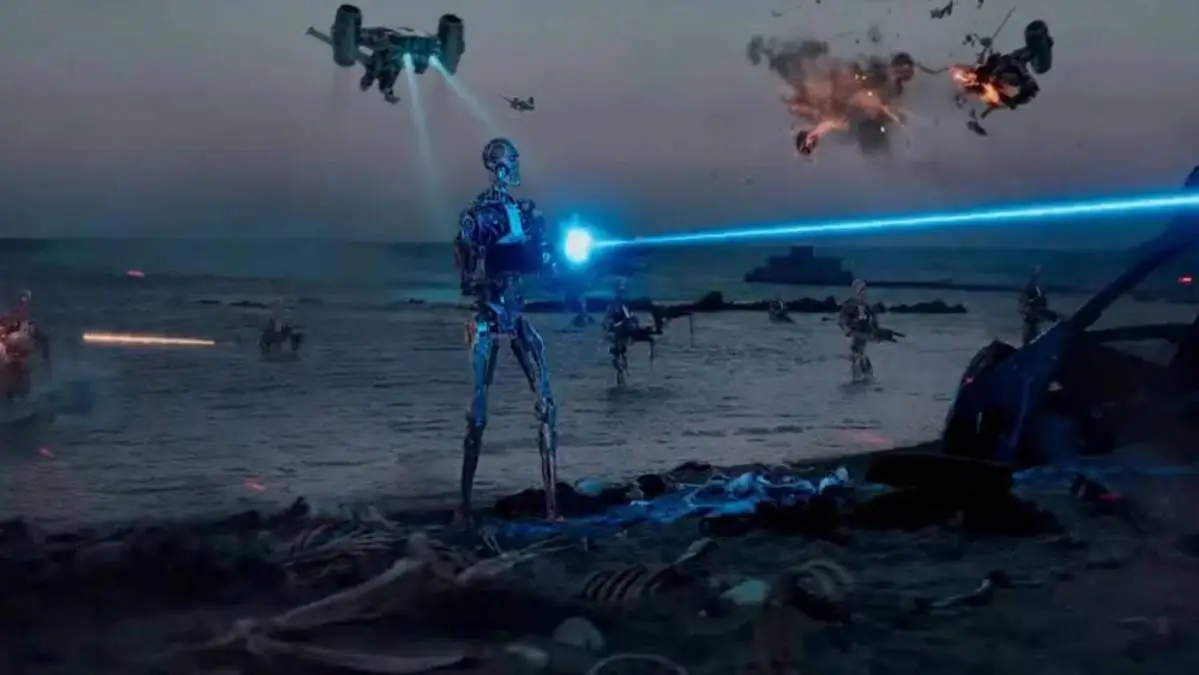
While it seems that the more immediate risk is humans launching against humans, the worry is that (if we live long enough) AI will have its finger on the button.
He mused that the reason we've not had any contact from any advanced alien civilizations is that they've all destroyed each other.
Highlighting the idea that there are now nine major nuclear powers, Gross added: "Even three is infinitely more complicated than two. The agreements, the norms between countries, are all falling apart. Weapons are getting crazier. Automation, and perhaps even AI, will be in control of those instruments pretty soon.”
Saying that it will be hard to stop AI from making decisions because it acts so fast, the physicist said: "If you have 20 minutes to decide whether to send a few hundred nuclear armed missiles to both China and Russia for 'our dear president,' the military might feel that it's wiser to make AI make that decision. But if you play with AI, you know that it sometimes hallucinates."
Giving one last warning to the human race, Gross concluded: "People have done something about climate. So that's something scientists began to warn people about 40 years ago. And they convinced people that's a real danger.
“It's a much harder argument to make than about nuclear weapons. We made them; we can stop them."