Featured Image Credit: Patrick T. Fallon/AFP via Getty Images
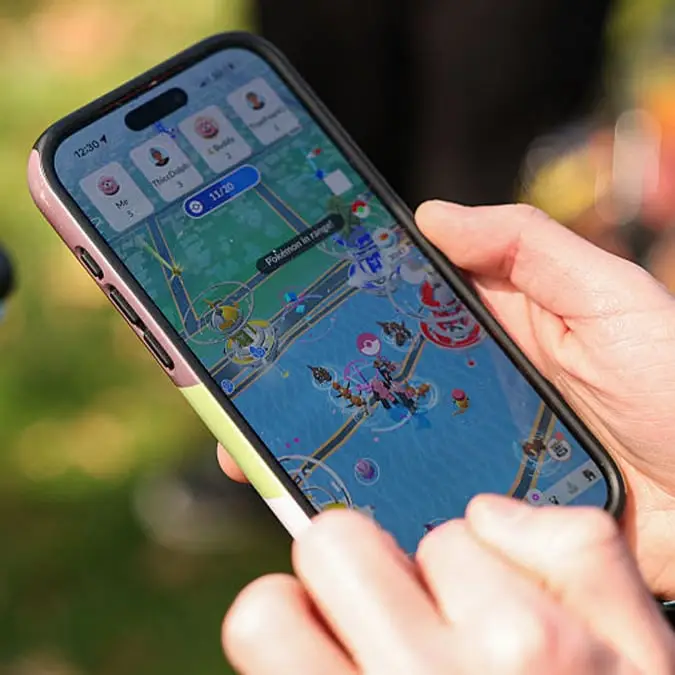
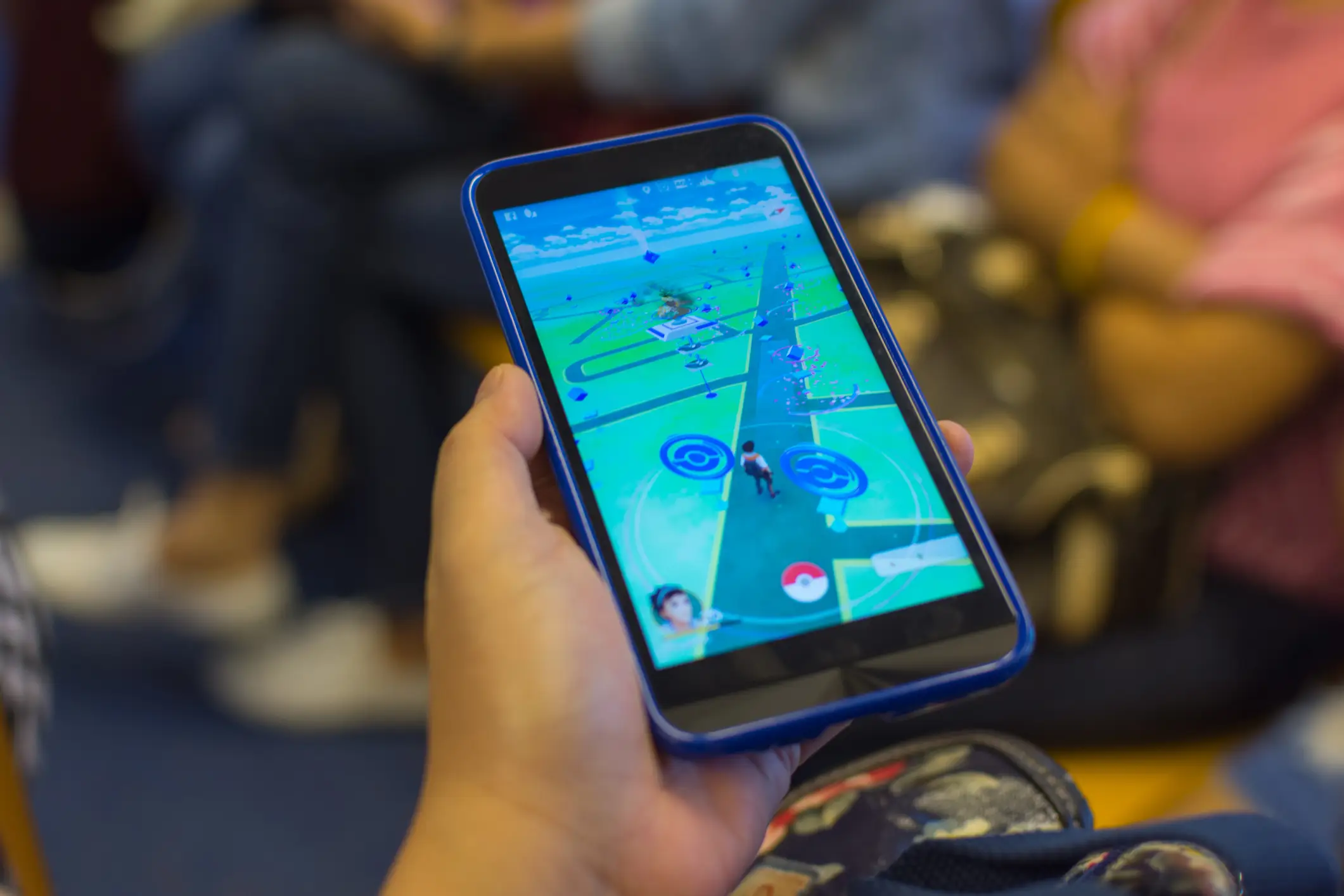
The phone game has millions of people every month exploring the real world to collect rare Pokémons, hunt down PokéStops and battle it out.
However, almost a decade after the augmented reality game took over the globe, reports have now revealed that data collected through the game has helped to train advanced AI systems capable of mapping and understanding real-world environments.
Those same systems are now being used to support navigation technology for delivery robots and could potentially play a role in future military applications.
Advert
This tech comes from Niantic Spatial, which is a company that emerged from Pokémon Go creator Niantic last year.
Before spinning off into its own business, Niantic had already outlined plans to build what it described as a large-scale geospatial AI model using the data that had been gathered from players.
Over the years, players have been encouraged to scan landmarks, monuments and points of interest as part of the gameplay features and, according to the company, this information has helped to train AI systems.
As reported by Ars Technica, a spokesperson for Niantic Spatial said: “Ground scans were one component to help train Niantic Spatial’s real-world foundation models - AI systems that learn to recognize and interpret physical spaces. The models are the product of that training, not a copy of or a means of accessing the underlying scans, which were of public points of interest such as statues and fountains.”
This has prompted a response from many people online, with users taking to social media to share their own reactions to the news.
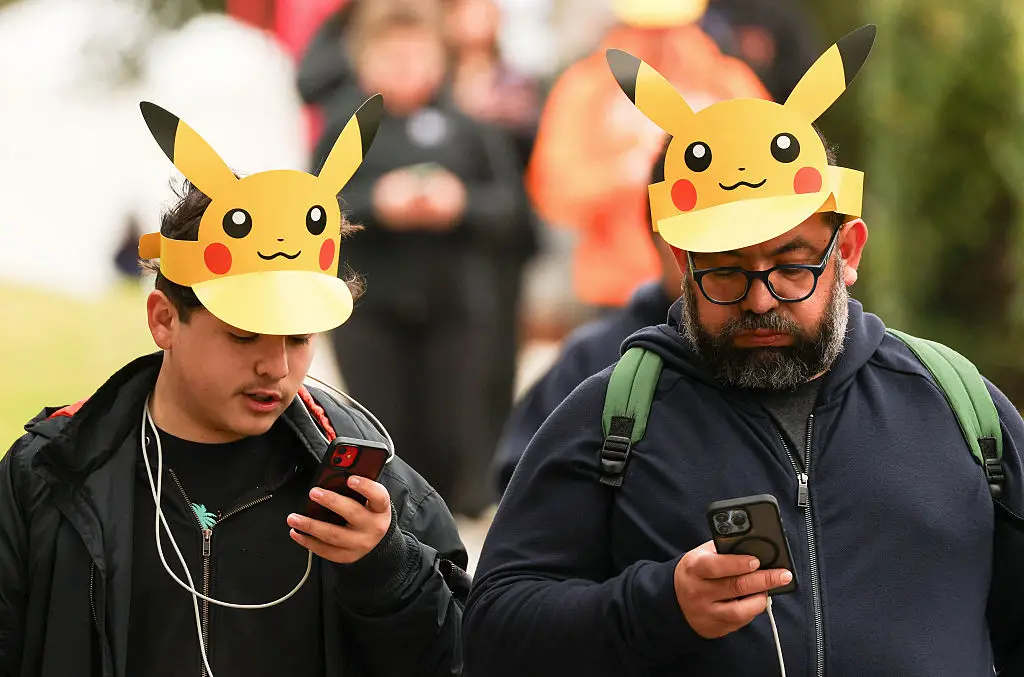
On Reddit, one person said: “We should all know that when software is free, your data is collected to produce profits.”
Another wrote: “yea thats why the game is free and intentionally wants you to go out and more and more features and events are location based or trying to make you go outside. It always was Niantics main drive to make people go out to sell the data to big corpo and they werent shy about making that clear.”
A third commented: “But of course it is. It's an app designed to track you. I'm genuinely flabbergasted at how people are only just now waking up to this.”
And a fourth user added: “Government workers downloaded PokemonGo onto their work phones, which helped to map a building that wasnt supposed to be mapped. People are dumb.”