Pokemon Go users were unknowingly training up AI robots to navigate the world


Back in 2016, Pokémon Go convinced millions of people to leave their homes and explore the world around them using their smartphones.
The game, developed by Nicantic Spatial, became an instant cultural phenomenon, turning parks and landmarks into digital playgrounds where Pikachus and Charizards could be discovered and captured.
Nearly a decade later, Pokémon Go continues to thrive with five to nine million monthly players and over 15 million reviews on Google.
One of its recent updates caused a shockwave on Reddit threads when users discovered the removal of a PokéStop from Epstein Island, prompting many to wonder why it was there in the first place.
Advert
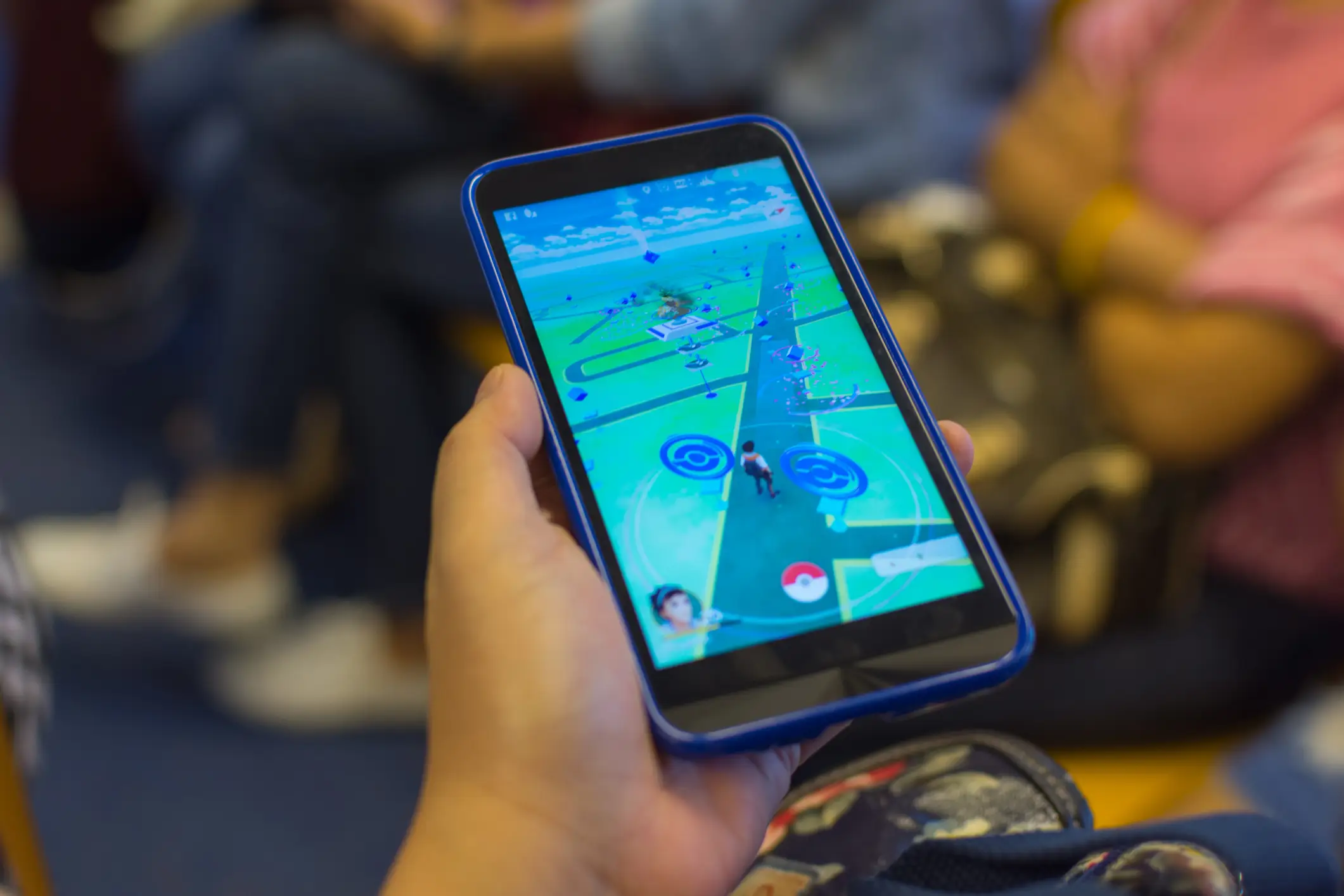
But, as it turns out, all those hours spent hunting virtual creatures have been serving a much larger purpose that players never realised.
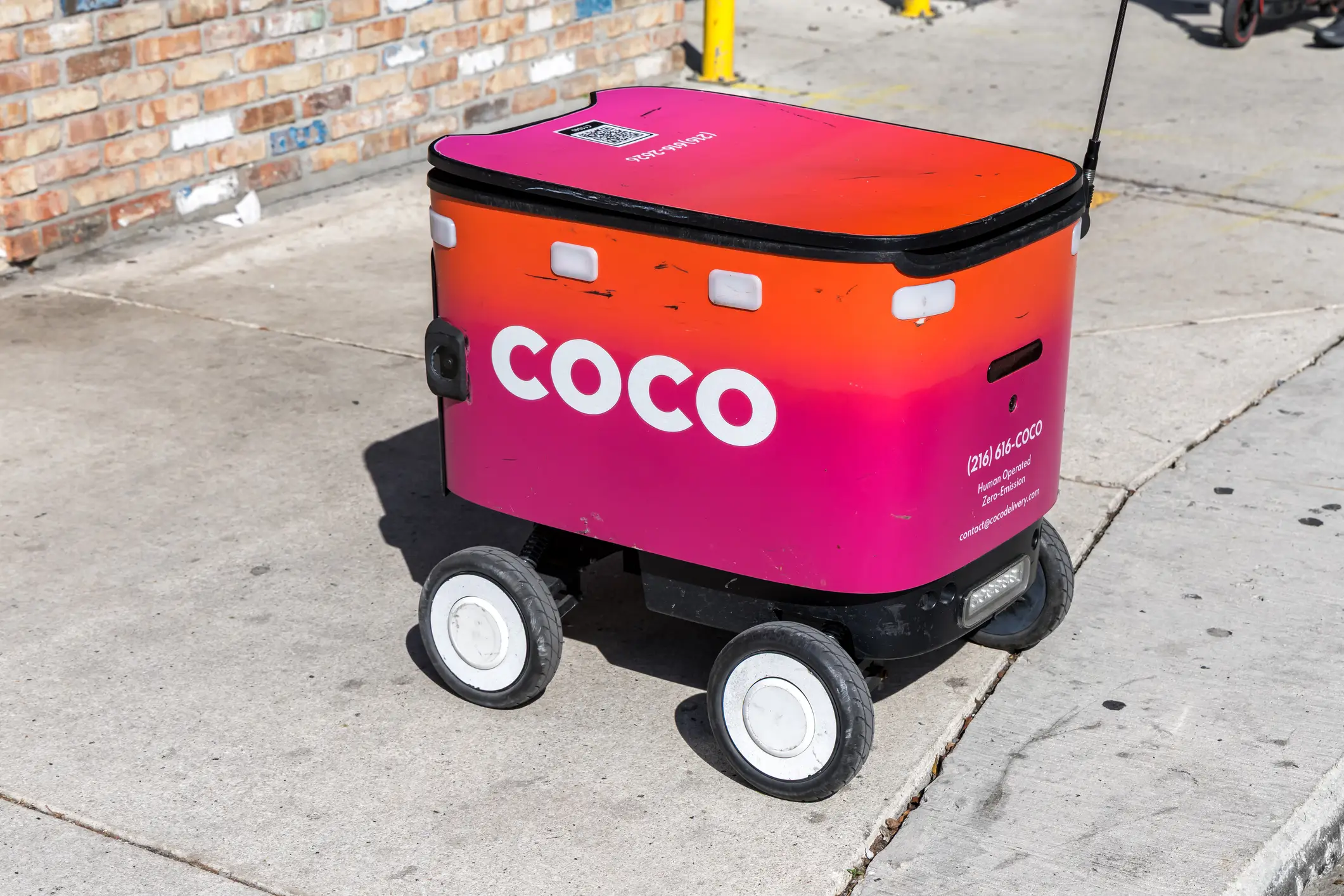
Coco Robotics is one of the companies behind the future of autonomy by developing short-distance delivery robots for food and groceries. The futuristic AI helpers are built to carry up to eight extra-large pizzas or four grocery bags and have made more than half a million deliveries to date, CEO Zach Rash reported.
Now, since partnering with Nicantic, the robotics company has been able to improve how its robots navigate the world. The robots use Niantic’s Visual Positioning System (VPS), a navigation tool that can pinpoint locations within centimetres by analysing nearby buildings and landmarks. According to Nicantic, the tech will help robots navigate areas where GPS is unreliable.
Given Pokémon Go's extremely large user base, Nicantic has logged more than 30 billion images to train its VPS model.
“It turns out that getting Pikachu to realistically run around and getting Coco’s robot to safely and accurately move through the world is actually the same problem,” Niantic Spatial CEO John Hanke said in a recent interview with MIT Technology Review.
Unlike GPS, VPS determines location based on surroundings, which was a core feature of the app.
The data was relatively easy to capture after the game introduced Pokémon battle arenas and Field Research, which allowed players to photograph real-world statues and landmarks in exchange for in-game rewards.
Unbeknownst to many users, the camera scans were building detailed 3D maps of real-world environments that would ultimately power Niantic's navigation system.
Niantic and Coco are betting that the VPS system will enable delivery robots to pinpoint their exact location just by analysing nearby landmarks.
“The promise of last-mile robotics is immense, but the reality of navigating chaotic city streets is one of the hardest engineering challenges,” Hanke said in a statement.
In built-up areas, sometimes buildings can block transmissions, causing location indicators on digital maps to shift unpredictably. However, Coco's robots will use four cameras and a VPS to obtain a more accurate reading of their surroundings. And hopefully, users can expect their deliveries to be on time consistently.