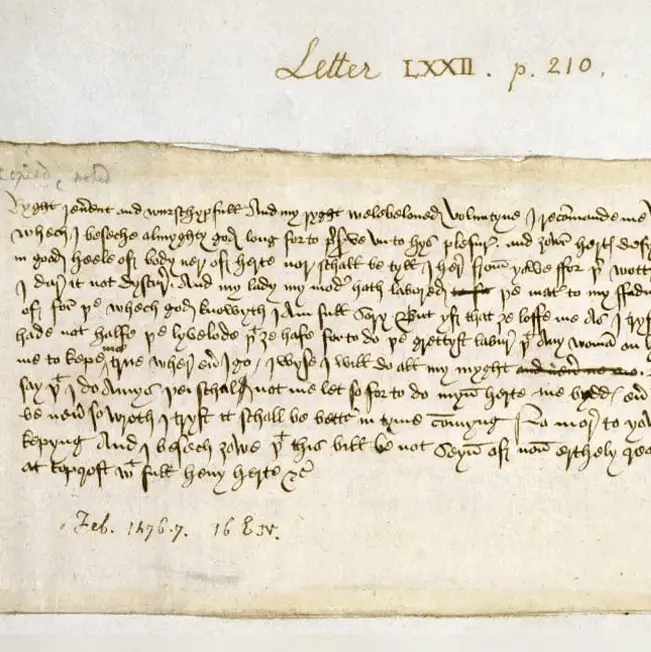
World's oldest known love letter decoded after 500 years thanks to astonishing AI technology


Artificial intelligence has already reshaped the way we work, communicate, and ultimately make our daily lives easier.
But beyond its modern-day applications, the technology is also proving to be a remarkable tool for unlocking the past.
Historians have long been piecing together what life looked like in late medieval England, including the complex and often deeply personal world of arranged marriages.
Now, a handwritten letter dating back to 1477 has offered an extraordinary window into that world.
Advert
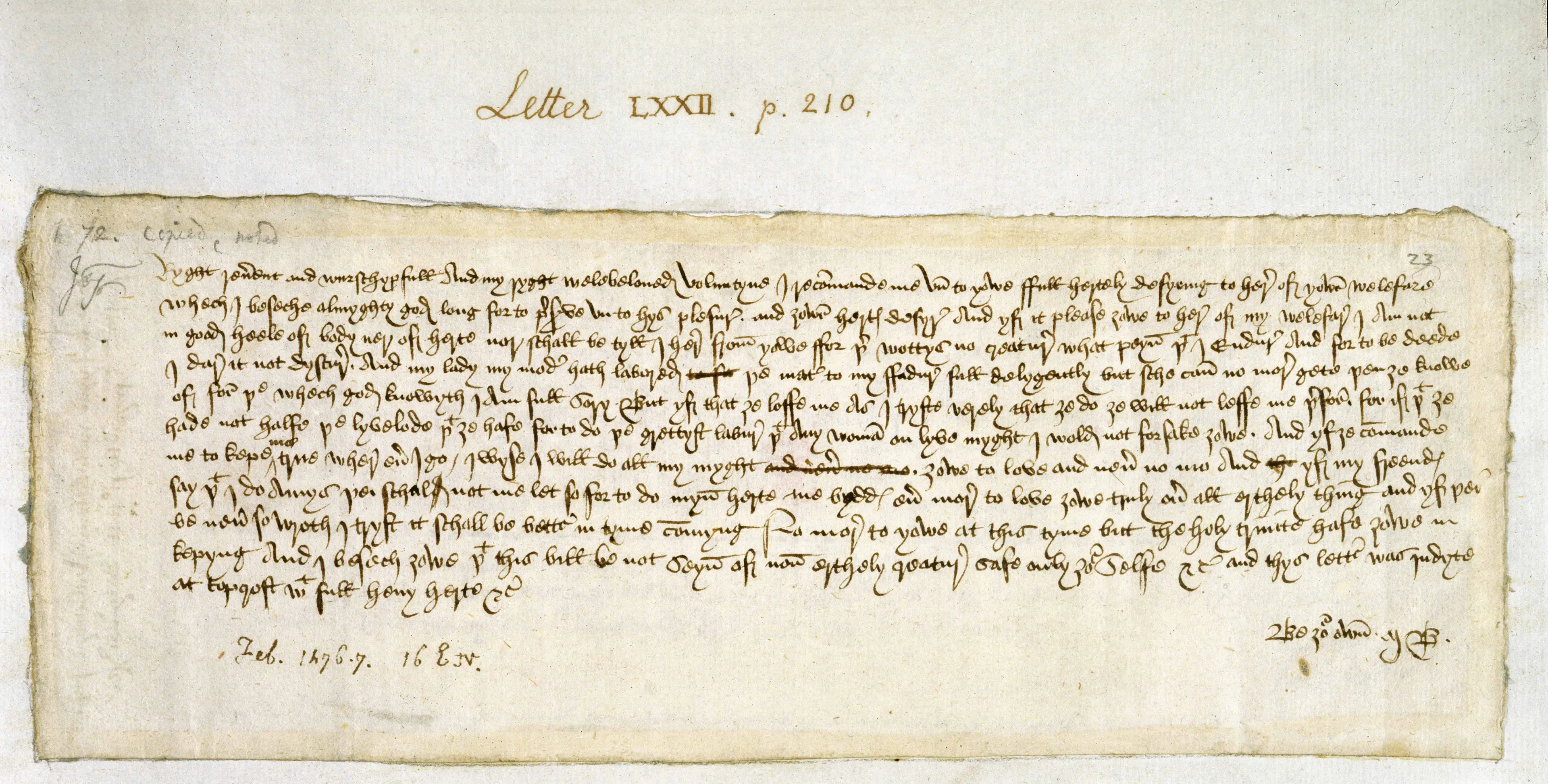
The letter, written by Margery Brews to her fiancé John Paston III, tells the ancient dilemma of choosing between pure love and the family pressures that threaten to override it.
Margery's father had refused to increase her dowry, putting the couple's plans to marry in serious jeopardy. Yet despite that uncertainty, Margery made her feelings clear, declaring that she would marry John even if he had 'half the livelihood' he did.
"The 15th-century message reveals a surprisingly modern dilemma: love vs finances," the report noted.
The letter is now regarded as the earliest love letter written in the English language.
But what makes this discovery so unique is that historians may not have deciphered this as rapidly or accurately had it not been for AI. The letter was reportedly written in Topcroft, England and decoded using ScribeAI, a tool developed by global family history platform MyHeritage.
Designed to transcribe, translate, analyse, and explain historical documents and photographs, ScribeAI can process material that would have previously taken researchers years or even decades to uncover manually.
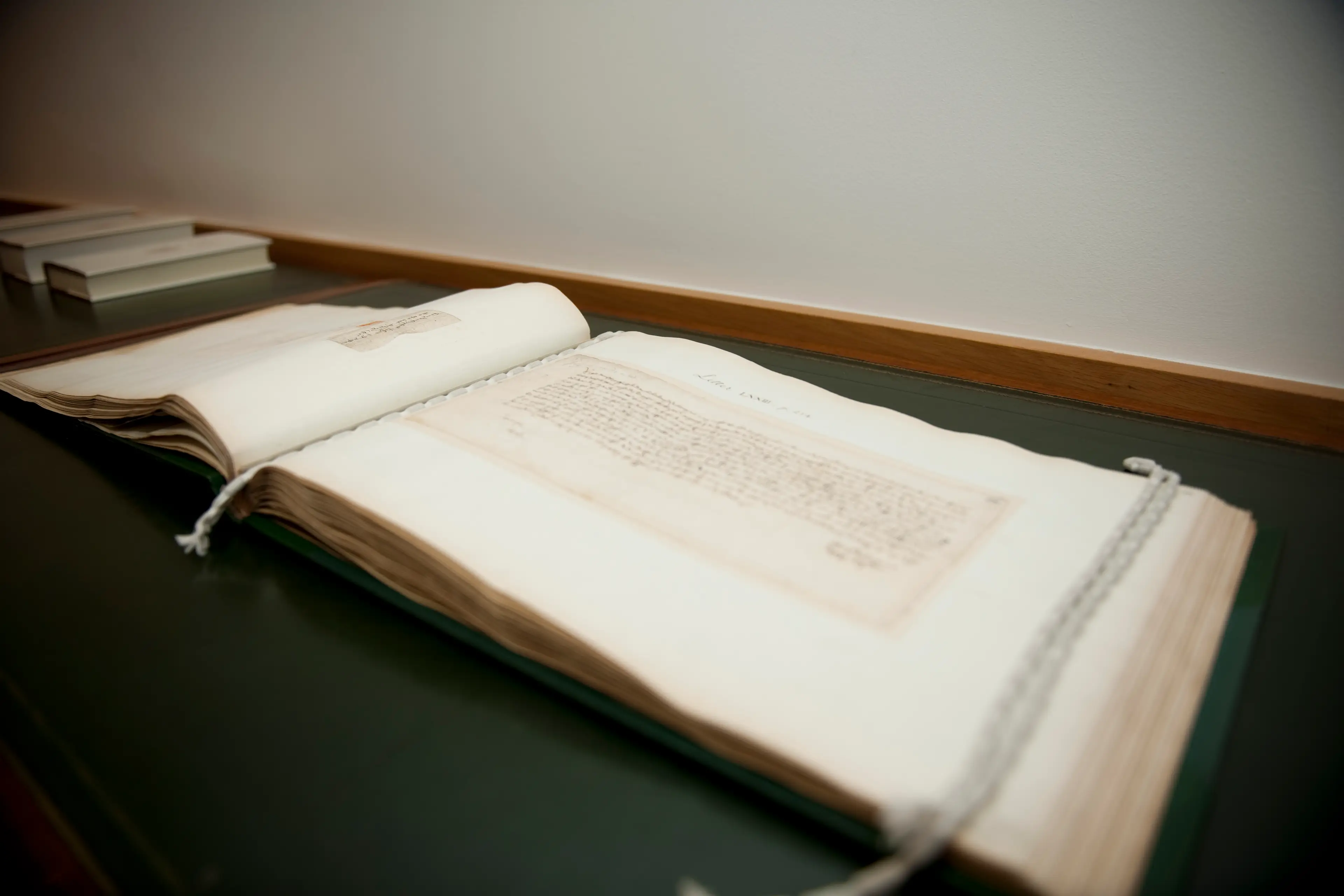
ScribeAI also reveals that Margery refers to John as her 'beloved Valentine' and asks him to keep the letter a secret between them.
The letter forms part of the famous 'Paston Letters' collection, which is an archive of correspondence and documents connected to the Paston noble family of 15th-century England.
The archive offers one of the most detailed records available of everyday life in England during the Wars of the Roses between 1455 and 1487, and into the early Tudor period that followed.
According to This is Paston, a website specialising in the history of the Paston family: "In truth, the collection might better be referred to as the Paston Archive, as the medieval section contains many more types of document than just letters - though it is the letters that give us insight into the daily life and troubles of an ambitious family."