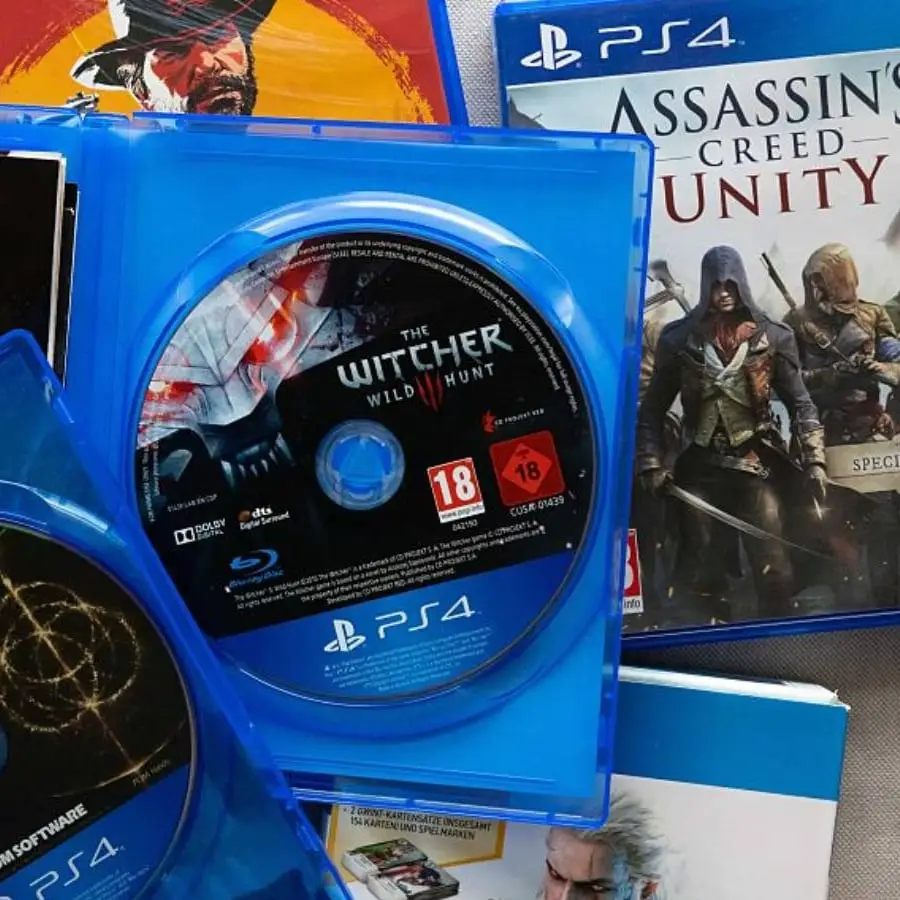
Former PlayStation boss admits the real reason digital games aren’t cheaper than discs


Just when we thought the console wars had died down and everyone was able to enjoy video games like they're supposed to, Sony and Microsoft decided to see who could become the most disliked gaming giant among fandoms.
Away from rumors that new Xbox boss Asha Sharma was about to cull a ton of Xbox studios (spoiler: it happened), Sony made a controversial announcement that it was stopping the production of physical discs in January 2028.
Amid complaints that we're effectively renting video games until licenses inevitably expire, the gaming industry continues to be called out as we move toward a digital-only future. Although there are petitions with over 300,000 signatures calling for Sony to reverse its decision, it looks like there's no going back.
The Blue Team has already repurposed one former disc factory for new purposes, and while you might think the company's stock would've taken a hit in the aftermath, it actually bounced up as investors saw the benefits of cutting costs by not creating physical games.
Advert

As Sony tries to trim the fat, one gaming veteran has surprisingly suggested that digital games aren't the money-saving solution they're billed as.
Speaking to Insider Gaming, Sony Interactive Entertainment veteran Gordon Thornton gave some fascinating insight into how things work, claiming that digital games aren't necessarily cheaper than physical discs.
Having worked for Sony from 2005 to 2022, Thornton was said to be influential in growing PlayStation's digital arm and helping the PS Store rake in $14 billion a year in global revenue.
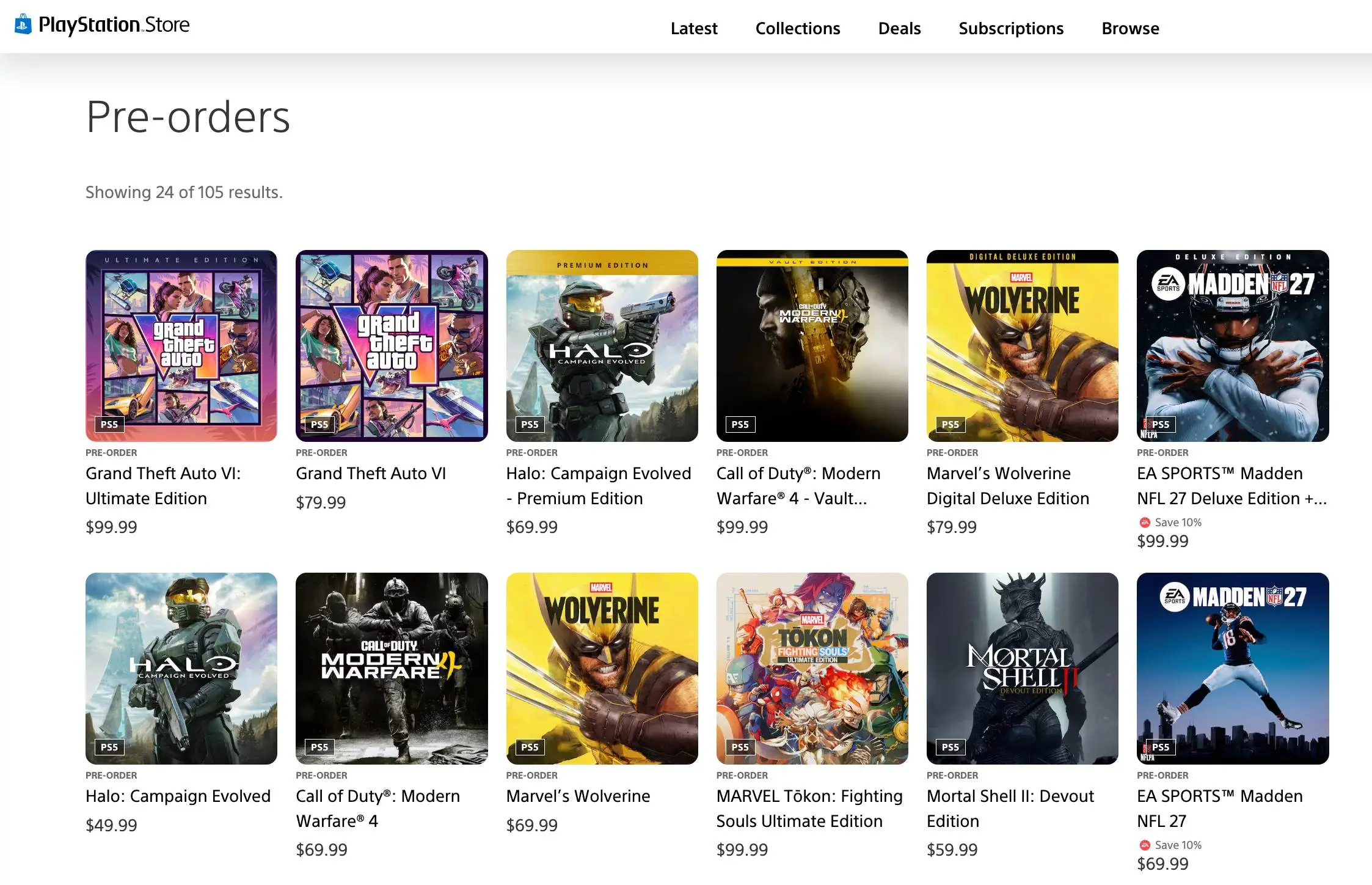
If anyone knows about the digital scene, it's Thornton, telling the outlet that allegations the PS Store overcharges are down to publishers setting a price, as he explained: "PlayStation operates on a buy/sell model where the publisher acts as the supplier."
Looping back to the idea that digital is 'cheaper', Thornton continued: "Publishers have never desired to run channel-centric pricing. In the US, pricing is harmonized and this helps set the global pricing via foreign exchange and market pricing."
As we just covered with one gamer who claimed Microsoft managed to wipe out their entire collection due to a compromised account, there are serious concerns about this shift into a digital realm. There are further complaints that Sony could remove your library of games if it becomes inactive for a certain period of time.
Thornton maintains that the industry isn't incentivized to work on a cost-plus model where a title's price is based on how much it's cost ot produce: "It would prefer to maximize revenue however possible, such as embedding sustainable value loops directly within a game to strengthen its user lifetime value and average revenue per paying user.
"This extra revenue can then be used to help cover the increasing costs of game development instead, allowing the price of a game to remain fixed, regardless of whether it’s physical or digital."
He backed up the statistics that the PS Store already makes up between 80 and 85% of the company's market share, with physical releases only really being competition when a game releases.
For games older than 90 days, it's the PS Store that reigns supreme as we go to check out that title we likely saved for playing on a rainy day.
If the decision had been made purely on the basis that the benefit of making discs is outweighed by the lower price of digital releases, it might've sat better with gamers. Instead, Thornton's revelation is in danger of angering an already irate community even more.