Rocky Earth-like planet discovered 48-light years away could be closest to support 'alien' life


Space experts have yet to discover any forms of alien beings beyond our planet, yet one celestial body that operates eerily similar to Earth might just hold the secret to finding extraterrestrial life.
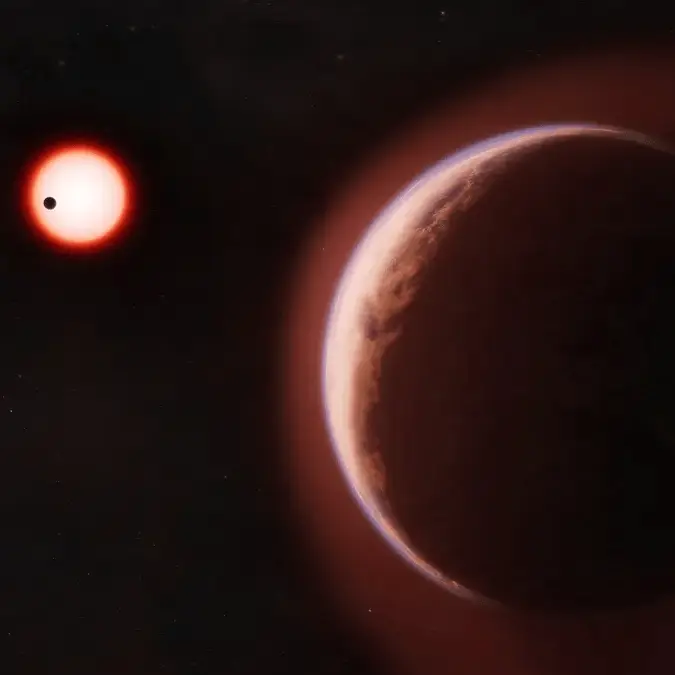
Named LHD 1140 b, this 'Super Earth' planet is located around 48 light-years away from our own, and while this rules it out as a potential habitation spot for humans – at least until we've revolutionized the technology behind space travel – it could unlock key secrets for alien enthusiasts.
It is likened to Earth due to its atmosphere, which makes it the first of its kind to have one that's detectable within the habitable zone, referring to the distance between the planet and its central star.
This causes liquid water to exist on the planet, opening up the potential for microorganisms to grow and survive on the planet, and while these aren't perhaps the traditional 'E.T.-esque' aliens that you might first imagine, their discovery would prove to be groundbreaking for scientists and space experts alike.
Advert
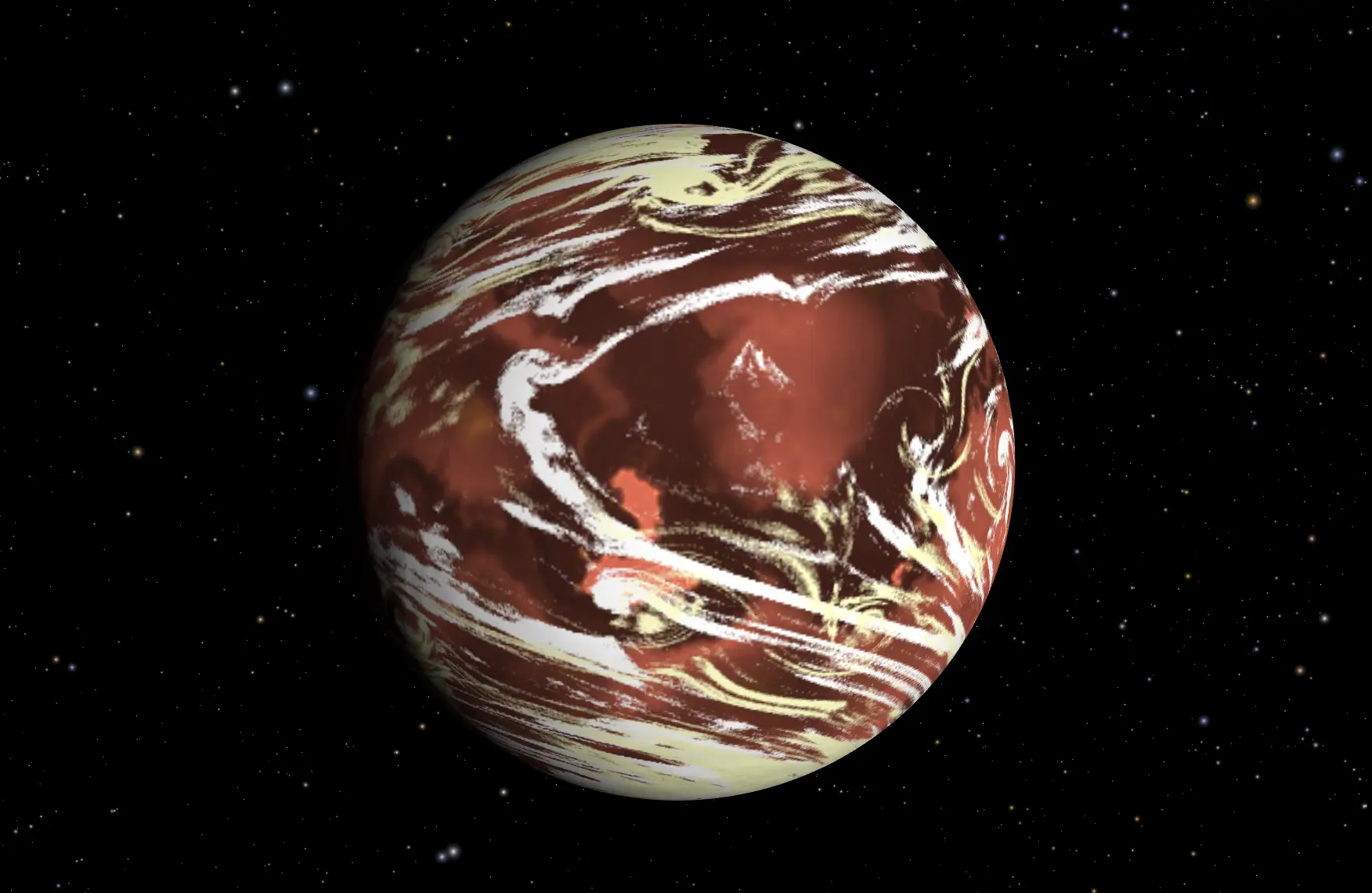
As reported by Space, this is the closest we've come to discovering a planet that's considered 'habitable', and while other similar Earth-like bodies have been spotted in closer proximity, this appears to hold the most promise despite its distance.
LHD 1140 b was first discovered back in 2017 by Jason Dittmann, and a new study co-authored by the astronomer and led by Collin Cherubim analyzes the potential for this planet to become a home for 'alien' life.
Cherubim called the find 'really exciting', noting that "there's this added bonus that it's in the habitable zone, which is super exciting for astrobiology and habitability and searching for life. It feels kind of surreal."
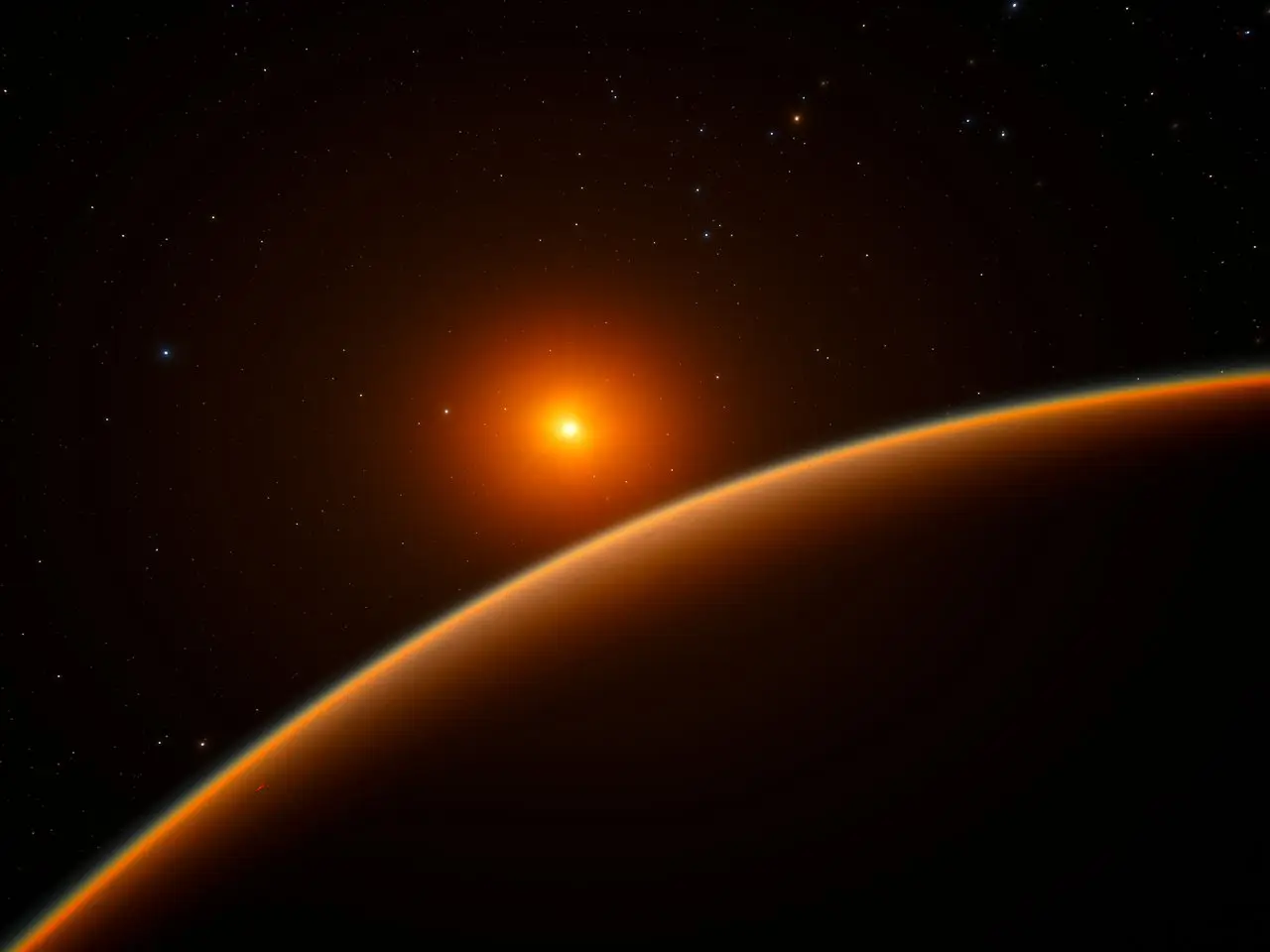
These feelings of anticipation were echoed by Dittman, who illustrated, when speaking to Space: "This planet was found like 10 years ago, and we're just now saying, okay, that's an atmosphere.
"We're slowly narrowing the gap and checking these boxes [...] we're finding a planet that's rocky, a planet that's of the right temperature and now [...] it's like okay, we finally found one that has an atmosphere."
It has been confirmed by the researchers that the atmosphere can provide a 'greenhouse effect' to the planet, allowing LHD 1140 b to support liquid water, which is a necessary function for life as we understand right now.
Recent discoveries in Antarctica have shown how life can have the potential to exist in some of the most extreme conditions, so that could also prove key to any further investigations into this planet, with the main challenge now getting a close look at the rocky surface 48 light-years away.